Posture is often perceived as a simple aesthetic detail - standing up straight, not stooping - when in fact it plays a fundamental role in our overall health. Poor posture can be the cause of numerous pains and functional disorders, sometimes at a distance from the area concerned. Conversely, balanced posture encourages the body to function properly, reduces mechanical stress and improves quality of life on a daily basis.
What is posture?
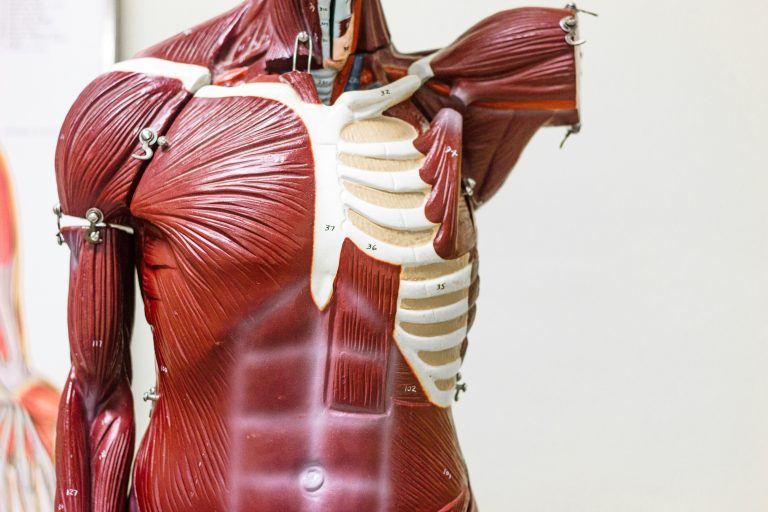
Posture is the way in which the body organises itself in space, both in a static position (sitting, standing) and in movement. It is the result of a balance between :
- the muscular system,
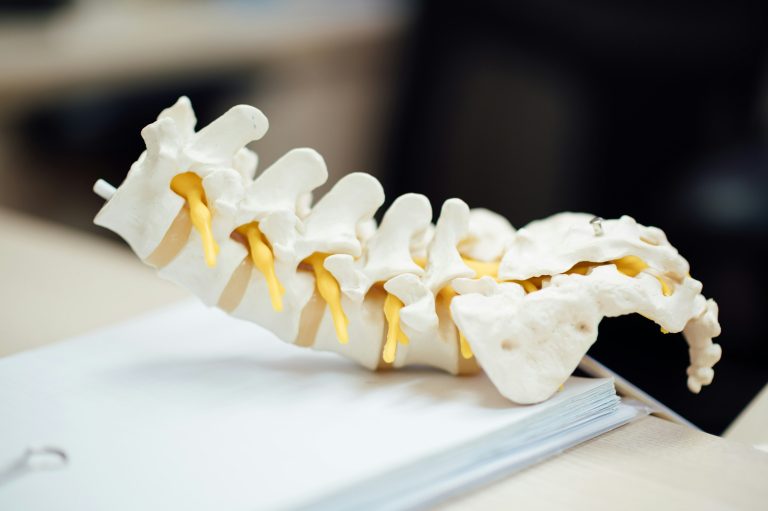
- joints,
- the nervous system,
- vision,
- dental occlusion,
- feet on the ground.
In other words, posture is a global and adaptive phenomenon. It constantly adjusts to our environment, our lifestyle, our stress levels and any pain we may be experiencing.
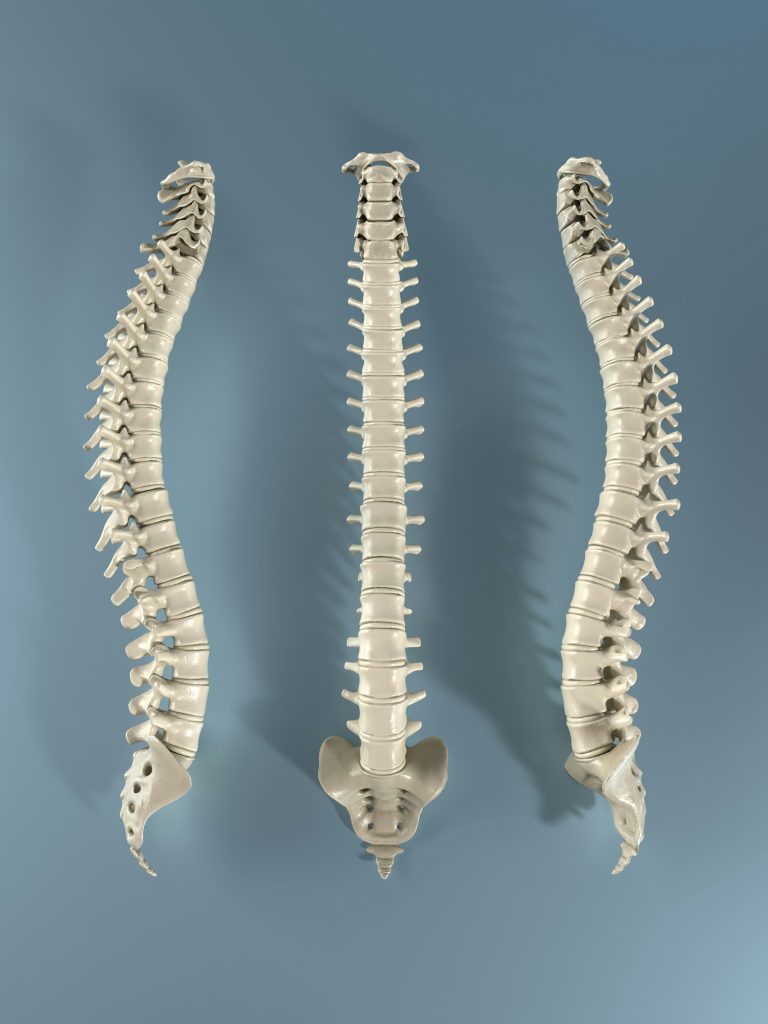
What are the causes of poor posture?
Poor posture is rarely caused by a single factor. It is more often the result of a combination of causes:
- Sedentary lifestyles and screen work (head thrown forward, rounded back)
- Stress chroniclewhich increases muscular tension
- Long-standing pain or poorly compensated injuries
- Muscle imbalances
- Foot problems (flat feet, hollow feet, instability)
- Jaw disorders (TMJ) or look
- Lack of appropriate physical activity
The body adapts to avoid pain or maintain balance, but these compensations end up creating other tensions.
What are the health consequences of poor posture?
The effects of an unbalanced posture can be numerous and sometimes insidious:
- pain cervicals, dorsal or lumbar
- headaches and migraines
- tension in the shoulders and neck
- chronic joint pain
- balance disorders
- excessive fatigue
- breathing problems (shallow breathing)
- functional digestive disorders
- increased risk of injury for athletes
Prolonged poor posture can also maintain a vicious circle of pain, tension and compensationmaking the symptoms chronic.
Why correcting your posture is essential in the long term
Improving your posture does not mean "forcing yourself to stand up straight". Rather, it means restore the body's natural ability to balancewith less effort and more fluidity.
There are many benefits to a better-adapted posture:
- less pain
- improved joint mobility
- more efficient breathing
- reduced fatigue
- prevention of recidivism
- improved physical performance and concentration

How can patients be helped to improve their posture?
Effective postural correction is based on multidisciplinary approachbecause posture involves the whole body.
The role of doctor
The doctor is often the first point of contact. It allows :
- rule out an underlying pathology,
- direct you to the right professionals,
- coordinate overall care.
The podiatrist's contribution
The feet are the basis of posture. The podiatrist assesses your footing, walking and balance. If necessary, he can suggest orthopaedic insoles to correct imbalances and reduce postural compensations.
La physiotherapy rehabilitation and movement
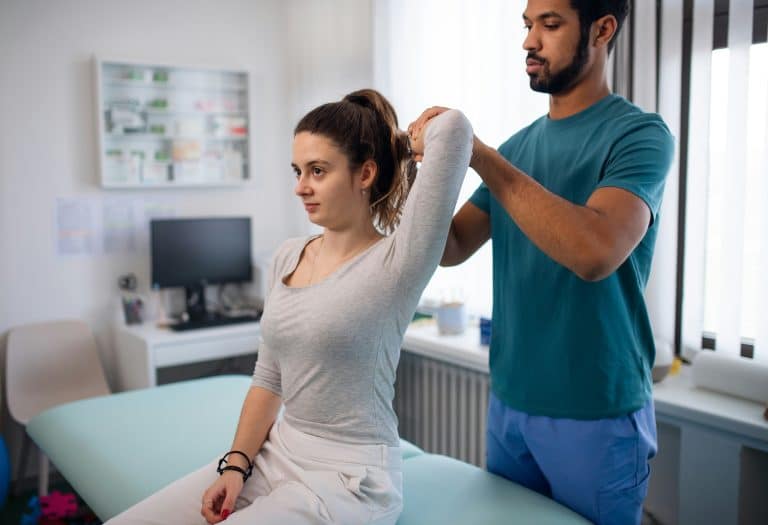
Le kinésithérapeute joue un rôle central dans la correction posturale. Il travaille sur :
- strengthening deep postural muscles,
- joint mobility,
- correcting motor patterns,
- learning how to do the right things every day.
Physiotherapy helps patients to take control of their posture.
Osteopathy A global vision
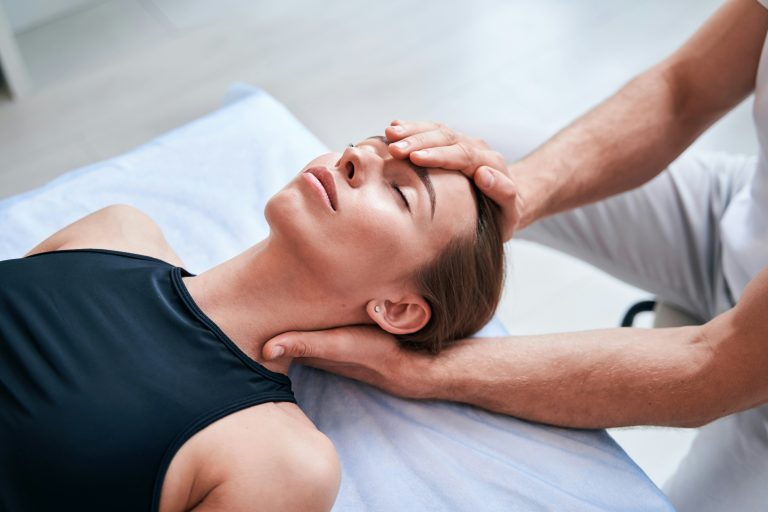
Osteopathy removes mobility restrictions that prevent the body from regulating itself. The osteopath assesses all the body's chains (spine, pelvis, diaphragm, jaw) in order to restore a more natural and balanced posture.
Can you improve your posture at any age?
Yes. Contrary to popular belief, it's never too late to improve your posture. The body retains a capacity to adapt throughout its life, provided it is supported correctly and progressively.
Conclusion: posture, an often underestimated pillar of health
La posture influence bien plus que l’apparence : elle conditionne le confort, la mobilité et le bien-être au quotidien. Une prise en charge globale, associant médecins, podologues, physiotherapists et ostéopathes, permet d’agir efficacement sur les causes profondes des déséquilibres posturaux.
Correcting your posture is a long-term investment in your health.