Introduction
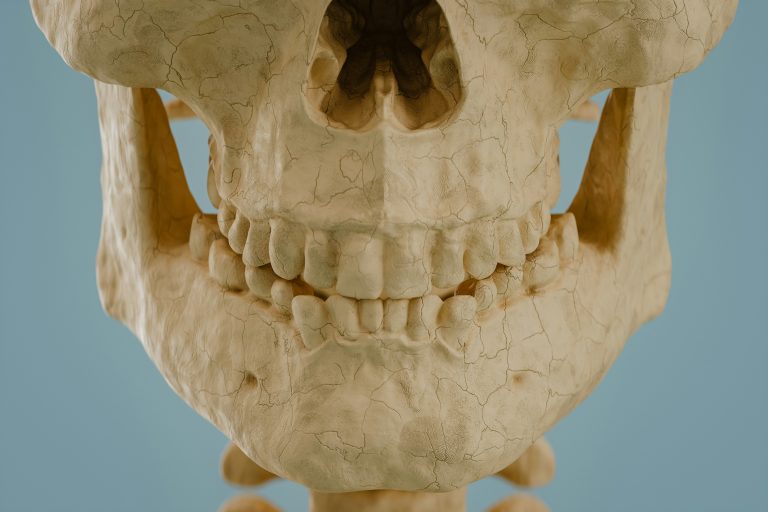
Every day, without even thinking about it, we speak, chew, gag or swallow thanks to a joint that is as discreet as it is essential: the temporomandibular joint, often abbreviated to TMJ. ATM. When it works well, it goes completely unnoticed. However, as soon as it becomes dysfunctional, it can become a source of widespread pain, sometimes difficult to identify, affecting the jaw, neck, head and even sleep. Understanding the role of TMJ, its disorders and how it can be treated is therefore fundamental.
What is the temporomandibular joint?
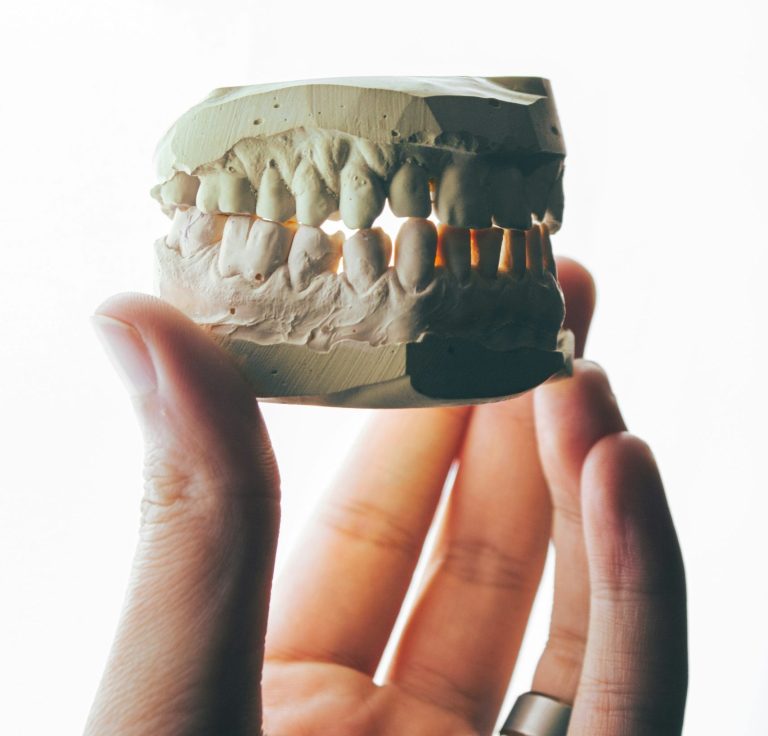
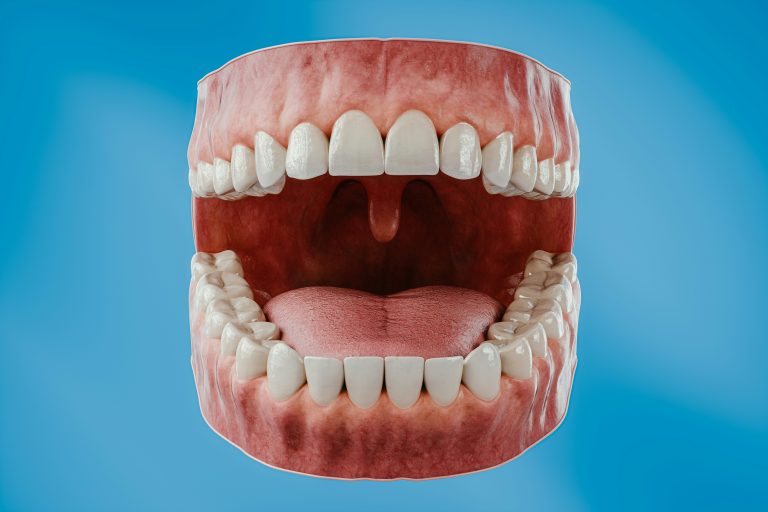
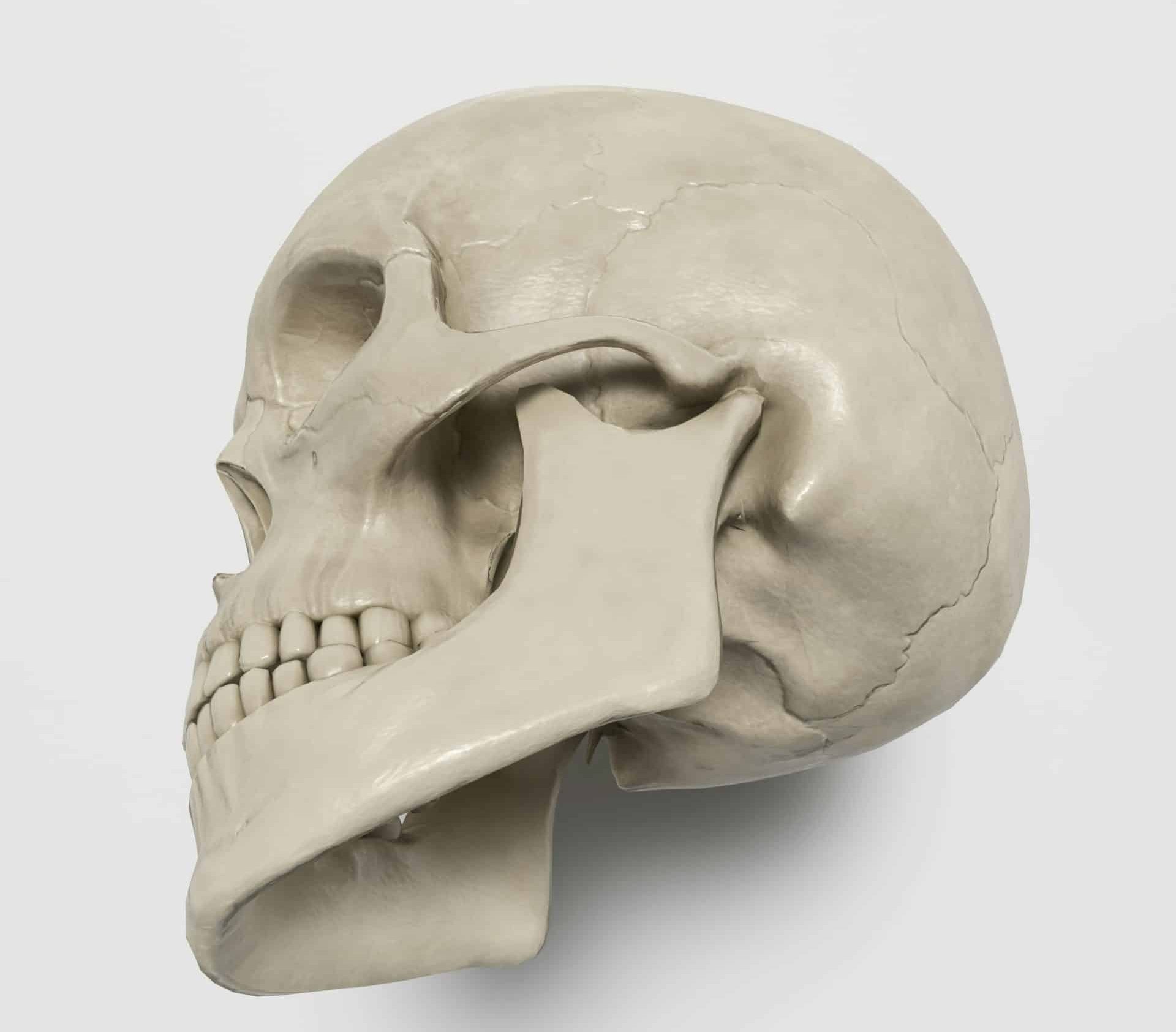
The temporomandibular joint is the joint that connects the lower jaw (mandible) to the temporal bone of the skull. Every person has two TMJs, one on each side of the face, which function in a coordinated manner.
It is a complex combination of :
- joint (rotation)
- sliding (translation)
- stabilised by muscles, ligaments and a joint disc
This complexity explains why it is particularly sensitive to imbalances.
What is ATM used for on a daily basis?
The TMJ is involved in a number of essential functions:
- chewing
- the word
- swallowing
- yawning
- breathing, particularly at night
Its proper functioning therefore determines not only the comfort of the jaw, but also the balance of the cervical and cranial posture.
What are TMJ problems and disorders?
Temporomandibular joint disorders are grouped together under the term TMJ dysfunction. They can manifest themselves in different ways, sometimes simultaneously.
The most common symptoms are
- pain in the jaw or in front of the ear
- cracking, popping or a feeling of being stuck
- limitation of mouth opening
- headaches or migraines
- associated neck or back pain
- bruxism (clenching or grinding of teeth)
- tiredness or tension on waking
These disorders can be mechanical, muscular, articular or linked to poor coordination between the different structures.

Why does ATM go wrong?
Several factors can upset the balance of the TMJ:
- the stress and emotional tensions
- inappropriate prolonged posture (screen work)
- problems with dental occlusion
- bruxism, often nocturnal
- trauma (shock, whiplash)
- dental or surgical procedures
TMJ is strongly influenced by the nervous system and the general state of tension in the body, which explains why disorders are often multifactorial.
Who can help treat TMJ disorders?
Treatment for TMJ disorders is usually multidisciplinary.
The professionals who may be involved are :
- the general practitionerto make an initial diagnosis
- the dentist or orthodontist, particularly in the event of a bite disorder
- the maxillo-facial physiotherapistspecialising in jaw rehabilitation
- the osteopathA global approach to tensions and imbalances
ATM physiotherapy plays a central role in functional rehabilitation: it aims to reduce pain, restore mobility and relearn harmonious jaw movements.
How do physiotherapy and osteopathy affect TMJ?
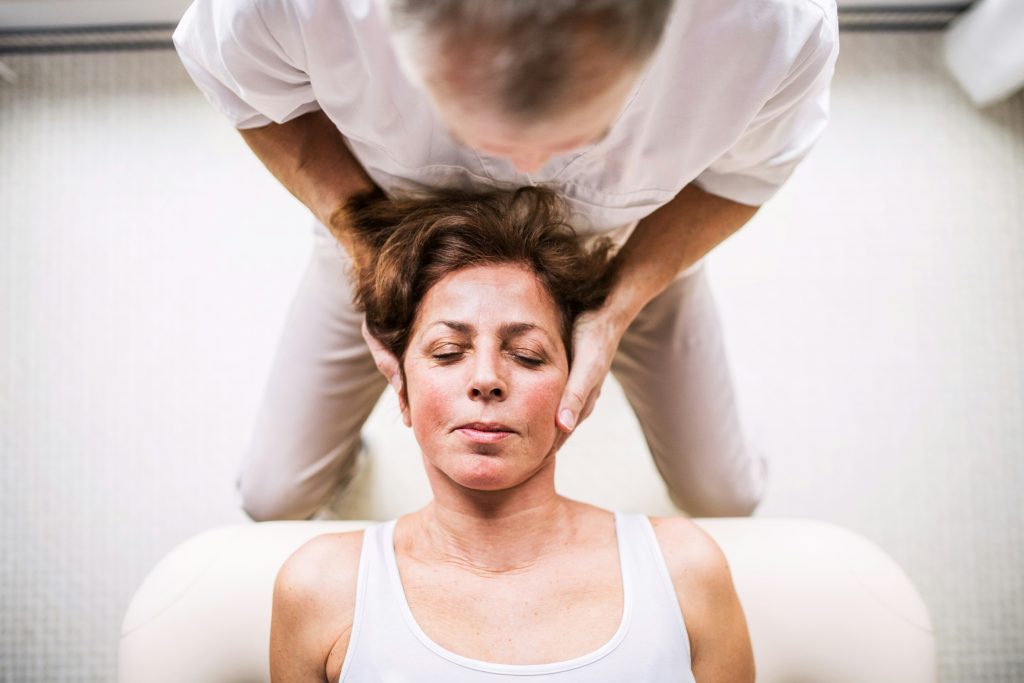
La maxillofacial physiotherapy aims to restore fluid, pain-free movement to the jaw. It uses precise manual techniques to relax the muscles, improve joint mobility and reduce pain. The work is often supplemented by specific coordination and motor control exercises, as well as posture and breathing. The aim is also to help the patient change certain habits that maintain stress on the TMJ.
Osteopathy completes this treatment by considering the temporomandibular joint as part of an overall system. It works on the cervical vertebrae, the base of the skull and deep muscle tensions, the osteopath seeks to reduce the stress on the jaw. This global approach is particularly relevant when the disorders are long-standing or associated with other musculoskeletal pain.
How do you look after your ATM on a daily basis?
Preserving the temporomandibular joint requires simple but essential gestures:
- avoid clenching your teeth during the day
- limit chewing gum and foods that are too hard
- adopt an appropriate working posture
- managing stress through relaxation techniques
- seek prompt medical advice if pain persists
Early treatment can often prevent symptoms from becoming chronic.
Preventing TMJ disorders
Prevention is based on greater body awareness and a global approach:
- listen for warning signals (pain, cracking)
- consult before blockages set in
- incorporate simple jaw relaxation exercises
- maintain a good balance between jaw, neck and posture
Conclusion
The temporomandibular joint is a key joint, at the crossroads of many vital functions. When it malfunctions, the repercussions can extend far beyond the jaw and affect overall quality of life. With the right treatment, including maxillofacial physiotherapy and osteopathy, it is possible to relieve pain, restore function and prevent recurrence. Understanding TMJ is the first step towards lasting well-being.