Introduction
Tinnitus is like a background noise that no one else hears: a whistling, buzzing or crackling sound that appears without warning and sometimes takes hold for a long time. For some, it remains discreet; for others, it becomes intrusive, disrupting sleep, concentration and quality of life. Understanding tinnitus is an essential step in regaining control and identifying appropriate, realistic and scientifically-based solutions.
What is tinnitus?
Tinnitus is the perception of a sound in the absence of an external sound source. It can be perceived :
- in one ear only
- in both ears
- or as coming from inside the head
The main distinctions are
- subjective tinnitusthe most frequent, linked to the functioning of the inner ear and the nervous system
- objective tinnitusmuch rarer, generally associated with vascular or muscular phenomena
Tinnitus is not a disease in itself, but it is a symptom of the disease. symptom of an imbalance auditory, neurological or musculoskeletal.

What causes tinnitus?
The causes are often multiple and may combine. Among the most common are :
- repeated exposure to noise (concerts, headphones, work environment)
- ageing of the inner ear
- even slight hearing loss
- central nervous system dysfunction
In addition to these causes, there are mechanical factors which are often underestimated:
- neck strain persistent
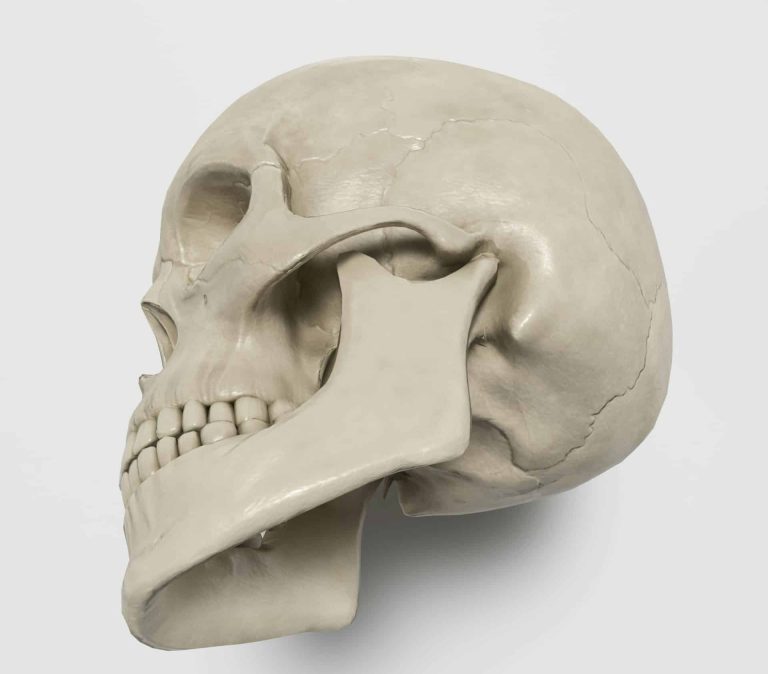
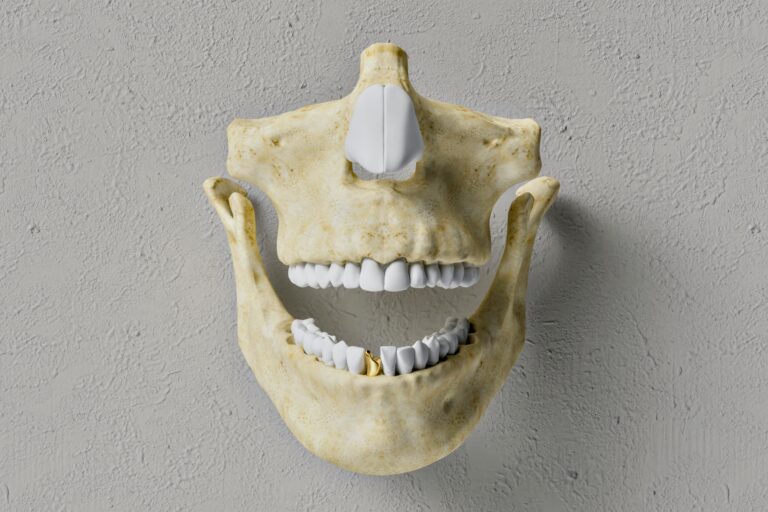
- disorderstemporomandibular joint (ATM)
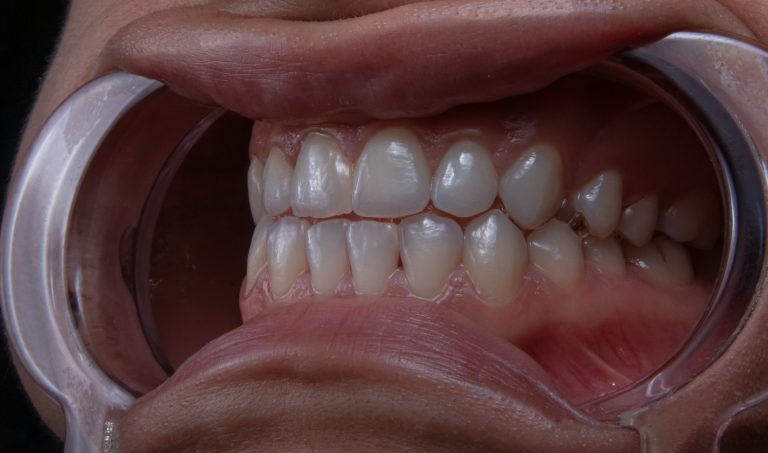
- bruxism (clenching or grinding of teeth)
- postural imbalances
Le chronic stress plays a central role. It acts as an amplifier, increasing the brain's alertness, making the tinnitus more present and harder to ignore.
Associated symptoms and day-to-day consequences
Tinnitus is not limited to perceived noise. It can be accompanied by :
- feeling of a full or blocked ear
- hypersensitivity to sound
- neck pain or tight jaw
- frequent headaches
- mental fatigue and balance problems
Psychologically, the consequences are often significant:
- difficulty falling asleep or unrefreshing sleep
- irritability and reduced concentration
- anxiety, sometimes heightened by silence
- loss of quality of life
Without support, a vicious circle can lead to stress, fatigue and increased tinnitus.
When should I seek medical advice?
It is advisable to consult a professional when tinnitus :
- appear suddenly
- become permanent
- intensify over time
- are accompanied by dizziness, pain or hearing loss
Even in young people, persistent tinnitus should not be trivialised. An early assessment can help identify the contributing factors and take action before the tinnitus becomes long-lasting.
What solutions are there for tinnitus?
There is no universal treatment, because every situation is different. Treatment is based on a global approach, which may include :
- a medical and ENT check-up
- correction of hearing loss if necessary
- stress and sleep management strategies
- psychological support in certain cases
When tinnitus is influenced by posture, the neck or the jaw, functional treatment is particularly relevant.
Focus on cervico-maxillo-facial physiotherapy
Many tinnitus symptoms are referred to as somatosensoryIn other words, they are modulated by movements of the head, neck or jaw. The cervico-maxillo-facial physiotherapy acts precisely on these mechanisms.
In particular, it enables :
- reduce deep muscle tension in the neck and face
- improve cervical mobility
- rebalance the temporomandibular joint
- optimise proprioception and the information sent to the brain
By restoring more harmonious functioning between these structures, the perception of tinnitus can be reduced, both in intensity and frequency. This approach is often part of a multidisciplinary careIn collaboration with doctors and ENT specialists.

Frequently asked questions about tinnitus
- Can tinnitus disappear?
In some cases, yes, particularly when the cause is reversible. In others, the aim is above all to reduce their impact.
- Does stress make tinnitus worse?
Yes, it is recognised as a major aggravating factor.
- Is tinnitus dangerous?
They are rarely a sign of a serious pathology, but require medical advice when they are recent or associated with other symptoms.
Conclusion
Tinnitus should neither be ignored nor dramatised. Tinnitus often reflects an overall imbalance involving the hearing system, the nervous system, the immune system and the brain. posture and emotional state. In many cases, early, individualised and coordinated treatment can reduce the intensity and, above all, the impact on daily life. By understanding their mechanisms and enlisting the help of trained professionals, it is possible to rediscover a more comfortable lifestyle and no longer let these parasitic noises take up all the space.