
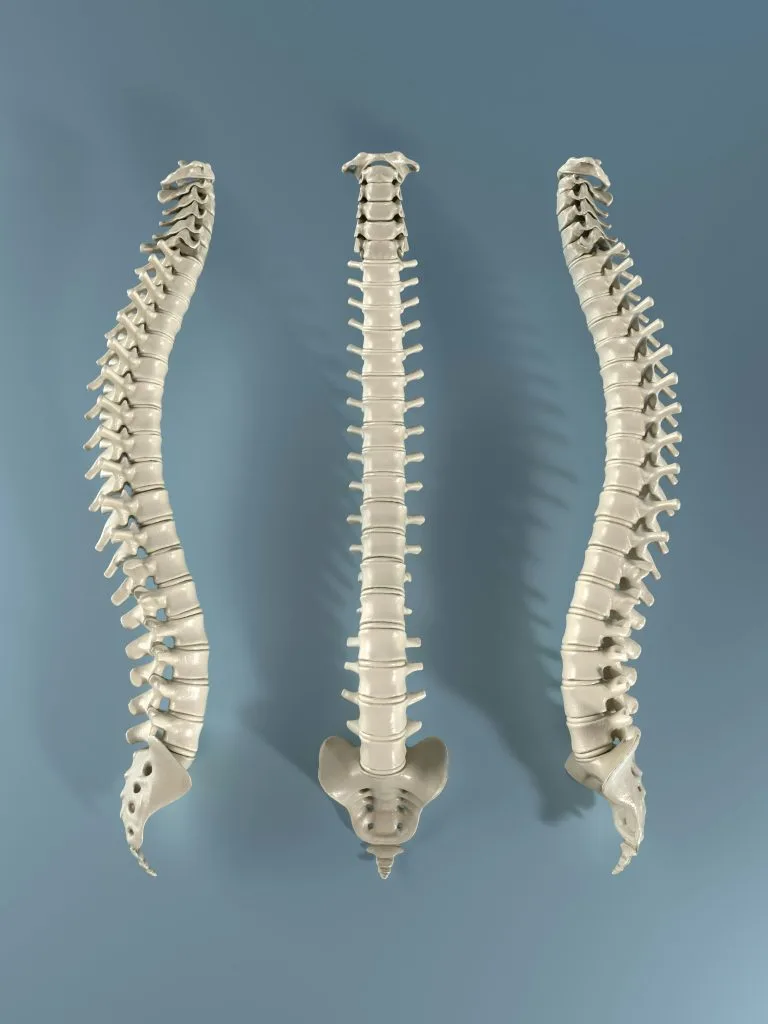
Is there a perfect posture?
There is no single perfect posture. Learn what to notice when sitting or standing feels uncomfortable and how to prepare a useful assessment.
No one sitting or standing position is perfect for everyone. If your neck, back or shoulders feel uncomfortable, the useful question is not “Am I sitting straight enough?” but “Which activities, durations and changes of position affect me?” A posture can be comfortable for a while and less comfortable after a long period. You can explore variation and movement without treating every slouch as damage.
The Cambridge University Hospitals patient guide explains that research does not establish one ideal posture or show that “bad posture” alone causes back pain. Pain can still make a position difficult, so your own symptoms matter more than a photograph of a supposedly correct spine.
What can you try during an ordinary day?
Notice when discomfort appears: after a long video call, at the end of a shift, while driving, or during training. If possible, change position, stand or walk briefly, or vary the task before symptoms build. Arrange your work area so you can reach what you need comfortably, rather than trying to hold a rigid pose all day. A position that feels fine now does not need to be corrected merely because it looks different from a diagram.
Regular activity and a gradual return to activities you value may be more useful than repeated self-checking in the mirror. The NICE low-back-pain guidance encourages tailored self-management and continuing normal activity. It does not offer a universal “posture correction” exercise or prescribe one chair for everyone.
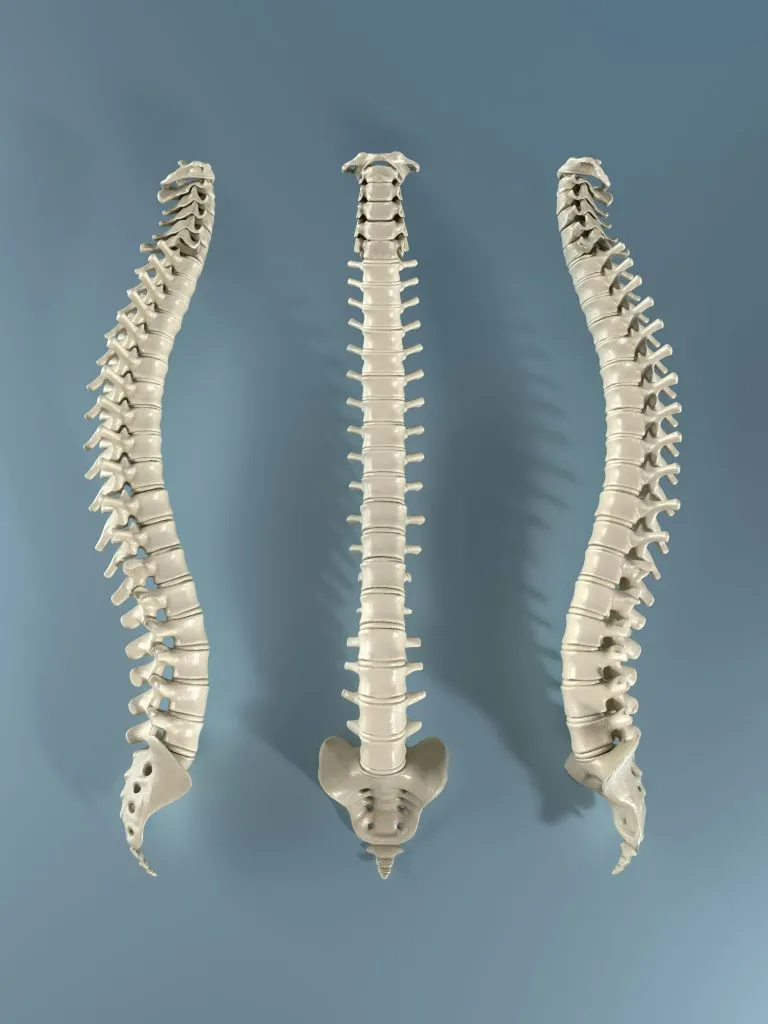
When is an assessment more useful than another posture tip?
Seek an assessment if discomfort persists, worsens, repeatedly limits work or sport, or comes with symptoms you cannot explain. Describe the location, timing, activities that change it, sleep and any previous injury. If you have new weakness, major numbness, or back pain with bladder or bowel changes, seek urgent medical assessment rather than a routine posture appointment.
A physiotherapist with experience in movement and manual therapy, such as Amine Berdii, can help explore what is actually limiting you. A general and sports physiotherapist, such as Zoé Debaize, may be relevant when the problem is tied to activity. A profile describes a practitioner’s work; it is not a diagnosis or a promise of a particular treatment.
Useful questions to bring
- Which movements or tasks should I keep doing, adapt or gradually rebuild?
- Does the assessment suggest anything that needs medical review?
- What would show that the plan is helping, beyond “sitting straighter”?
- How should I adjust if symptoms are worse after activity?

There is no need to buy a posture device or commit to a fixed programme before the problem is understood. If you want to explore the options at Rebalance, see general physiotherapy and the team profiles.
Sources
- Cambridge University Hospitals, “Myth busting about posture, core stability and lifting”: no single correct posture and the value of movement variety.
- NICE, “Low back pain and sciatica in over 16s”: tailored self-management and activity.
Updated .