Introduction
Le back pain chronic pain often acts as an unwelcome companion that gradually takes hold. Initially discreet, it becomes recurrent, and then ends up influencing everyday activities, sleep, mood and sometimes even professional life. Chronic low back pain is one of the disorders musculoskeletal They are also among the most complex to understand. However, once we understand the mechanisms and aggravating factors involved, we can take effective and lasting action.
What is chronic back pain?
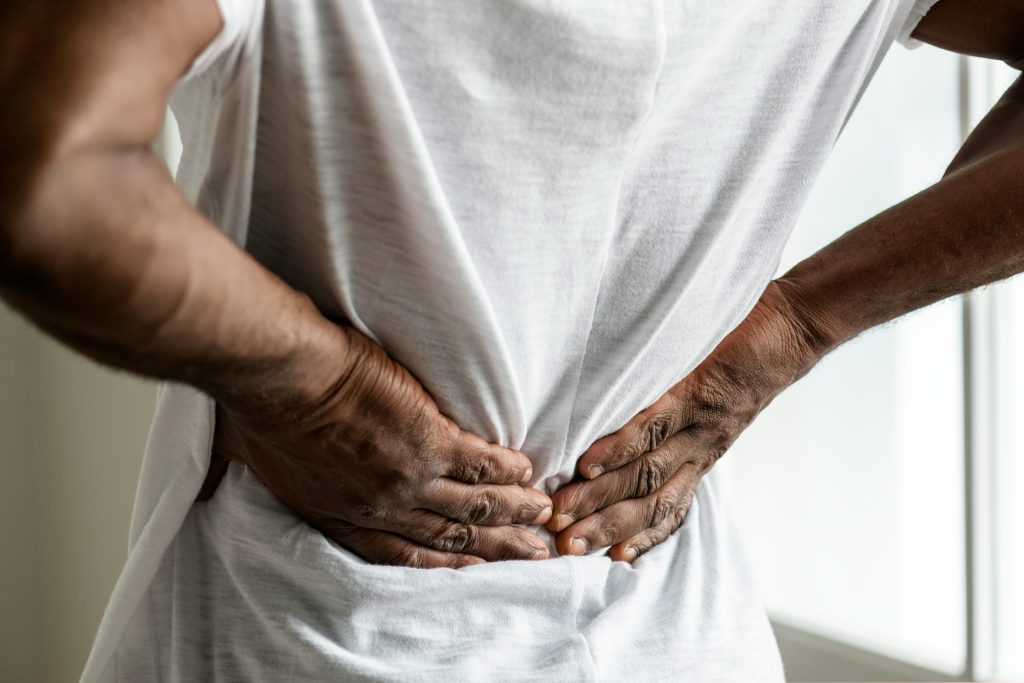
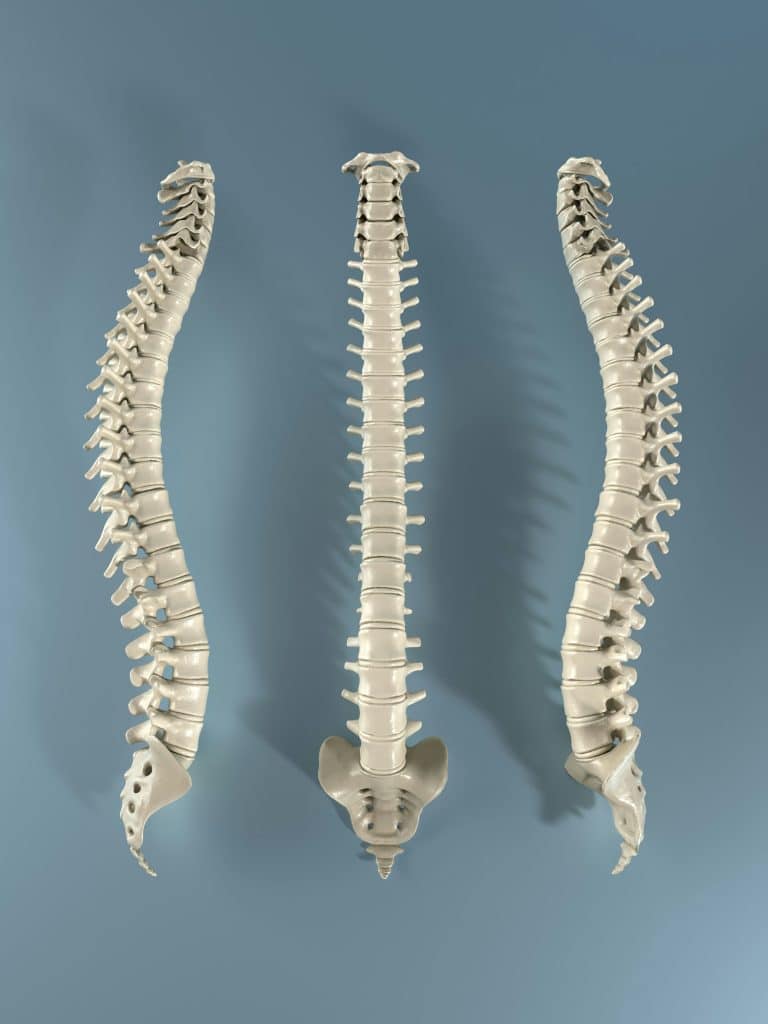
Chronic back pain is pain that has persisted for more than three months, even if its intensity varies over time. The chronic low back pain specifically concerns the lumbar region, located in the lower back, a key area for the body's stability and mobility.
Unlike acute pain, chronic pain does not always reflect an active lesion. It is often linked to a combination of factors:
- mechanical
- neurological
- muscular
- psychosocial
The nervous system then becomes more sensitive, which explains why pain can persist despite sometimes reassuring tests.
What are the common causes of chronic low back pain?
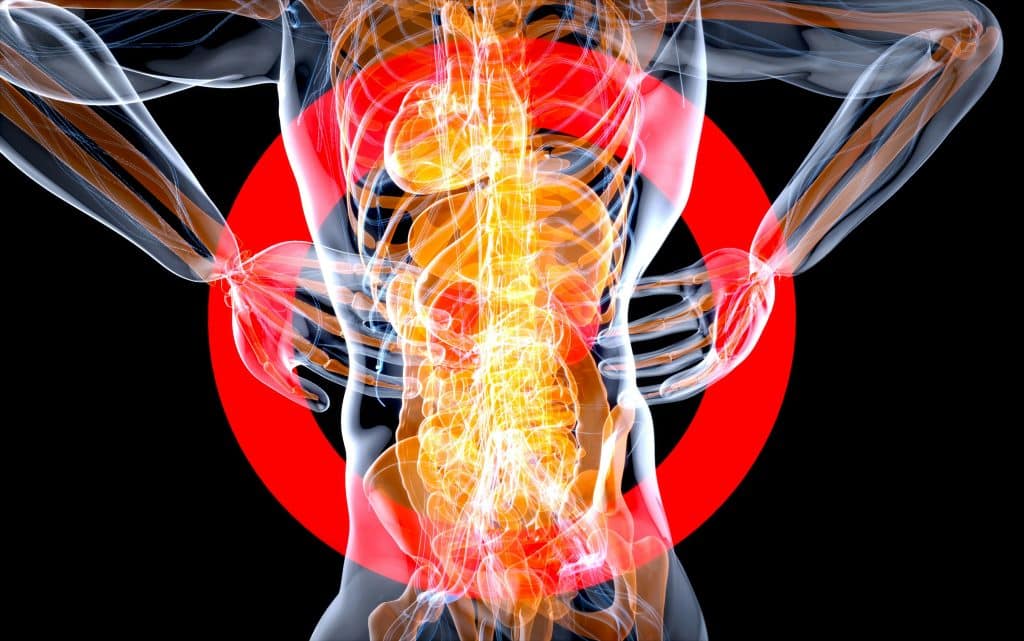
Chronic back pain is rarely due to a single cause. It is most often the result of global imbalance that takes hold over time.
The most common causes include :
- prolonged poor posture (sitting, screens)
- a lack of mobility and muscle strengthening
- repetitive or asymmetrical movements
- a history of lumbago badly recovered
Other factors also play a major role:
- chronic stress and high mental workload
- disorders sleep
- sedentary lifestyle or poorly supervised return to sport
- fear of movement after a painful episode
These factors contribute to maintaining pain and limiting spontaneous recovery.
Associated symptoms and impact on daily life
Chronic low back pain does not only manifest itself as local pain. It can be accompanied by :
- morning stiffness or after a period of inactivity
- pain radiating to the buttocks or thighs
- sensation of a "blocked" or weak back
- rapid muscle fatigue
In the long term, the consequences are often more far-reaching:
- reduced physical activity
- understanding movement
- reduced concentration
- psychological impact with anxiety or discouragement
It is this interaction between the body and the mind that makes chronic pain so persistent.
When should you seek help for chronic back pain?
It is advisable to consult when :
- the pain has lasted for several weeks
- frequently recurs despite rest
- it limits daily activities
- it is accompanied by significant stiffness or radiating pain
Early assessment helps prevent the development of compensation mechanisms and chronicity. Even in young or active people, repeated low-back pain is never harmless.
What solutions are there for chronic low back pain?
Today, the treatment of chronic back pain is based on the following approach active and personaliseda far cry from the strict rest that used to be recommended.
Effective solutions generally combine :
- a medical assessment to rule out a specific cause
- support in movement and adapted physical activity
- dealing with stress factors
- work on posture and lifestyle habits
The aim is not just to make the pain go away, but above all to restoring confidence in the body and restore functional mobility.
The role of physiotherapy and osteopathy
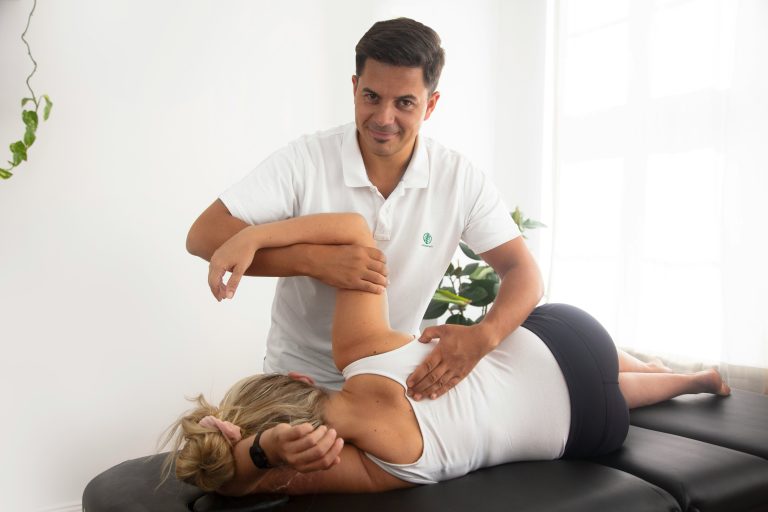
La physiotherapy plays a central role in chronic low back pain. It enables :
- strengthen the deep muscles of the trunk
- improve joint mobility
- correct muscular imbalances
- reintroduce movement gradually and safely
Osteopathy can complement this care by working on :
- spinal mobility restrictions
- persistent muscular tension
- the links between the back, pelvis and diaphragm
These approaches are not mutually exclusive, but complement each other in the following ways a global vision of the patientoften coordinated with the doctor treating.
Frequently asked questions about chronic back pain
Does chronic low back pain mean that the back is damaged?
Not necessarily. In many cases, the pain is related to a hypersensitivity of the nervous system rather than a serious injury.
Should you avoid sport if you have back pain?
No. Adapted physical activity is one of the pillars of treatment, provided it is progressive and supervised.
Can stress really cause lower back pain?
Yes, stress increases muscular tension and alters the perception of pain, contributing to its chronicisation.
Conclusion
Chronic back pain, and in particular lower back pain, should not be seen as an inevitability linked to age or lifestyle. They often reflect an overall imbalance between movement, posture, mental workload and recovery. Taking charge Adapted, progressive and individualised treatment can not only reduce pain, but above all restore confidence in one's physical abilities. By understanding the mechanisms of chronic pain and working with trained healthcare professionals, it is possible to break the vicious circle of low back pain and build a lasting improvement in quality of life.