Osteopathy osteopathy is often seen as a manual therapy capable of 'putting back in place' a joint or 'relieving a blockage', but its real strength lies in a much broader and more nuanced vision of the human body. Contrary to simplistic ideas, osteopathy does not claim to cure diseases in the medical sense of the term; rather, it aims to restore mobility, reduce tension, improve function and support the patient's natural ability to recover, adapt and regain a state of balance.
This article gives you a clear and detailed understanding of what osteopathy can really do, and how an approach combining structural analysis, visceral work, muscular understanding and a global vision of the patient can effectively treat many everyday functional disorders.
1. A structural, visceral and holistic approach: understanding how osteopathy really works
One of the distinctive features of osteopathy is that it views the body as a coherent system, in which all the structures - muscles, joints, nerves, fascia, organs, breathing and posture - interact continuously.
This means that pain felt in one area can sometimes have a completely different origin, making an overall assessment essential.
The structural approach: mechanical and joint work
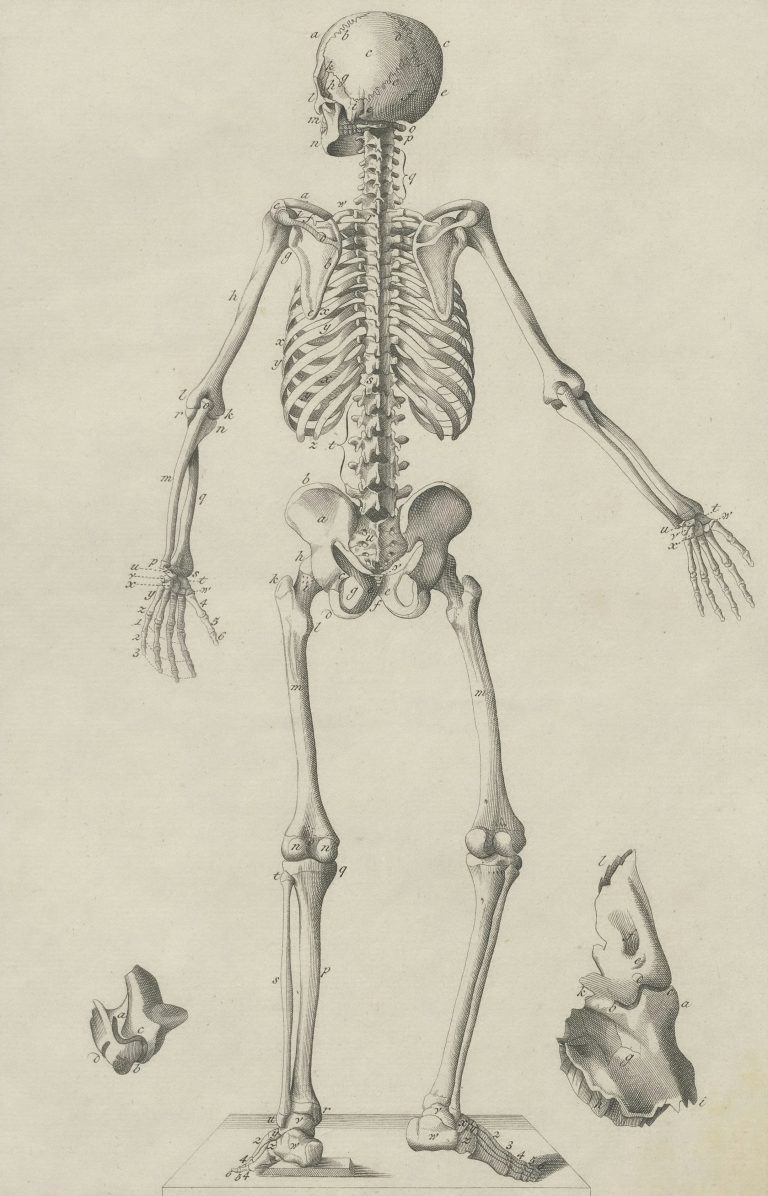
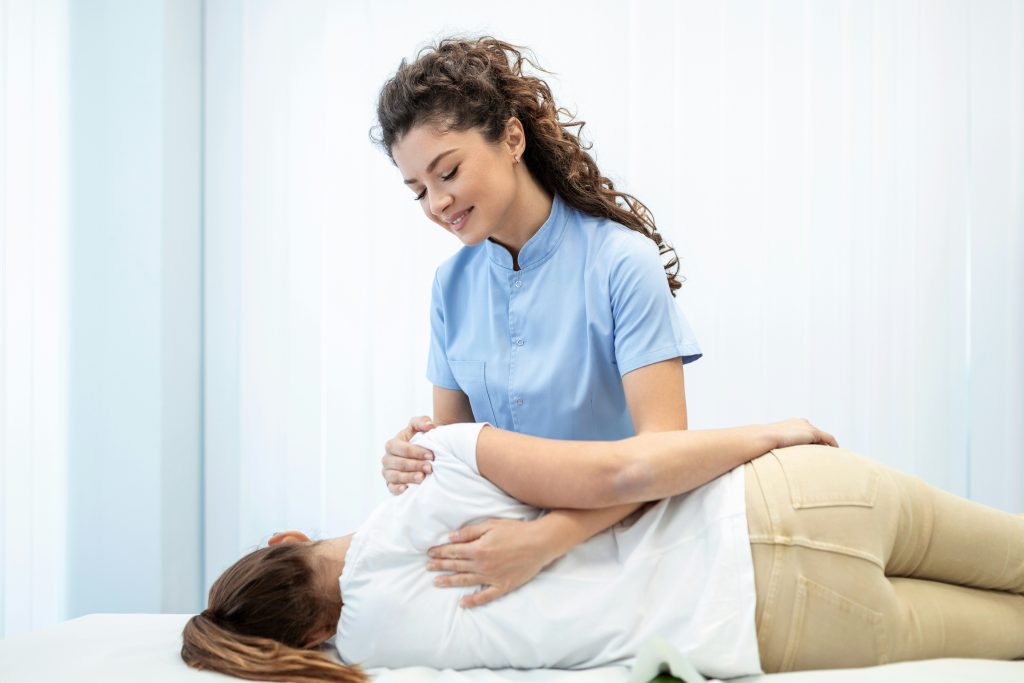
This pillar of osteopathy focuses on the joints of the spine, pelvis, limbs and rib cage.
The aim is to improve mobility, reduce muscular tension and help the painful area return to normal function.
The visceral approach: when the organs influence posture and pain
The internal organs are never totally independent: they are held together by ligamentous attachments, influence breathing, interact with the diaphragm and react strongly to stress.
Visceral tension can therefore cause or maintain back pain, respiratory discomfort, abdominal discomfort or even pelvic pain.
A pragmatic and holistic approach
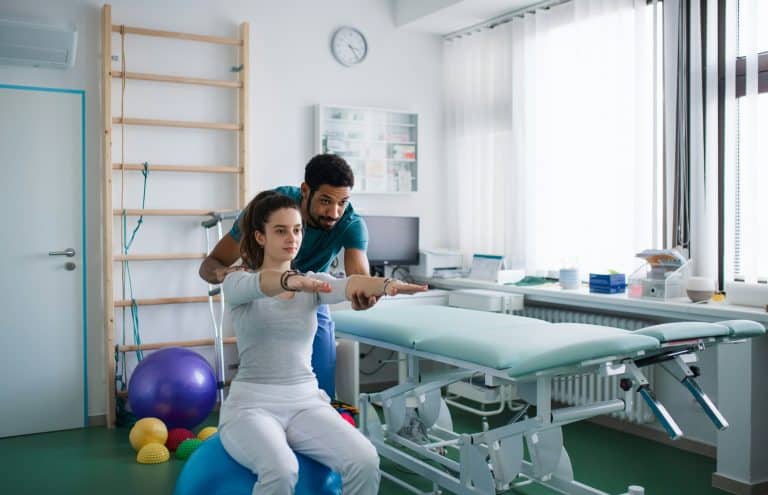
The osteopath The modern therapist does more than simply "manipulate" a painful area. He observes posture, explores lifestyle habits, analyses movements, listens to the history of the symptom, and then chooses the most appropriate techniques.
The aim of this global approach is to help the body function more fluidly and coherently, without ever replacing medical supervision where this is necessary.
2. The pains and disorders most frequently treated by osteopathy
Lumbago, sciatica and lower back pain
Lower back pain is one of the most common complaints. It can be caused by incorrect movement, prolonged posture, lack of mobility or joint blockage.
Typical case
A patient develops sciatica after several weeks of stress and a sedentary lifestyle.
Examination revealed tension in the psoas, rigidity of the pelvis and very high breathing.
The work focuses on lumbar mobility, muscle relaxation and releasing the diaphragm, which often leads to rapid improvement.
Neck pain, torticollisheadaches and migraines
Many people suffer from neck strain, caused by screens, stress, sleep or the temporomandibular joint (TMJ).
Osteopathy examines cervical mechanics, the base of the skull, deep muscle tensions and breathing.
Joint and muscle pain
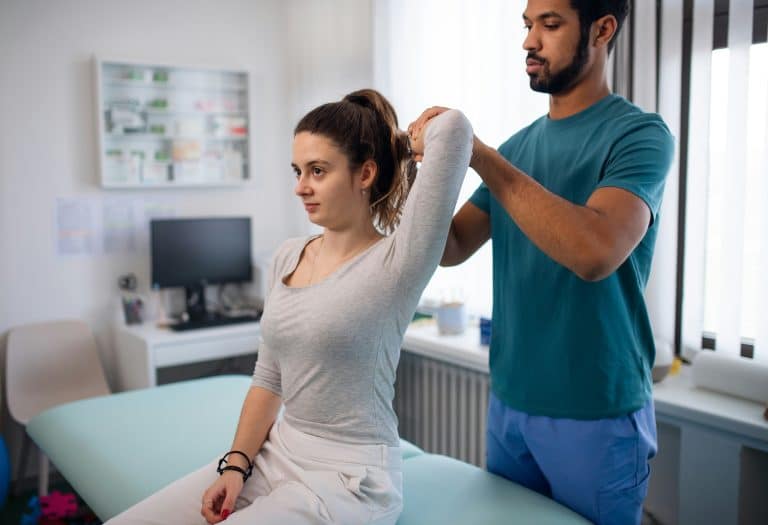
Shoulder, knee, hip or rib pain can be linked to postural imbalance, loss of mobility or overtraining.
Sports cases
A runner suffering from recurrent knee pain finally sees the cause identified as a loss of hip mobility and excessive tension in the posterior chain, and not in the knee itself.
Disorders of the jaw (ATM)
Bruxism, stress, clenched jaws and neck pain are very often linked.
Osteopathy works not only on the jaw, but also on the neck, posture and chewing muscles.
Stress, fatigue and functional disorders
Chronic stress alters breathing, creates diffuse tension, disrupts sleep and encourages pain.
Osteopathic work helps to restore smoother functioning of the autonomic nervous system.
3. Osteopathy for specific audiences
Sports
Osteopathy helps to prevent injury, improve mobility, optimise performance and facilitate recovery after exercise.
Pregnant women
Using gentle techniques, she relieves lower back pain, sciatica, ligament pain and tension linked to a baby's growth.
Infants and children
The techniques are very careful, focusing on mobility, posture, the jaw, birth-related tensions and functional digestive disorders.
Functional ENT disorders
In some children and adults, cranial and cervical tensions can contribute to chronic non-infectious sinusitis, serous ear infections or the sensation of blocked ears.
4. A rigorous, safe practice that complements medicine
Osteopathy never replaces medicine.
It acts when disorders are functional, serious pathologies have been excluded, and collaboration with other professionals is beneficial.
The osteopath must be able to recognise what is outside his field of action and refer the patient quickly if necessary.
Conclusion: what osteopathy can really offer
Osteopathy provides effective treatment for patients suffering from functional pain, muscular tension, mechanical disorders, stress or limited mobility.
It helps the body to regain greater coherence, fluidity and adaptability, as part of a responsible care pathway based on collaboration and clinical common sense.
Find our osteopaths (Nathan Heuskin and Geoffrey Buguinet) exercising in our medical centre to call on their expertise and follow-up.