When pain appears - a blocked back, a stiff necksciatica, persistent chronic pain - many patients hesitate between consult a osteopath or a chiropractorThese two manual professions are often confused, but are in fact based on very different philosophies, methods and objectives.
While these two approaches focus on movement, how the body functions and the interactions between the spinal column, the nervous system and the tissues, they do not do so in the same way, using the same techniques or with the same therapeutic intentions.
This article will help you clearly understand the difference between a osteopath of a chiropractor, so that you can choose the practitioner best suited to your needs, depending on your pain, your state of health and the type of support you are looking for.
1. A difference in origin, philosophy and overall approach
Osteopathy: a systemic vision of the human body
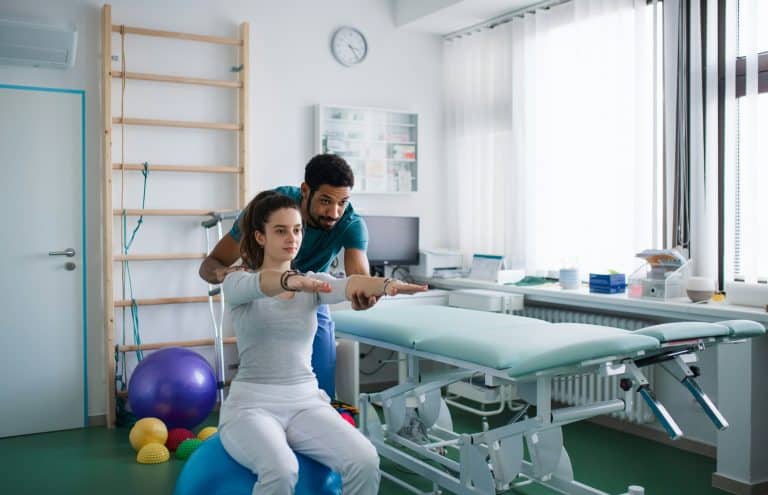
Osteopathy is based on a central idea: the body functions as a global system, where each joint, organ, muscle, fascia or nerve influences the overall balance.
The osteopath therefore observes mechanics, posture, breathing and tissue quality, and seeks to understand how a loss of mobility - whether articular, visceral, muscular or stress-related - can disrupt overall functioning and generate pain.
The aim is not just to manipulate a joint, but to restoring functional harmonyThis is done by taking into account the patient's history, background, lifestyle and way of coping with stress.
Chiropractic: expertise focused on the spine and nervous system
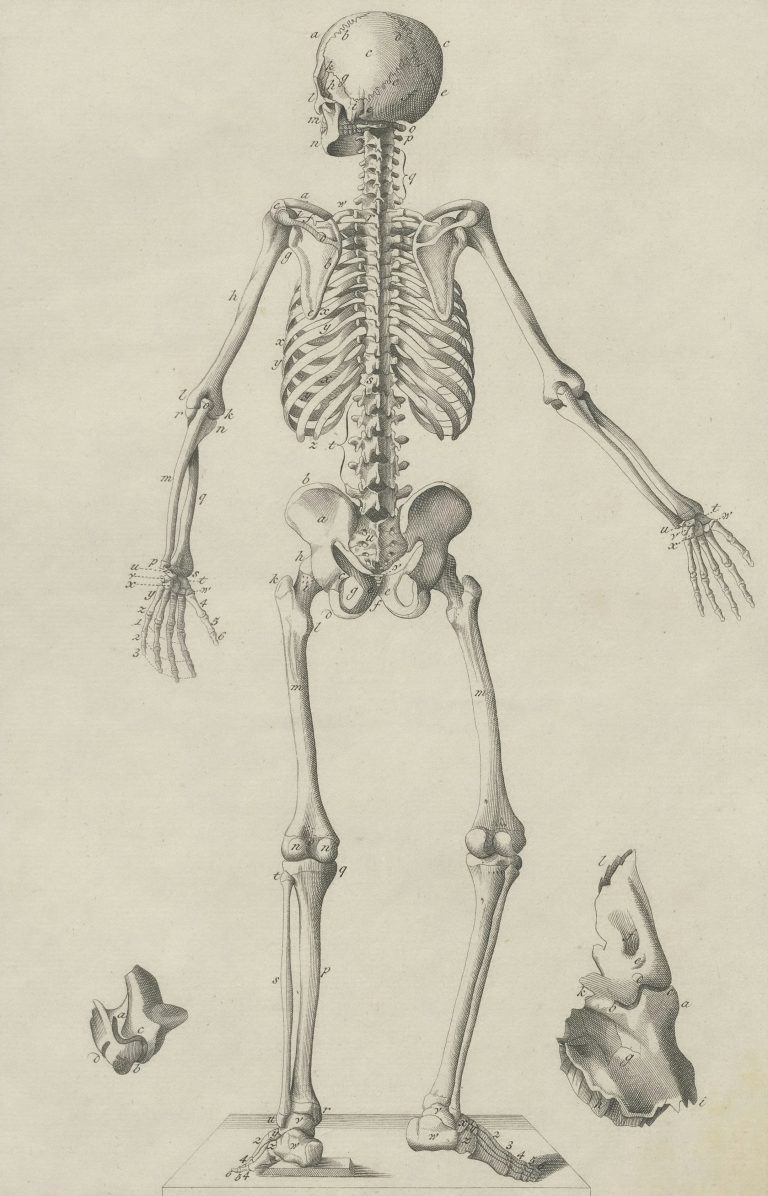
Chiropractic is based on the idea that overall health depends largely on the correct alignment of the spine.
For chiropractors, vertebral misalignment (often called subluxation) can disrupt the nervous system and lead to a wide range of dysfunctions and pain.
The treatment therefore focuses mainly on :
- the spinal column,
- spinal nerves,
- the joints of the pelvis,
- postural alignment.
Philosophy is therefore more centred on the columnOsteopathy explores the whole body, including the visceral, cranial and musculofascial systems.
2. The techniques used: gentleness, diversity or rapid adjustments?
Osteopathy: a wide variety of techniques
Osteopaths use a wide range of tools, selected according to the patient and the nature of the pain.
The techniques can be :
- joints (gentle mobilisation or manipulation),
- muscular (myofascial work, stretching),
- tissues (slow pressure, fascial release),
- visceral (mobility of the liver, stomach, colon, diaphragm, etc.),
- cranial (subtle work around the skull and jaw),
- functional (overall work on mobility and self-balancing).
This diversity makes osteopathy an approach that can be adapted to infants, pregnant women, sportspeople, the elderly or anxious patients requiring gentle techniques.
Chiropractic: quick, precise manipulations
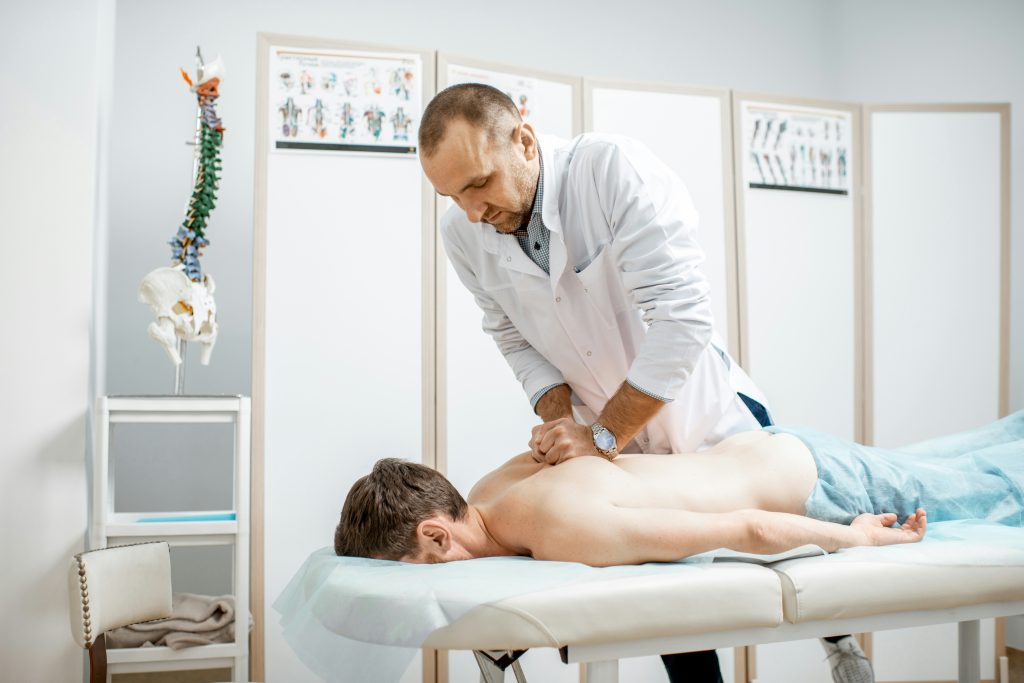
Chiropractors mainly perform joint adjustmentsThese are high-velocity, low-amplitude (HVBA) manipulations, often accompanied by a " crack ".
These procedures are designed to correct vertebral misalignment and restore mobility to a segment.
There are also more instrumental methods:
- drop tables,
- assisted adjustments,
- instrumental techniques (Activator),
- work on the muscle chains specific to posture.
Chiropractic is therefore based on a model more standardisedwith a strong focus on the spine.
3. Training: two very different paths in different countries
Training in osteopathy
In Europe (Belgium, France, United Kingdom), osteopathy is practised after :
- 5 to 6 years of study,
- including anatomy, biomechanics, medical semiology, clinical palpation and manual techniques.
Depending on the country, training is integrated into the university (as at ULB) or in a specialised school.
Chiropractic training
Chiropractic is more developed in Anglo-Saxon countries.
The course generally lasts :
- Also 5 to 6 years old,
- with a strong focus on spinal anatomy, neurology and spinal manipulation techniques.
The medical component varies from region to region, but the chiropractic philosophy remains centred on the nervous system and the spine.
4. For which pains to consult ?
Common indications for an osteopath
Because they work on the whole body, osteopaths treat a wide variety of functional disorders, including :
- lower back pain, sciatica,
- neck pain, stiff neck,
- migraines and tension headaches,
- functional digestive disorders,
- jaw pain (TMJ),
- stress or breathing-related tension,
- pain during pregnancy,
- musculoarticular disorders in sport,
- functional discomfort in infants.
Common indications for a chiropractor
The chiropractor is most appropriate when a patient is specifically looking for :
- targeted work on the spine,
- precise adjustment for acute spinal pain,
- postural monitoring,
- a spinal neurology approach.
5. Osteopathy or chiropractic: how do you choose?
The best response depends on the patient, the pain and, above all, how it started.
You could opt for a osteopath if :
- you're looking for a global approach,
- you have several different symptoms,
- you want a gentle or varied treatment,
- your pain is linked to stress, digestion, posture and breathing,
- you suffer from migraines, TMJ or diffuse muscular tension.
You might prefer a chiropractor if :
- your pain is very localised in the spine,
- you want quick adjustments,
- you're looking for regular postural monitoring,
- you are familiar with HVBA techniques and enjoy this type of treatment.
The two professions are complementary, and many patients alternate between them according to their needs.
Conclusion: two different views of the body, two useful approaches, the same objective: to help you feel better
Osteopaths and chiropractors are not opposites: they are based on different philosophies that meet different needs.
Osteopathy offers a holistic, adaptive approach that takes into account tissues, organs, posture, stress and general mobility.
Chiropractic develops specific expertise of the spine and nervous system, with rapid and precise adjustments designed to restore optimal vertebral alignment.
The most important thing is to be accompanied by a practitioner who is trained, competent and able to assess when pain requires a manual approach... or medical advice.