Neck pain is one of the most frequent reasons for consulting a doctor these days. It can appear suddenly on waking, gradually develop with stress, or become chronic over the years. Often overlooked, neck pain has a major impact on quality of life: difficulty turning the head, associated headaches, fatigue, shoulder tension and sleep problems. Understanding the cause of neck pain is the first step in achieving lasting relief.
The neck: a strategic and fragile area
The cervical region is the interface between the head and the rest of the body. It supports the weight of the skull, protects the spinal cord and allows great freedom of movement. This complexity makes it particularly sensitive to imbalances.
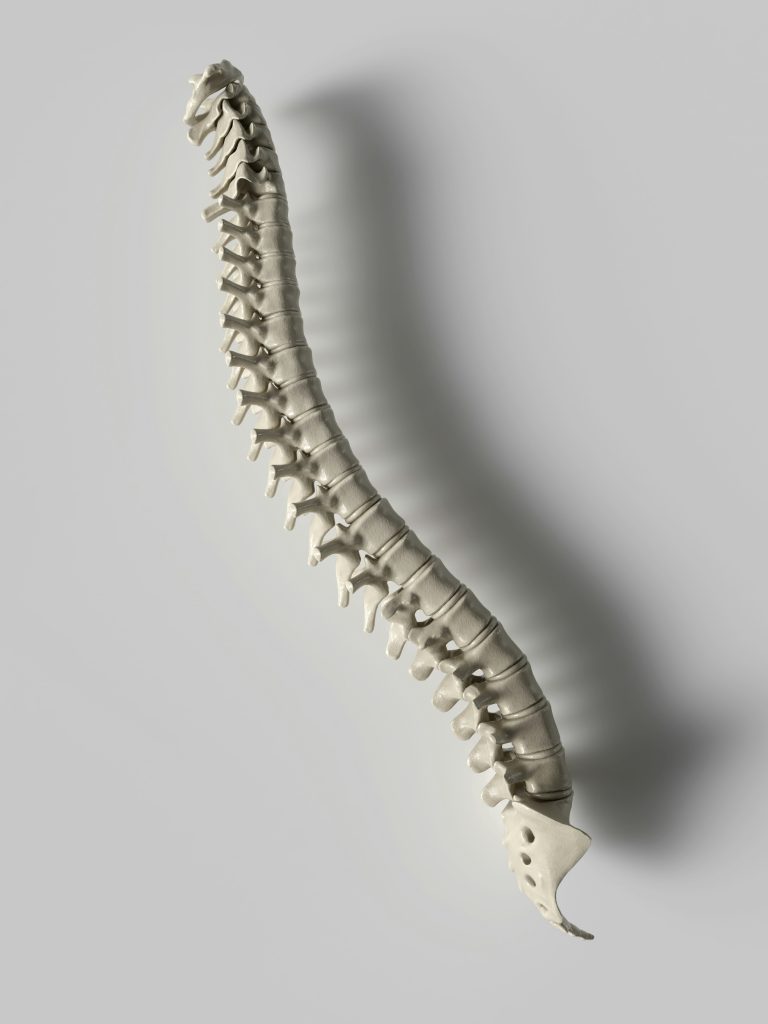
The cervical vertebrae are directly linked to :
- postural muscles
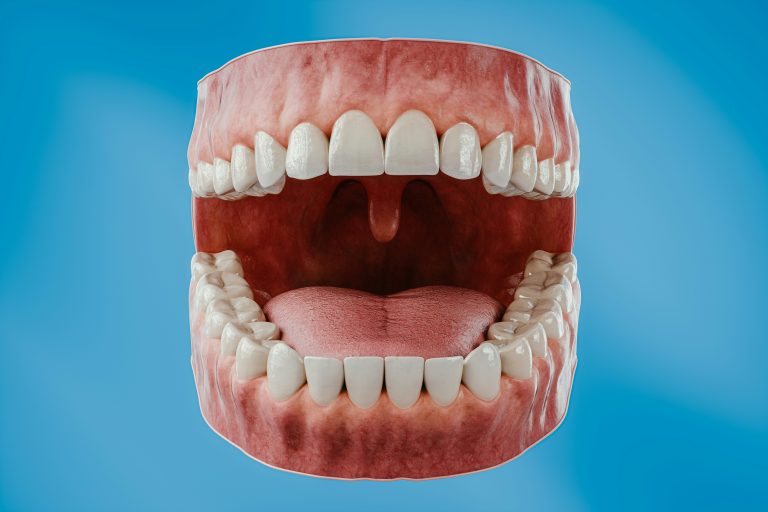
- the jaw (ATM)
- shoulders and upper back
- the nervous system
- balance and vision
When one of these systems goes wrong, neck pain can occur.

What are the most common causes of neck pain?
1. Poor posture and sedentary lifestyle
Working at a computer screen, using a smartphone for long periods of time or sitting in a static position for long periods of time encourages a forward head posture. This position overloads the cervical muscles and creates chronic tension.
2. Stress and emotional factors
Stress causes a reflex contraction of the neck and shoulder muscles. In the long term, this muscular hypertonia can lead to pain, stiffness and restricted movement.
3. Temporomandibular joint (TMJ) disorders
The jaw and cervical vertebrae work in synergy. Bruxism, TMJ imbalances or facial tension can have a direct impact on the neck.
4. Trauma and microtrauma
Accidents, falls, whiplash or even repetitive movements can affect the mobility of the cervical vertebrae, sometimes without immediate pain, but with delayed symptoms.
5. Degenerative causes
Cervical osteoarthritis or disc disease can cause mechanical pain, sometimes associated with radiations down the arms.
What are the symptoms associated with neck pain?
Neck pain is not always limited to the neck. It can be accompanied by :
- cervical stiffness
- headaches or migraines
- pain radiating to the shoulders or arms
- dizziness or a feeling of instability
- visual fatigue
- sleep disorders
- sensations of blocking or cracking
These signs should prompt comprehensive treatment rather than just symptomatic therapy.
The role of physiotherapy in the treatment of neck pain
La physiotherapy plays an essential role in pain management cervicalsparticularly when they are linked to muscular, postural or functional disorders.
Objectives of the cervical physiotherapy :
- relieve pain
- restore joint mobility
- strengthen the deep muscles of the neck
- correct postural imbalances
- prevent recurrence
Techniques used :
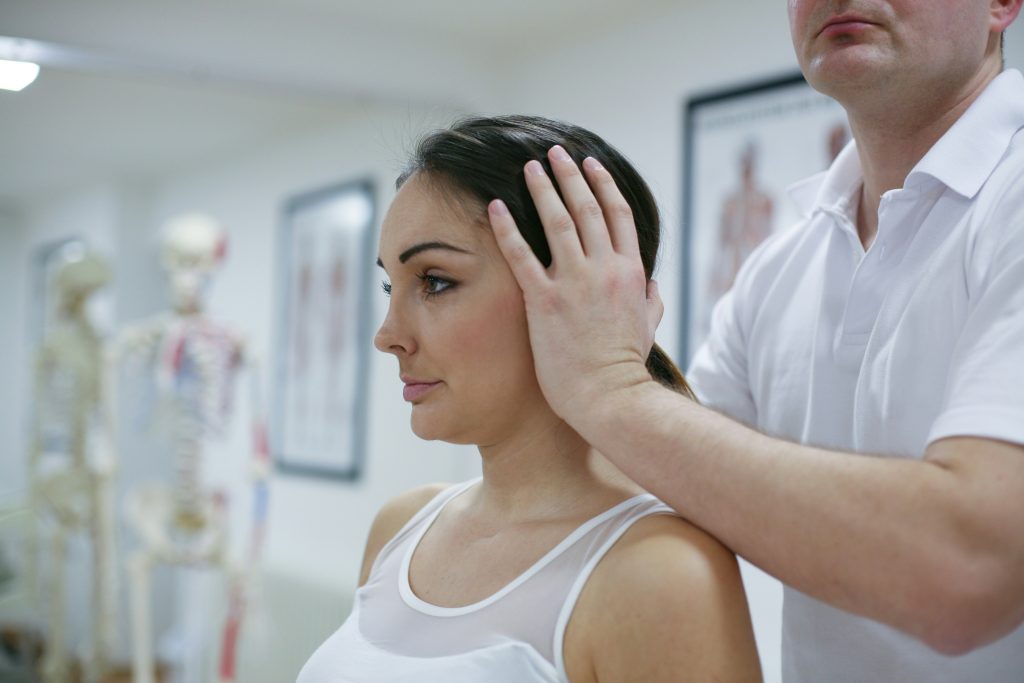
- gentle manual therapy
- cervical stabilisation exercises
- overall postural work
- targeted muscle stretching
- educating patients in good posture
Physiotherapy enables the patient to play an active role in his or her recovery.
The additional contribution of osteopathy
Osteopathy provides a global and systemic vision of neck pain. It does not limit itself to the painful area, but looks for distant causes.
The osteopath can work on :
- mobility of the cervical vertebrae
- deep muscle tension
- the jaw and facial muscles
- the diaphragm and breathing
- overall posture (pelvis, back, shoulders)
This approach often helps to remove persistent blockages and improve cervical mobility in the long term.
Why a combined approach is often the most effective
In many cases, combining physiotherapy and osteopathy gives better results than either approach in isolation. Physiotherapy rehabilitates and strengthens, while osteopathy releases and harmonises overall tensions.
This complementarity allows :
- faster relief
- a longer-lasting recovery
- better prevention of repeat offences
Conclusion: don't trivialise neck pain
Neck pain is not inevitable, nor is it a normal consequence of age or stress. It is often the sign of a functional imbalance that can be corrected.
Adapted, personalised and gradual treatment will help you to regain comfortable mobility, reduce pain and improve your quality of life on a daily basis. Visit Understanding the origin of symptoms early on and taking comprehensive action are the keys to lasting relief.