Introduction
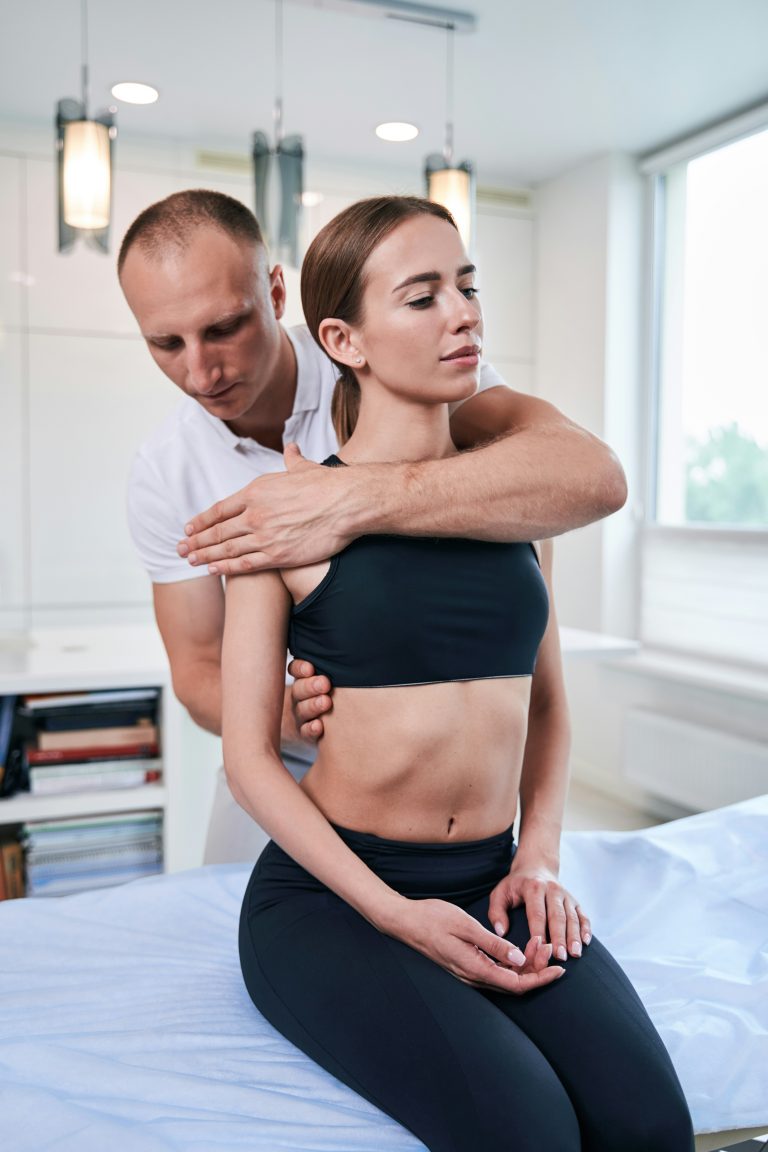
Le sleep is a fundamental pillar of health, on a par with diet and physical activity. Yet many people sleep badly without always identifying the real cause of their sleep problems. Difficulty falling asleep, waking up at night, unrefreshing sleep or feeling tired in the morning have become commonplace. While sleep disorders are often associated with stress or anxiety, they also have a lot to do with how the body works, in particular muscular tension, breathing and the jaw area. In this context, physiotherapy, TMJ physiotherapy and osteopathy can play a complementary and relevant role.
What are sleep disorders?
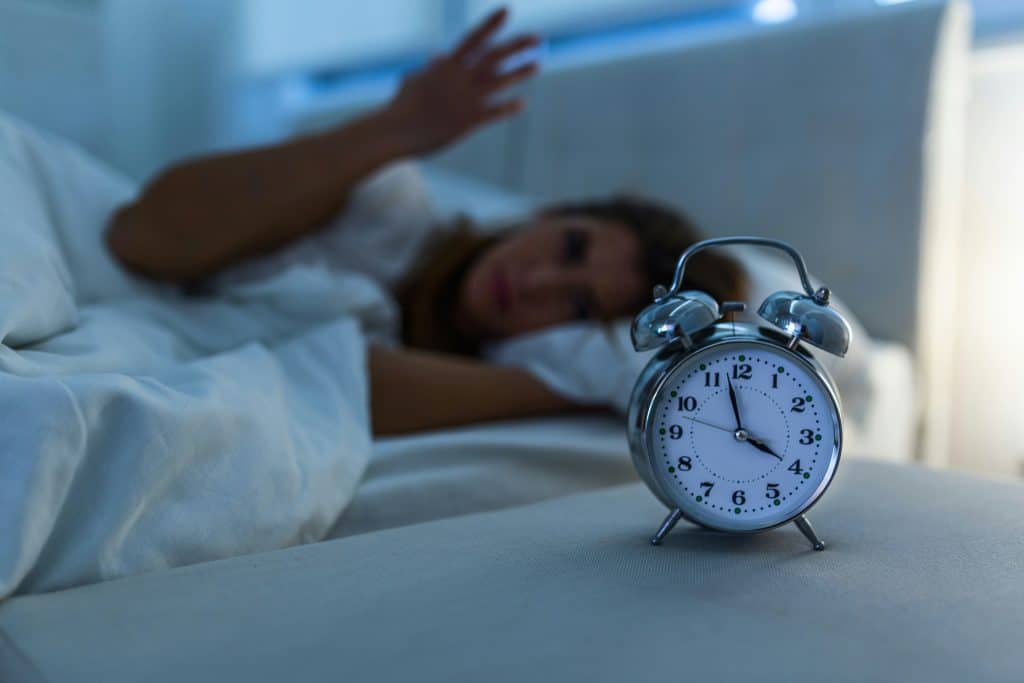
The sleep disorders include a number of clinical situations:
- insomnia (difficulty falling asleep or staying asleep)
- early awakenings
- non-restorative sleep
- sleep-disordered breathing
- waking up with body pain or tension
These problems become problematic when they are repeated and have an impact on quality of life, concentration, mood or physical recovery.
Common causes of sleep problems
Sleep disorders are rarely linked to a single cause. They are often the result of an interaction between psychological, neurological and mechanical factors.
The most common causes include :
- chronic stress and mental hyperactivity
- cervical and back muscle tension
- night-time breathing problems
- chronic pain (back, neck, jaw)
- the bruxism andtemporomandibular joint (ATM)
A body that remains in a constant state of tension finds it harder to fall into a deep, restorative sleep.
The link between the jaw, TMJ and sleep
The jaw region plays an often underestimated role in sleep disorders. TMJ disorders, the bruxism or nocturnal tension can cause :
- unconscious micro-awakenings
- headaches morning
- neck strain persistent
- feeling tired as soon as you wake up
Maxillofacial physiotherapy (TMJ physiotherapy) is designed precisely to correct these dysfunctions. It aims to restore harmonious mobility to the jaw, reduce muscular tension and improve coordination between the jaw, neck and breathing.
How physiotherapy can improve sleep
La physiotherapyThe broadest sense of the term, it acts on a number of essential sleep levers. In particular, it helps :
- reduce the pain that interferes with falling asleep
- improve posture, particularly cervical and back posture
- promote fuller, calmer breathing
- release accumulated muscular tension
In patients with sleep disorders, the physiotherapeutic work helps the body to emerge from a state of physical hypervigilance, an essential condition for quality sleep.

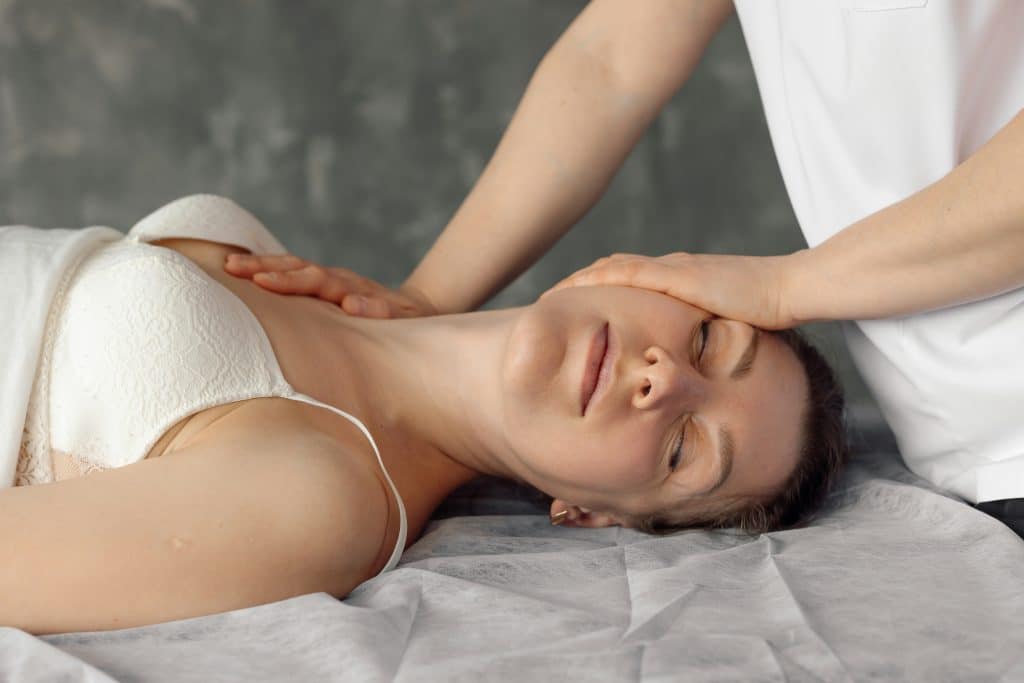
The specific contribution of osteopathy
Osteopathy takes a holistic approach to the patient, which is particularly relevant to sleep disorders. It focuses on the links between :
- the autonomic nervous system
- mobility of the spine
- breathing and the diaphragm
- visceral and cranial tensions
By working on these different structures, osteopathy can help to :
- soothe the nervous system
- improve the quality of night-time breathing
- reduce the deep-seated tensions responsible for waking up at night
The aim is not just to 'make you sleep', but to create the right bodily conditions for natural, restorative sleep.
Combined and individualised approach
In many cases, the best treatment is a combined approach:
- ATM physiotherapy for jaw disorders and bruxism
- physiotherapy for pain and posture
- osteopathy for a global and systemic vision
This complementarity enables action to be taken on the mechanical, functional and neuro-vegetative causes of sleep disorders, in conjunction with the GP if necessary.
Frequently asked questions about sleep disorders
Are sleep disorders always psychological?
No. They are often multifactorial and can be sustained by bodily tension or chronic pain.
Can the jaw really interfere with sleep?
Yes, TMJ disorders and bruxism are frequent causes of unrefreshing sleep.
How long does it take to feel an improvement?
This depends on the cause and how long the condition has been present, but many patients experience a gradual improvement within the first few weeks.
Conclusion
Sleep disorders should not be trivialised. When they set in, they often reflect an overall imbalance between the body, the nervous system and the rhythm of life. Physiotherapy, ATM physiotherapy and osteopathy offer complementary solutions, based on a detailed understanding of the link between body tension, breathing and night-time recovery. By restoring a more harmonious functioning of the body, these approaches help patients to regain a deeper, more stable and truly restorative sleep, an essential condition for good long-term health.