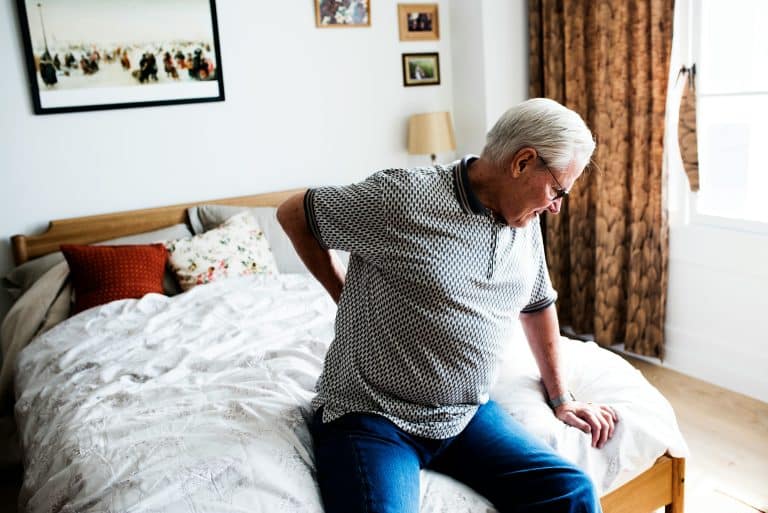
The back pains are now affecting a large proportion of the population. Lumbago, back pain, neck strain, sciatica... Whether the pain is occasional or chronic, it affects sleep, concentration, work and quality of life.
Consult a osteopath is an excellent approach. But for follow-up to be truly effective, it's not enough to make an appointment "when things get tough". Structured, consistent and personalised support makes all the difference.
Here are some of the best ways to optimise your osteopathic treatment so that you can look after your back for the long term.
1. Understand the real cause of your back pain
Good monitoring always starts with a comprehensive review. Back pain is often not just local:
- Low back pain can be linked to the pelvis or the hips
- From neck pain can be influenced by posture or stress
- Sciatica can result from an overall imbalance
The osteopath seeks to identify the mechanical, functional or postural cause of the problem, not just the painful area.
The first key to effective follow-up is to accept a holistic approach to the body.

2. Don't wait until the pain becomes incapacitating
Many patients only seek help when the pain becomes unbearable. But intervening early can :
- avoid the installation of offsets
- limit inflammation
- reduce the risk of chronicity
- speed up recovery
Early monitoring is always more effective than treatment in the advanced acute phase.
3. Respect the pace of sessions
Osteopathic treatment is not limited to a single session. Depending on the intensity and duration of the pain, several appointments may be necessary.
In general :
- Acute phase: 1 to 3 sessions at short intervals
- In the chronic phase: progressive monitoring over several weeks
- Prevention: 2 to 3 sessions per year
Keeping to the recommended pace allows the body to integrate the corrections and regain a stable balance.
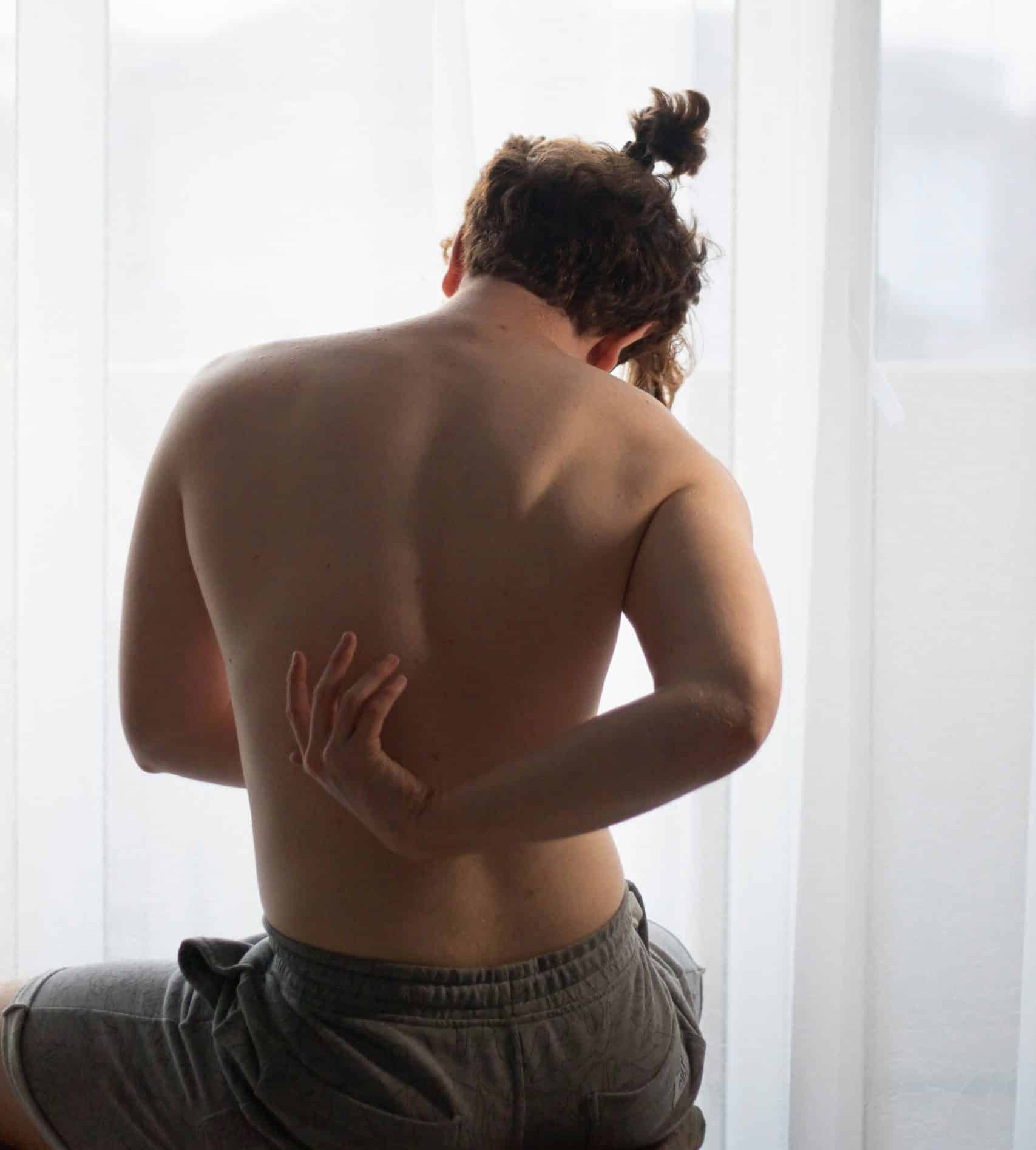
4. Combining osteopathy and a healthy lifestyle
Osteopathy is very effective, but it works even better when it is accompanied by concrete changes:
Improving posture
An ill-adapted workstation is one of the major causes of back pain. Adjusting the height of the screen, the position of the seat or using a lumbar support can considerably reduce strain.
Adapted physical activity
Movement is essential. Walking, gentle muscle strengthening, sheathing, joint mobility... The aim is to stabilise the corrections made during the session.
Stress management
Le stress encourages contractures, particularly in the trapezius and lumbar region. Breathing techniques and relaxation can reduce chronic tension.
👉 Osteopathy corrects, but your daily routine consolidates.
5. Follow the personalised advice between sessions
A good osteopath often suggests :
- stretching exercises
- posture advice
- ergonomic recommendations
- mobility exercises
These recommendations are not optional. They are an integral part of the treatment. Applying them regularly will speed up results and reduce the risk of recurrence.
6. Understand that pain is not always proportional to the problem
Sometimes the pain diminishes rapidly... but the body's equilibrium is not yet fully restored.
Stopping monitoring too early can lead to :
- a relapse
- migratory pain
- compensatory adaptation
Comprehensive monitoring aims for long-term stability, not just immediate relief.

When should I see an osteopath for my back?
It is advisable to consult in the event of :
- low back pain persistent
- pain after a wrong movement
- sciatica
- neck pain with headaches
- chronic work-related stress
- post-traumatic recovery
The earlier the treatment, the more effective it is.
The importance of prevention
Even in the absence of pain, preventive monitoring can :
- maintain good joint mobility
- correct emerging imbalances
- improve posture
- reduce the risk of blockages
Prevention costs less energy than repair.
Conclusion: structured follow-up for lasting back relief
Being treated by an osteopath for back pain is not just a one-off manipulation. It's a holistic approach that combines :
- analysis of causes
- manual corrections
- personalised advice
- active involvement of the patient
A support Properly carried out, this not only relieves pain, but above all reduces its frequency and intensity over the long term.
Your back is with you every day. Taking regular care of it means investing in your mobility, your energy and your quality of life.