La sciatica is one of the most frequent causes of back pain radiating. It may appear suddenly after a wrong movement, or gradually develop as a result of persistent tension in the lower back. When it does occur, the pain can be intense, making it difficult to walk, sit or even sleep.
Understanding the cause of sciatica, recognising its symptoms and knowing what solutions exist means you can act more quickly and prevent the pain from becoming chronic.
What is sciatica?
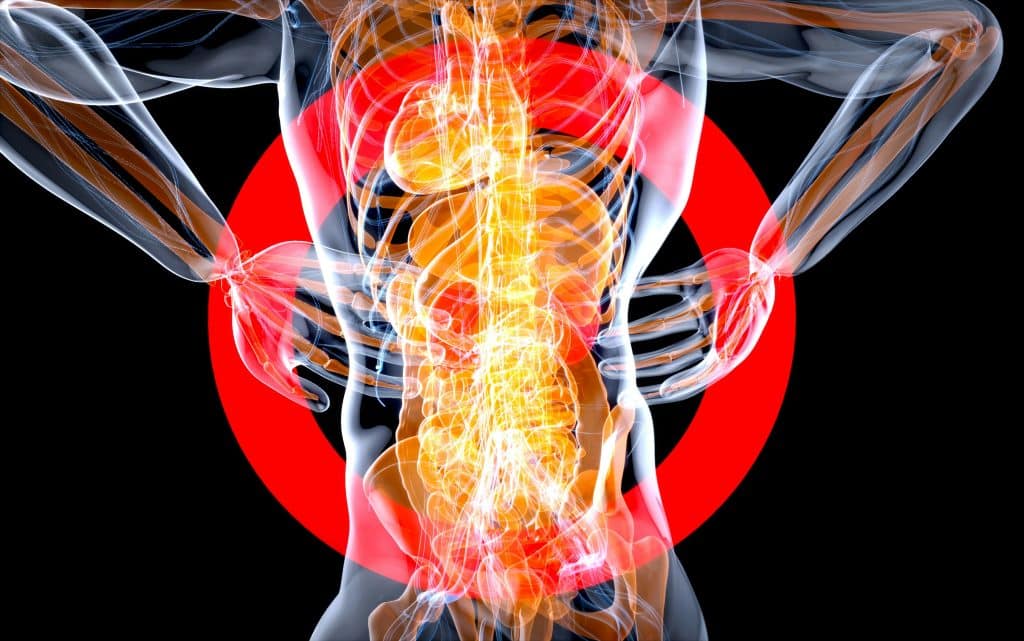
La sciatica corresponds to a irritation or compression of the sciatic nervethe longest nerve in the human body. This nerve starts in the lumbar region, crosses the pelvis and runs down the leg to the foot.
When this nerve is compressed or irritated, the pain often follows a characteristic path that can go from :
- lower back
- towards the buttock
- then along the thigh
- up to the calf or foot
This pain may be accompanied by burning, electric shock or numbness.
What causes sciatica?
Sciatica is not an illness in itself, but a symptom of a problem with the spine or surrounding structures.
The most common causes include
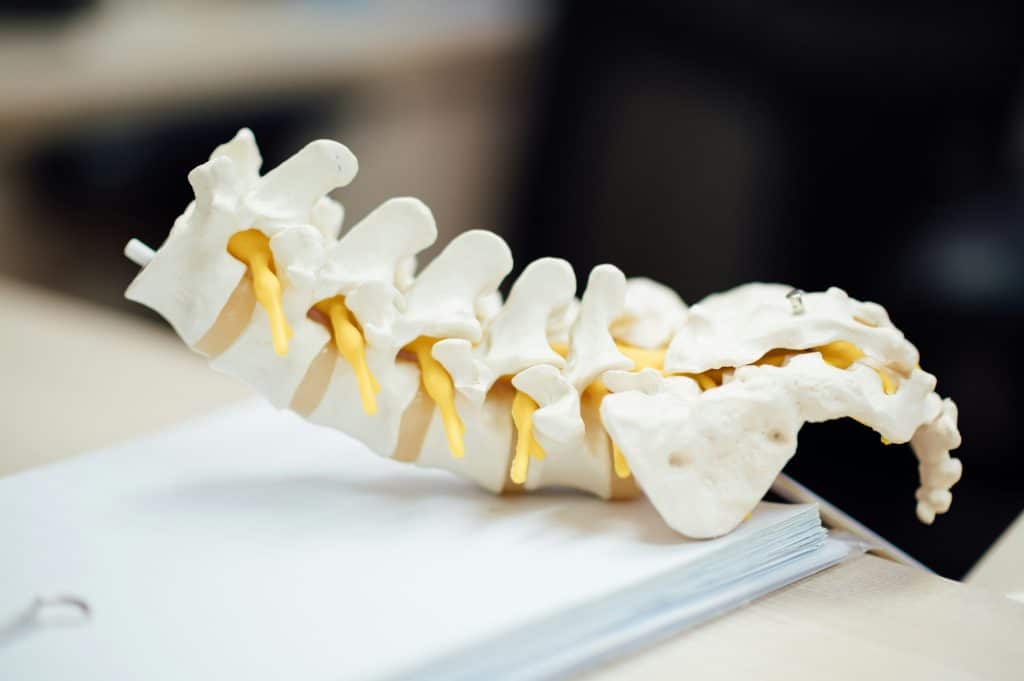
- a herniated discwhen the intervertebral disc compresses the nerve
- acute low back pain (lumbago) with local inflammation
- a narrow lumbar canal
- severe muscle tensionparticularly in the piriformis muscle
- prolonged bad postureespecially when seated
Stress, fatigue or a lack of physical activity can also contribute to the appearance of these tensions.
What are the symptoms of sciatica?
Sciatica is often recognised by a characteristic pain that follows the course of the nerve. The most common symptoms are
- lower back pain radiating down the leg
- increased pain when sitting
- sensation of burning or electric shock
- numbness or tingling in the leg
- muscle weakness in some cases
The pain may vary according to position and intensify with certain movements.
When should I seek medical advice?
In most cases, sciatica improves with appropriate treatment. However, it is advisable to consult a healthcare professional if :
- the pain is very intense
- persists for more than a few days
- it prevents you from walking or moving around normally
- sensitivity problems appear in the leg or foot
A precise diagnosis can determine the cause and adapt the treatment.
What solutions are there to relieve sciatica?
The treatment of sciatica is generally based on a progressive, multidisciplinary approach.
Medical treatment
The doctor may prescribe anti-inflammatories, painkillers or recommend a period of relative rest to reduce the inflammation of the nerve.
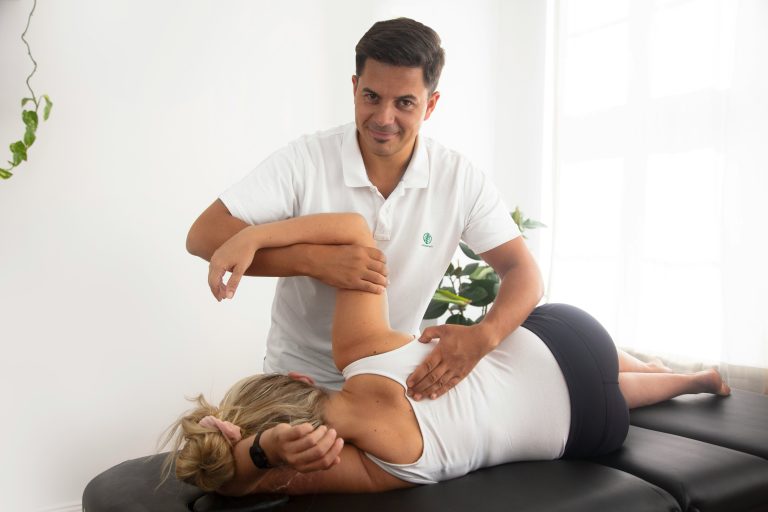
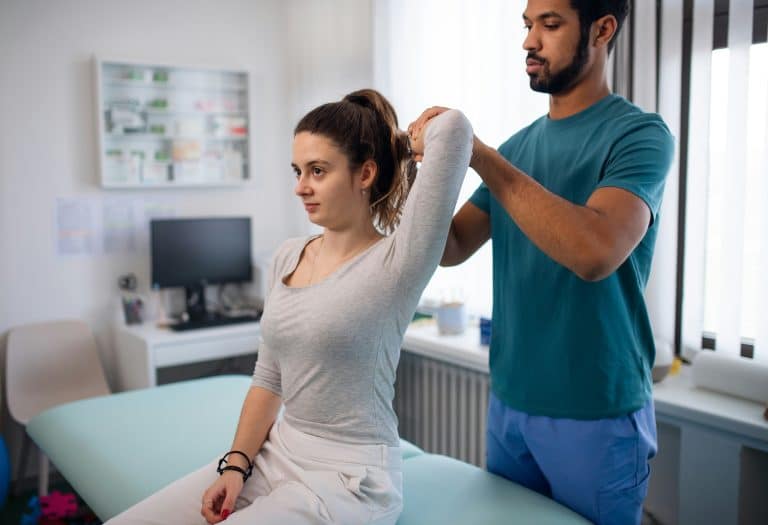
Physiotherapy
La physiotherapy plays a central role in recovery. It allows :
- improve spinal mobility
- reduce muscular tension
- strengthen the stabilising muscles in the back
- correct postural imbalances
An appropriate exercise programme helps prevent recurrences.
Osteopathy
L'osteopathy can also help relieve sciatica by working on mobility restrictions in the lumbar spine, pelvis and surrounding muscles.
The aim is to re-establish an overall mechanical balance in order to reduce the pressure exerted on the sciatic nerve.
Adapted physical activity
Contrary to popular belief, prolonged complete rest is not recommended. Progressive movement often helps to reduce pain and improve recovery.
Walking, mobility exercises and stretching can be beneficial when done correctly.

How can sciatica recurrence be prevented?
Once the pain has subsided, it is important to adopt certain habits to limit the risk of relapse.
The most effective measures include :
- maintain regular physical activity
- strengthen core muscles (abdominal and lumbar)
- improve posture at work
- avoid prolonged sitting
- learn to lift loads correctly
A healthy lifestyle also helps to reduce muscular tension and inflammation.
Sciatica: common but often reversible pain
Although the pain can be impressive, most cases of sciatica improve with appropriate treatment. Early diagnosis, combined with support from healthcare professionals such as a doctor, physiotherapist or osteopath, generally enables mobility and comfort to be gradually restored.
Taking care of your backStaying active and correcting postural imbalances are the best strategies for preventing sciatica from becoming a recurring problem.