The cruciate knee ligamentsin particular the anterior cruciate ligament (ACL)These are at the heart of many injuries, particularly among sportspeople. A rupture can occur during a pivot, a change of direction or an impact, and is accompanied by an immediate sensation of instability.
Beyond diagnosis, the key question for patients is this: how do you rehabilitate after a cruciate ligament injury? Appropriate care, under the supervision of a sports physiotherapistThis is the key to restoring a stable, functional knee and avoiding recurrence.
What are cruciate knee ligaments?
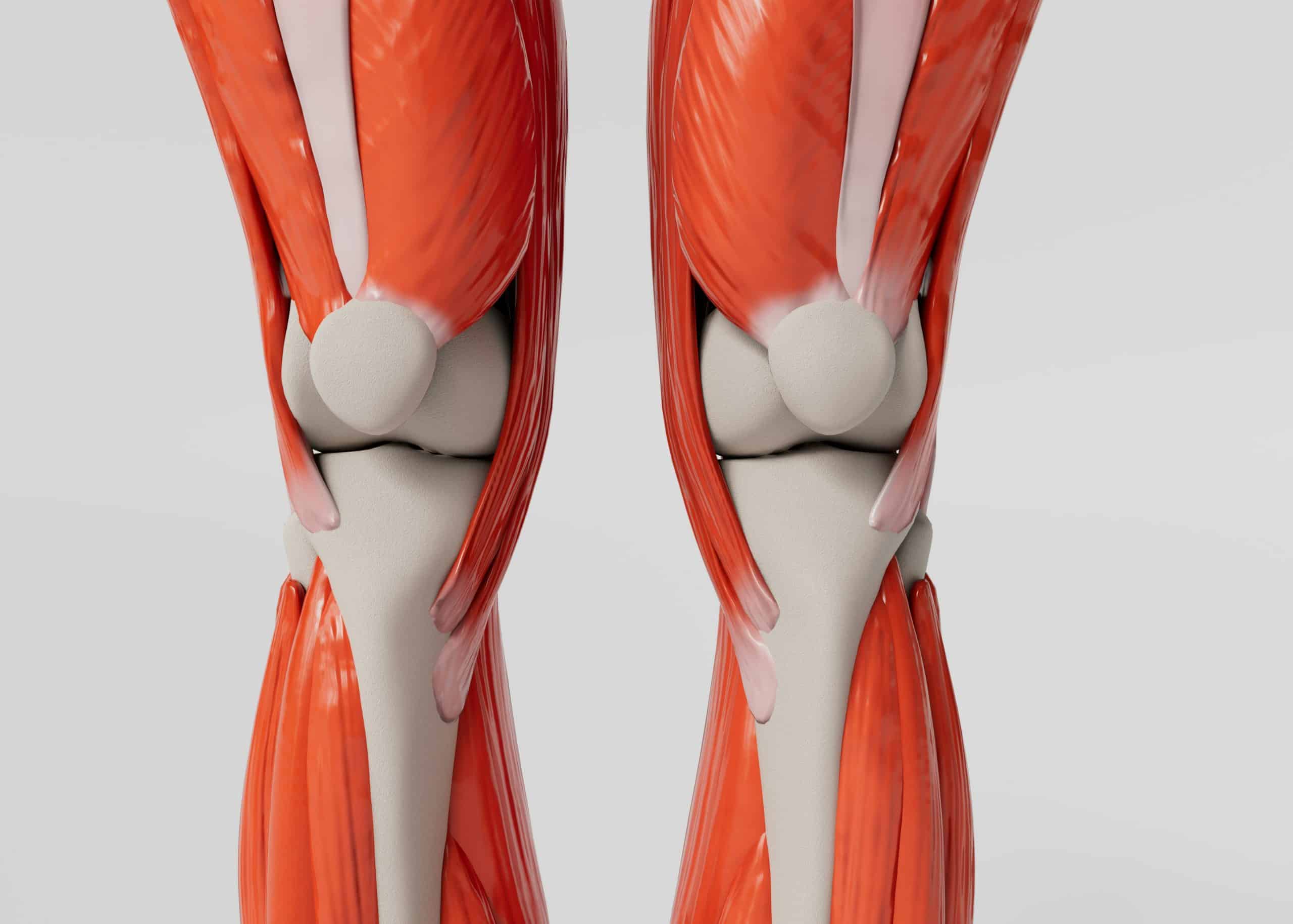
The knee is stabilised by a number of ligaments, two of which are essential in the centre of the joint:
- the anterior cruciate ligament (ACL)
- the posterior cruciate ligament (PCL)
Their role is to control the translational and rotational movements of the tibia in relation to the femur. The ACL, in particular, prevents the tibia from moving forward and stabilises the knee during dynamic movements.
Damage to these ligaments results in a loss of stability, making certain everyday or sporting activities difficult or even dangerous.
How does a cruciate ligament injury occur?
Rupture of the anterior cruciate ligament often occurs without direct contact. It is common in sports involving pivoting or rapid changes of direction.
The most common mechanisms are :
- a sudden pivot with the foot locked on the ground
- a rapid change of direction
- a poorly controlled jump landing
- a sudden stop
These situations create excessive stress on the ligament, which can then rupture partially or completely.
What are the symptoms of a cruciate ligament rupture?
Typical signs include:
- a "cracking" sensation at the time of injury
- immediate pain
- rapid swelling of the knee
- difficulty putting your foot down
- a feeling of instability, as if the knee were "giving out".
Over time, some patients regain acceptable mobility, but instability persists, particularly during sporting activities.
Is it always necessary to operate on a cruciate ligament?
Not necessarily. The choice between surgical and non-surgical treatment depends on several factors:
- age and level of activity
- type of sport practised
- degree of instability
- patient objectives
In all cases, rehabilitation is essentialwhether or not you opt for an operation.
Why is rehabilitation essential?
Cruciate ligament injury does not only affect the ligament itself. It also affects :
- the knee stabilising muscles
- neuromuscular coordination
- proprioception (perception of movement)
Without appropriate rehabilitation, there is a risk of :
- develop chronic instability
- compensate with other joints
- increase the risk of further injury
- promote premature wear of the knee
Rehabilitation aims to restore a functional, stable, high-performance knee.
Le rôle clé du sports physiotherapist
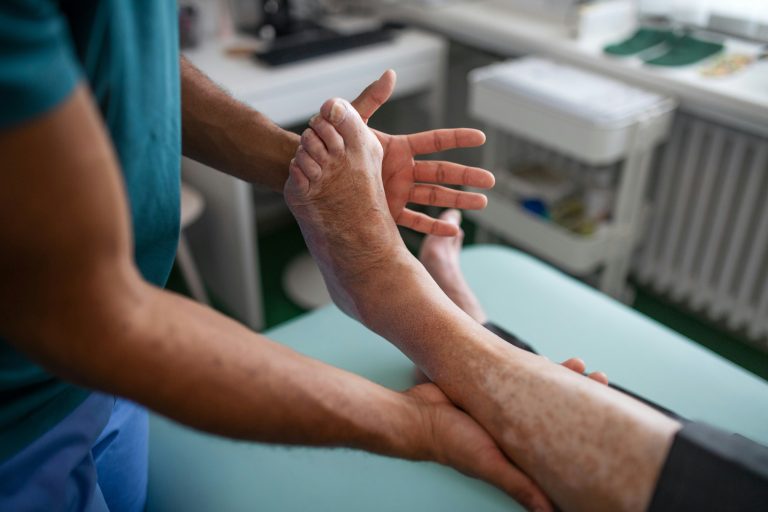
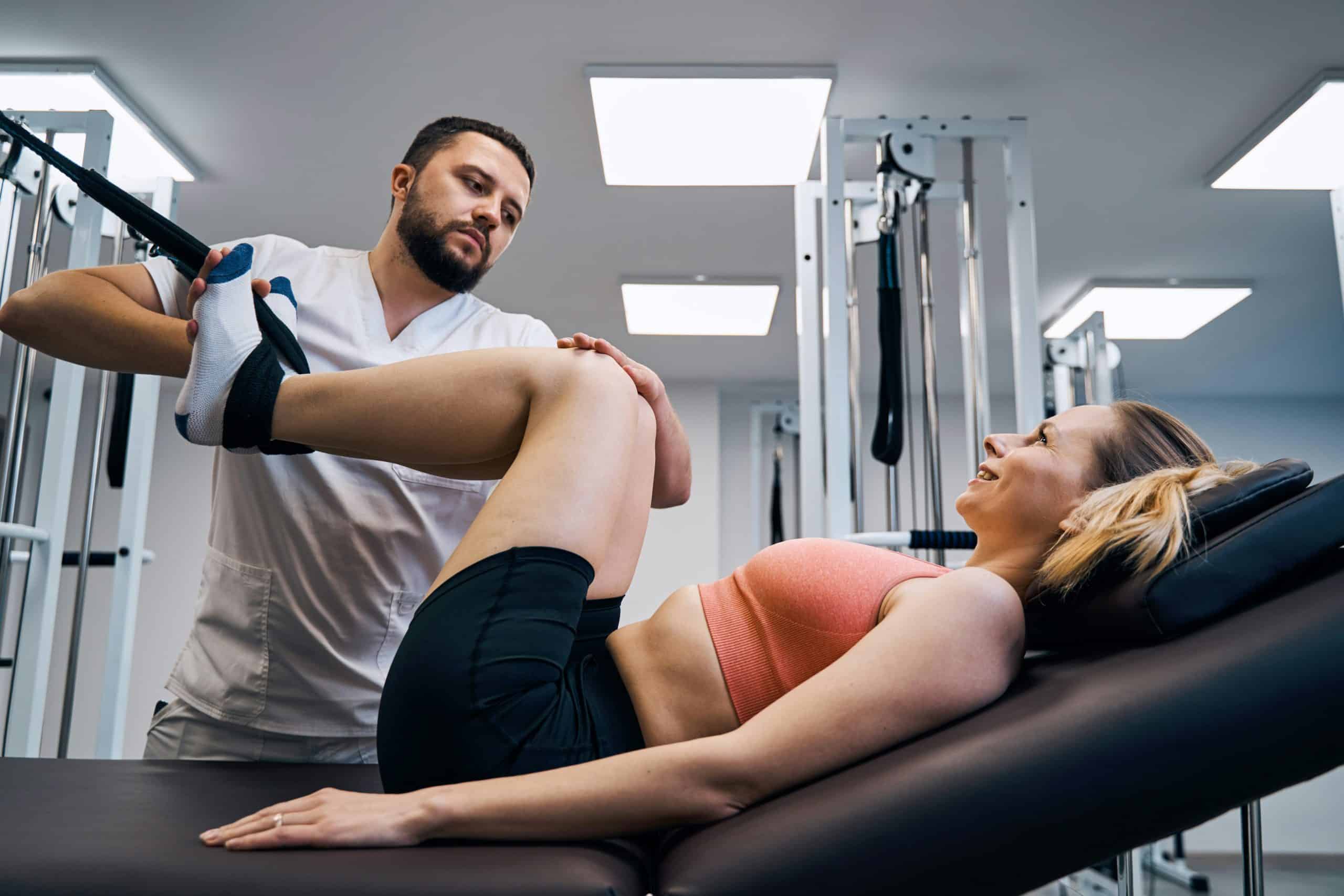
Le physiotherapist sport is a key player in recovery from cruciate ligament injury. He adapts the programme according to :
- the healing phase
- the type of treatment (surgical or non-surgical)
- the patient's level of sport
Treatment generally includes :
- work to recover joint amplitude
- a reinforcement progressive muscular
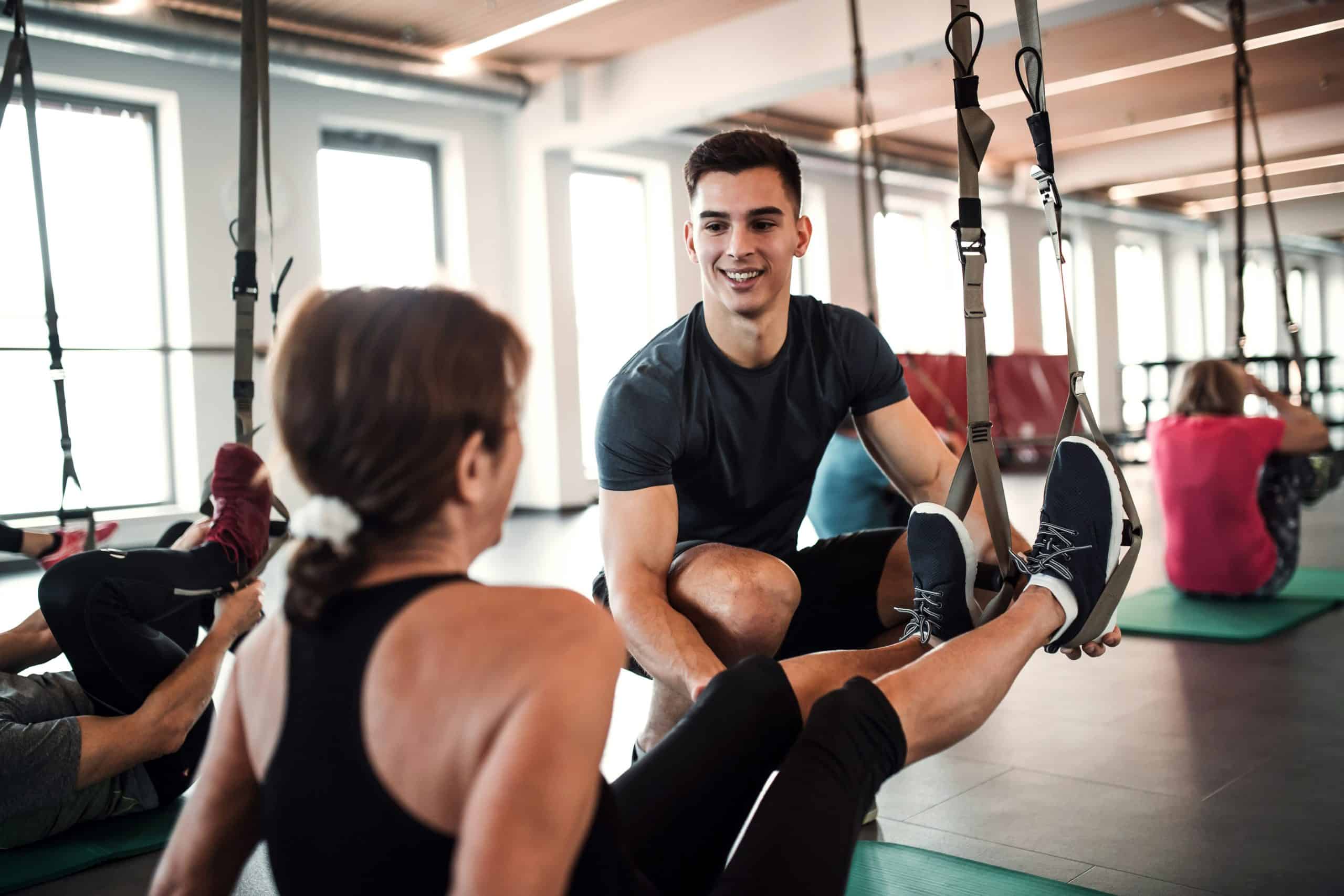
- stability and balance training
- a rehabilitation sporting gestures
Le suivi est progressif et structuré, avec des objectifs précis à chaque étape.
The main stages of rehabilitation
Rehabilitation after an ACL injury follows several phases:
Phase 1: Recovery of mobility and pain management
The aim is to reduce inflammation, restore full knee extension and return to normal walking.
Phase 2: muscle strengthening
Work focuses on the quadriceps, hamstrings and pelvic stabilisers.
Phase 3: proprioception and motor control
Patients learn to stabilise their knee in different situations, with balance and coordination exercises.
Phase 4: Resuming sport
Exercises specific to the sport being practised are gradually incorporated to prepare for a safe return.
The importance of proprioception in recovery
Proprioception is often neglected, even though it is essential. It enables the body to know where the knee is in space and to anticipate movements.
A proprioceptive deficit increases the risk of relapse. This is why rehabilitation includes :
- balance exercises
- controlled instabilities
- functional movements
This work is essential for a safe return to sport.
The complementary contribution of osteopathy
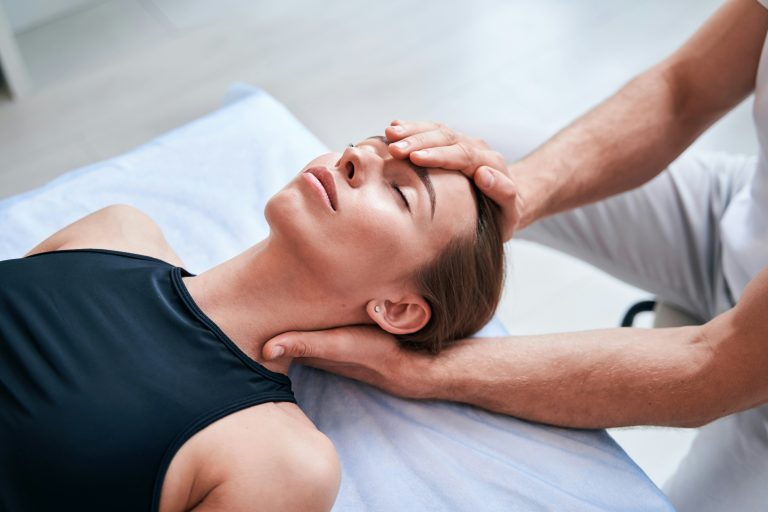
Osteopathy can be used as a complement to physiotherapy, in particular for :
- improve the mobility of the pelvis and spine
- reduce compensatory stress
- optimise overall recovery
It does not replace rehabilitation, but can improve its effectiveness.
How long does rehabilitation last?
The duration varies from case to case, but on average :
- 3 to 6 months for functional recovery
- 6 to 9 months before returning to intensive sport
It is essential not to rush things, even if the pain has disappeared.
How can I optimise my rehabilitation?
To maximise results:
- attend regular physiotherapy sessions
- do the exercises at home
- respect recovery times
- avoid taking up sport too early
- maintain a healthy lifestyle
Consistency and progress are the keys to success.
Cruciate ligaments: recovery possible with the right support
A cruciate knee ligament injury is impressive, but it is not inevitable. With well-managed rehabilitation, supervised by a sports physiotherapistIt is possible to return to a high level of activity and a stable knee.
The quality of follow-up makes all the difference. Investing in comprehensive, progressive and personalised re-education not only helps you to recover, it also helps to prevent future injuries.