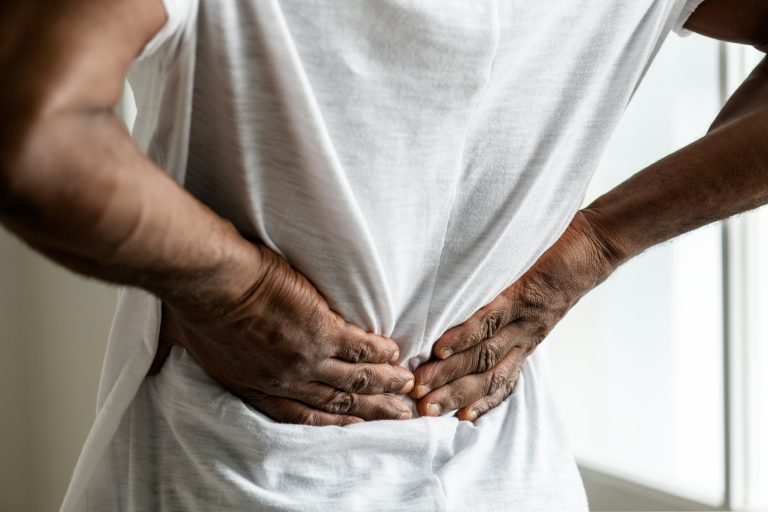
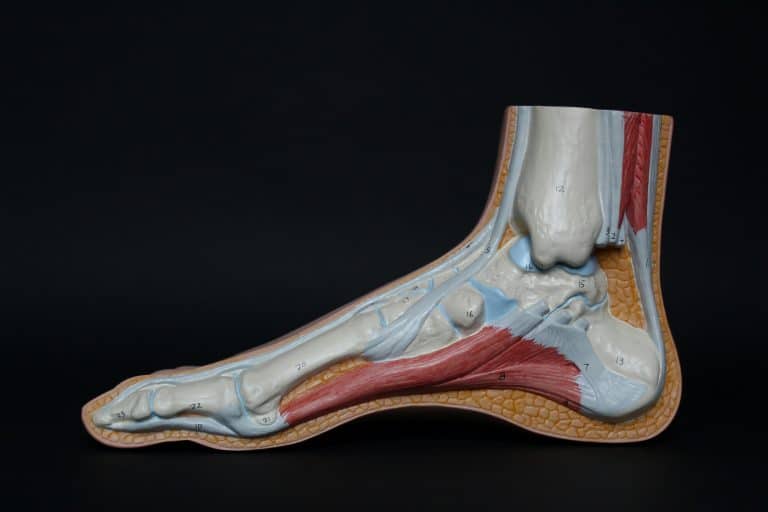
After a sports injury or a trauma (sprain, muscle tear, ligament rupture, tendonitis...), the priority is often to make the pain go away. But the real issue lies elsewhere: how to recover fully and avoid a relapse?
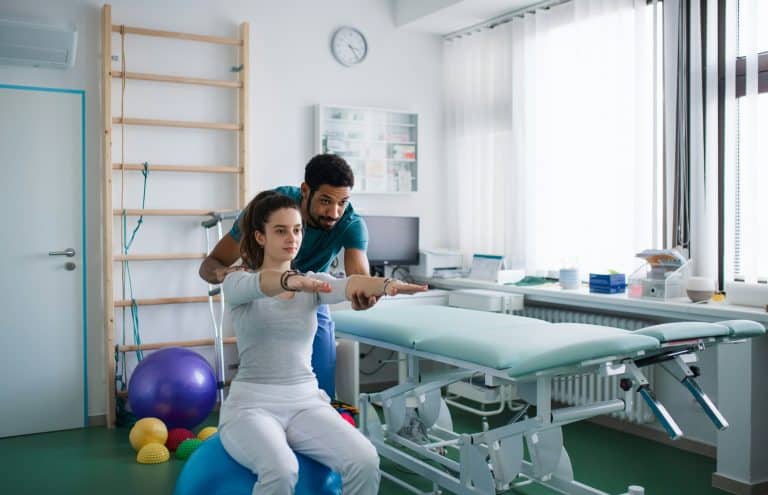
This is where the physiotherapist sporta professional specialising in rehabilitation functional sports for athletes and active patients. His role is not limited to relieving symptoms: he accompanies the complete reconstruction of movement, strength and confidence.
Why is rehabilitation essential after an injury?
An injury never just affects the painful area. It leads to a cascade of adaptations in the body:
- loss of muscle strength
- reduced joint mobility
- impaired coordination
- proprioception deficit (control of movement)
Even if the pain disappears, these imbalances persist. Without appropriate rehabilitation, they greatly increase the risk of recurrence.
When pain disappears, it does not mean that the body is ready to resume normal activity.
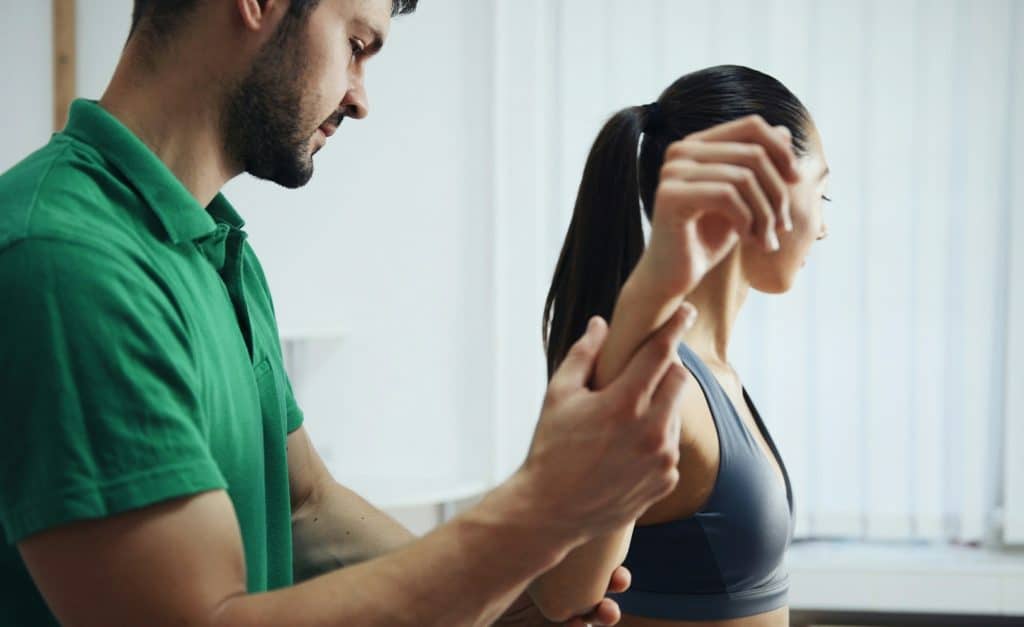
The specific role of the sports physiotherapist
Le sports physiotherapist has particular expertise in analysing movement and the physical constraints associated with the activity.
Its support is based on several pillars:
1. A precise and individual assessment
Every injury is different. The sports physiotherapist carries out a full assessment:
- joint amplitude
- muscular strength
- stability
- gestures specific to sport or everyday life
This analysis enables us to build a tailor-made programme.
2. Progressive, structured rehabilitation
Recovery follows precise stages, adapted to the body's rhythm:
- recovery phase (pain and mobility)
- muscle strengthening phase
- movement reprogramming phase
- functional recovery phase
Each stage is essential to avoid offsetting.
3. Work on proprioception
After an injury, the body "forgets" how to stabilise a joint correctly.
Le kiné du sport rééduque cette capacité grâce à :
- balance exercises
- situations of controlled instability
- functional movements
This work is key to preventing relapses.
Injury: why avoid resuming work too quickly?
One of the most common mistakes is to resume sport as soon as the pain subsides.
Without full recovery :
- the muscle remains fragile
- the joint lacks stability
- gestures are poorly controlled
Result: the risk of relapse is very highsometimes more serious than the initial injury.
A physiotherapist objectively assesses whether the body is ready to resume activity.
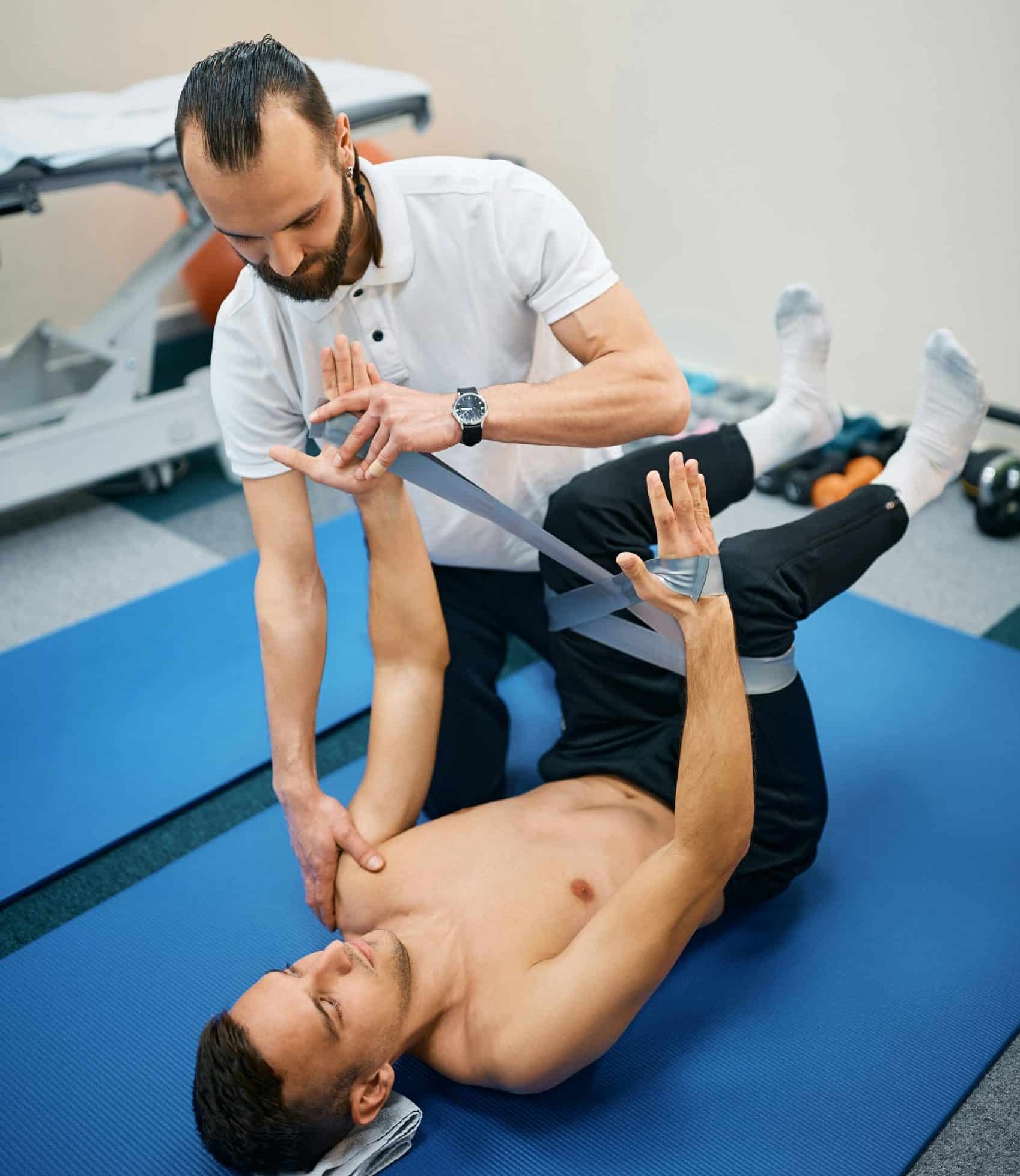
Quels types de blessures nécessitent un suivi en kiné du sport ?
Support is recommended for many situations:
- ankle or knee sprain
- cruciate ligament rupture
- muscle tear
- chronic tendonitis
- pain linked to excessive physical exertion
- post-operative recovery
But also for any persistent pain associated with physical activity.
The importance of a return to supervised sport
Returning to sport doesn't happen overnight. It has to be progressive, structured and secure.
The sports physiotherapist accompanies this phase with :
- exercises specific to the sport
- speed and coordination training
- simulations of sporting gestures
- a gradual increase in intensity
The aim is to restore performance while limiting risk.
A global approach the body
Sports physiotherapists do not just treat the injured area. They take the whole body into account:
- posture
- muscular balance
- kinetic chain (relationship between body segments)
- movement habits
This holistic approach enables the causes of the injury to be corrected, not just its consequences.
The patient's role in successful rehabilitation
The quality of recovery also depends on the patient's involvement. Physiotherapists often suggest :
- exercises to do at home
- recovery tips
- adjustments to sporting activities
Regularity and commitment are essential for lasting results.
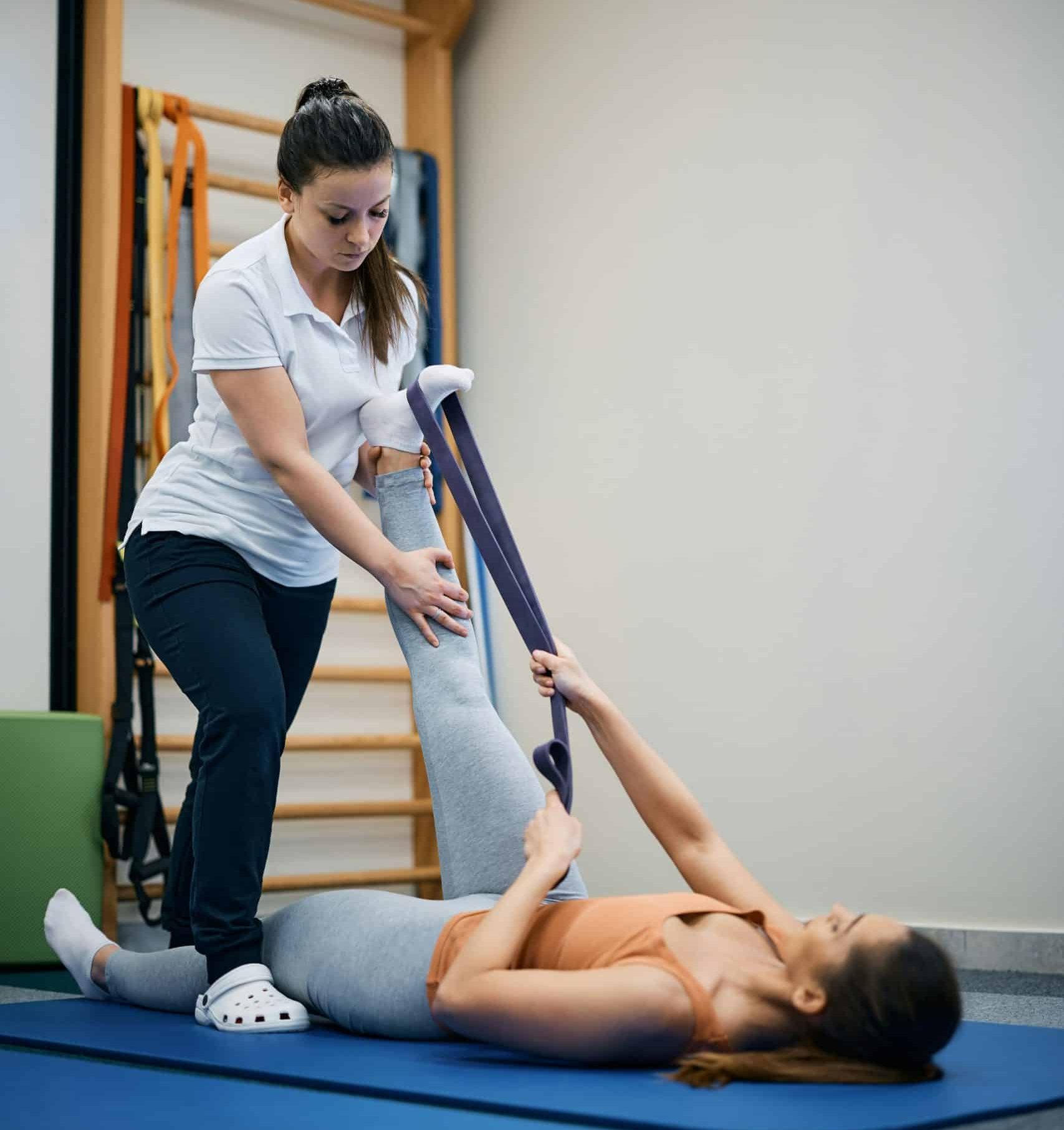
Kinésithérapie du sport et prévention des blessures
Au-delà de la rééducation, le kiné du sport joue un rôle clé dans la prévention :
- improving technical skills
- correction of muscular imbalances
- optimising posture
- adapted physical preparation
Regular monitoring helps to prevent injuries before they occur.
Conclusion: essential support for a lasting recovery
To be accompanied by a sports physiotherapist after an injury or trauma is to maximise your chances of making a full recovery, regaining your abilities and avoiding recurrence.
Beyond the treatment itself, it is a genuine process of rebuilding the body and movement. Proper follow-up not only helps you to heal, but also to come back stronger, more stable and more aware of your body.
Investing in quality rehabilitation means investing in yourself. long-term health.