Le bruxism Teething is a condition that is often discreet, sometimes unconscious, but the consequences can be very real. Grinding or clenching your teeth, day or night, may seem harmless at first. However, when this phenomenon takes hold, it can affect much more than the teeth. Your jaw, muscles, joints, sleep, posture and even your emotional state can all be affected. By understanding the effects of bruxism, we can take action earlier and avoid lasting complications.
What is bruxism?
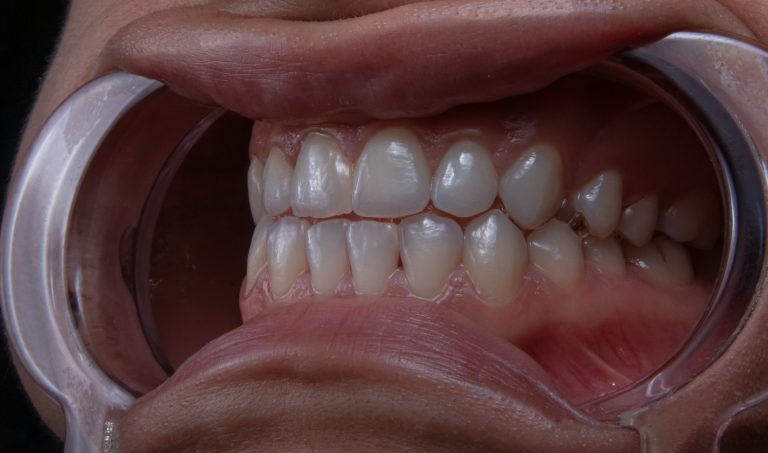
Bruxism is defined as involuntary clenching or grinding of the teethMost often during sleep, but sometimes during the day. It is generally associated with hyperactivity of the masticatory muscles and joint dysfunction temporo-mandibular (ATM).
There are many causes: stress, anxiety, sleep disorders, postural imbalances, dental occlusion problems or neck tension. Bruxism is therefore a disorder multifactorialrarely limited to a single organ.
The short-term consequences of bruxism
Pain in the jaw and facial muscles
One of the first signs is a sore or tired jaw in the morning. The masseter and temporal muscles are overworked, leading to stiffness, tension and widespread pain.
Headaches and headaches
The muscular tension caused by bruxism can radiate to the temples and skull, leading to headaches sometimes confused with migraines.
Tooth sensitivity
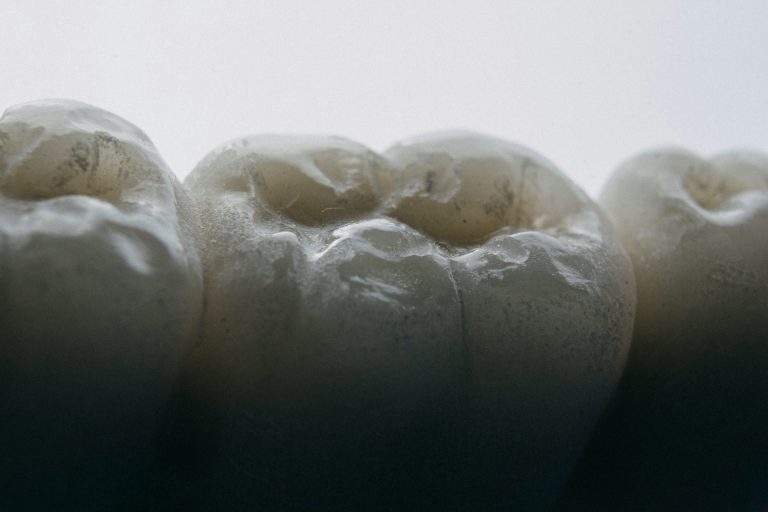
Repeated rubbing of the teeth weakens the enamel, which can cause hypersensitivity to heat, cold or chewing.
Sleep disorders
Nocturnal bruxism disrupts the quality of sleep, sometimes without the person being aware of it. Less restful sleep leads to fatigue, irritability and poor concentration.
The long-term consequences of bruxism
Premature wear of teeth
In the long term, squeaking leads to irreversible wear of the enameldental fissures, even fractures. This may require complex dental treatment (crowns, veneers, reconstructions).
Temporomandibular joint (TMJ) disorders
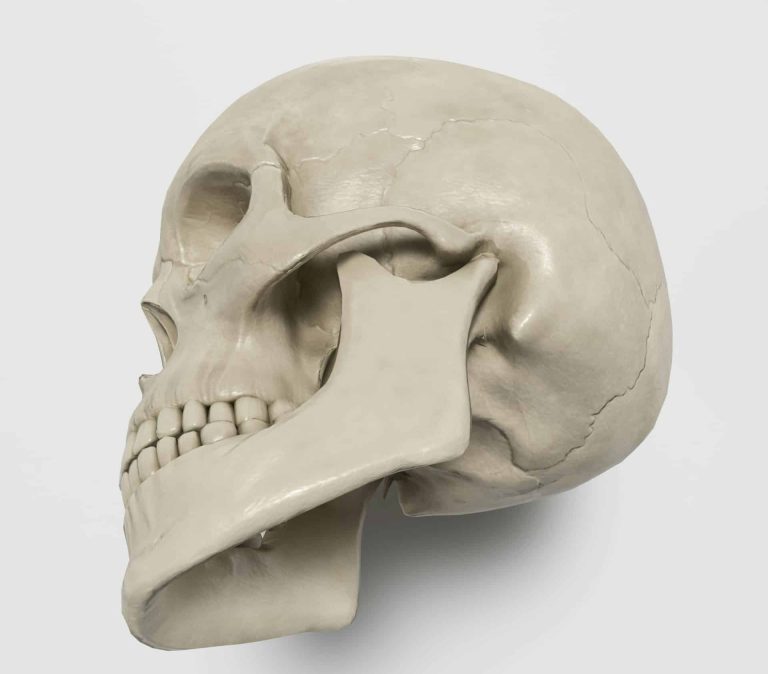
Bruxism puts excessive strain on the TMJ, which can cause clicking, locking, pain when opening the mouth and restricted movement.
Neck pain and posture
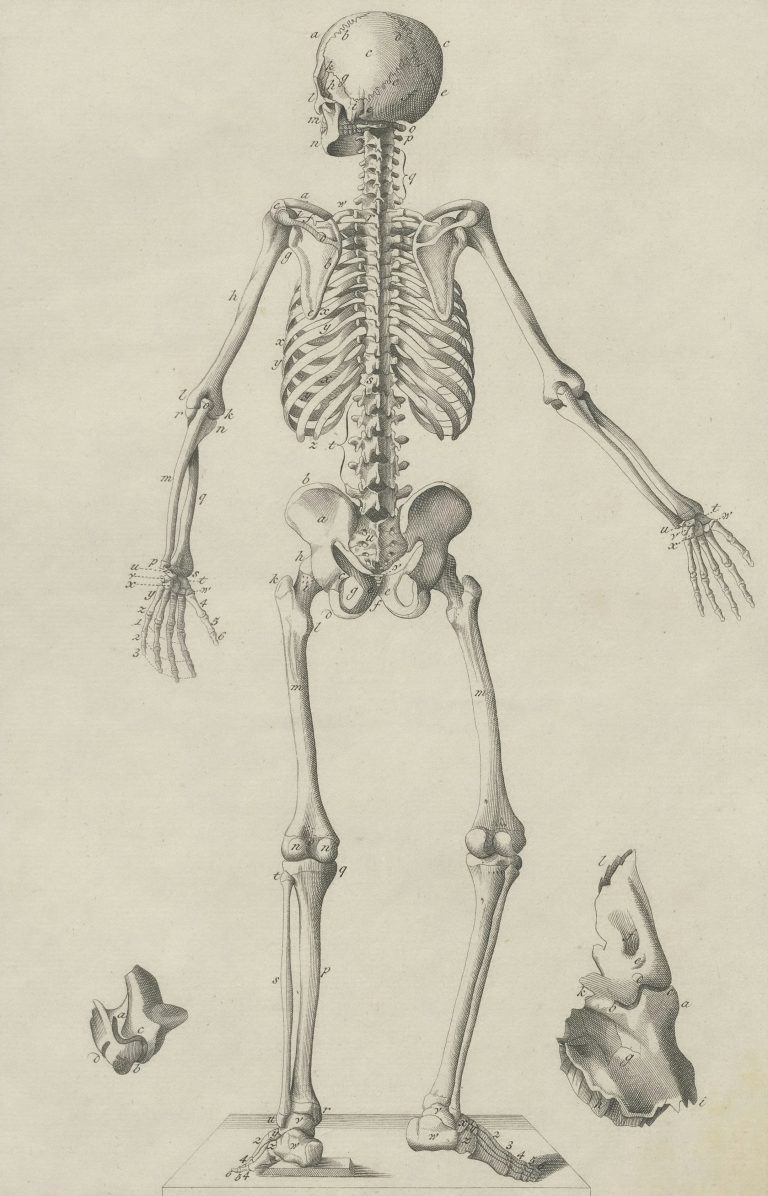
The jaw is intimately linked to the neck and posture. Chronic bruxism can lead to persistent neck pain, shoulder tension and posture problems. postural imbalance global.
Vertigo and functional ENT disorders
In some patients, maxillofacial tensions can disrupt the balance systems and cause sensations of vertigoblocked ears or tinnitus.
Psychological impact
The vicious circle of stress, bruxism and pain can fuel anxiety, generate mental fatigue and affect quality of life in the long term.
Why bruxism should not be trivialised
Bruxism is not just a dental problem. It is a the body's alarm signaloften revealing a more global imbalance. Without appropriate treatment, symptoms tend to worsen and multiply.
What can be done to limit the consequences of bruxism?
A global approach is essential. Depending on the case, treatment may include :
- a dental splint to protect your teeth,
- work on the stress management,
- care in maxillofacial physiotherapy to release muscular tension,
- a osteopathic support to correct postural and cervical imbalances,
- improved sleep hygiene.
Treating only the teeth without addressing the functional causes often limits long-term results.
Conclusion: act early to protect your health
The consequences of bruxism, whether immediate or progressive, can have a profound impact on everyday comfort. The earlier the disorder is treated, the simpler and more effective the solutions.
Identifying the signs, understanding the mechanisms and adopting a holistic approach not only helps to protect teeth, but also provides lasting relief from pain, improves sleep and restores general balance.