
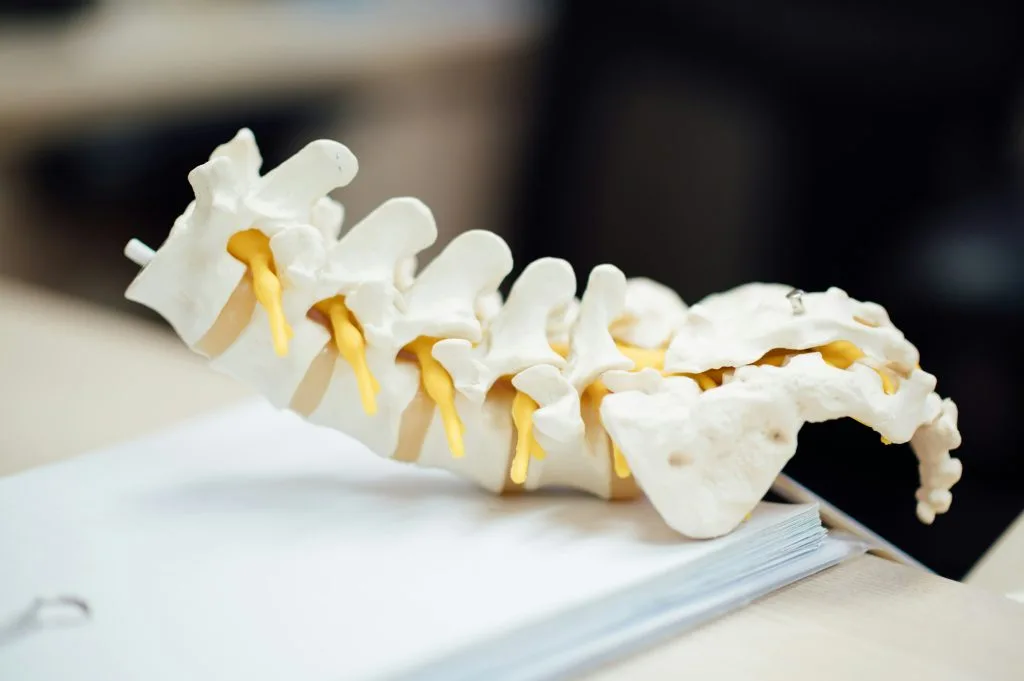
Herniated disc: what should you ask before rehabilitation?
A herniated disc can be worrying. Learn when symptoms need urgent care, what a scan can and cannot tell you, and how to prepare an assessment.
The words “herniated disc” can sound alarming, especially if pain travels from your back into a leg. A scan result is only one part of the picture: a clinician needs to compare it with your symptoms and examination. Many people can be supported without surgery, but that is an individual decision. Your immediate task is to recognise warning signs and arrive at an assessment with useful observations, not to select an exercise programme from a search result.
Which symptoms need urgent medical assessment?
If back pain comes with new numbness around the genitals or bottom, loss of bladder or bowel control, inability to pass urine, or major loss of feeling in one or both legs, seek emergency care immediately. A serious accident also needs urgent assessment. In Belgium, call 112 for an emergency. The NHS slipped-disc guidance lists these warning signs. Do not wait for a routine physiotherapy appointment or try to exercise through them.
For pain that is not an emergency, arrange medical review if it is worsening, if weakness develops, or if you have concerning symptoms such as fever or unexplained weight loss. New or changing symptoms deserve a fresh assessment even when you already have a disc diagnosis.
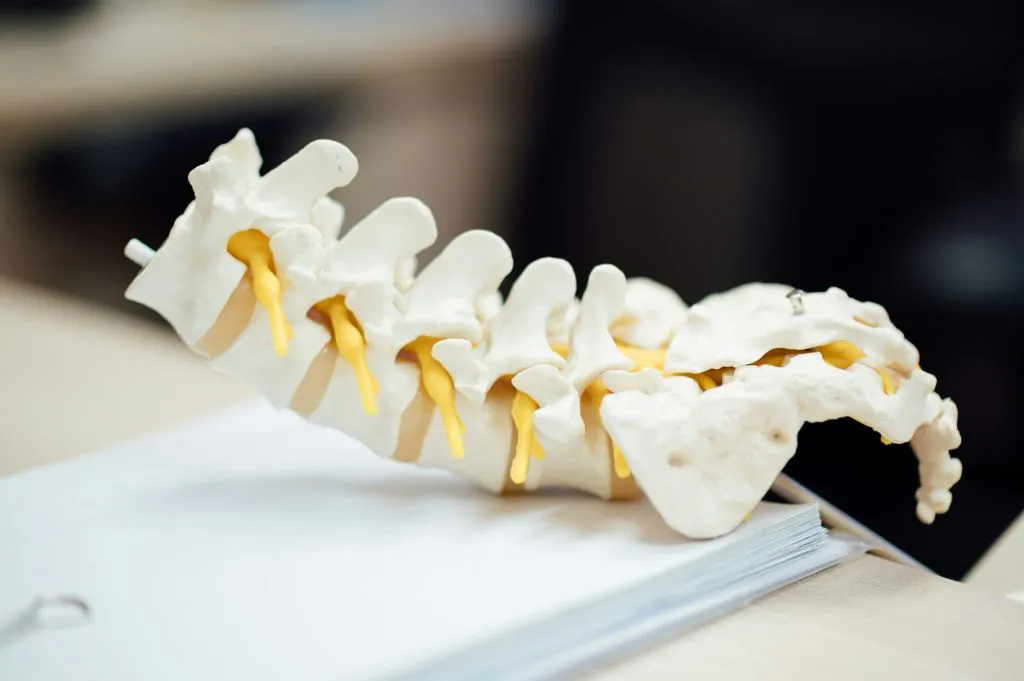
What information helps at the first appointment?
Note when the pain started, whether it travels below the knee, and any changes in sensation, strength or walking. Describe the activities that are now difficult, what you can still do and how the symptoms vary through the day. Mention previous episodes, medicines, relevant health conditions and any imaging report you already have. Bring the report if available; you do not need to arrange a scan on your own before being assessed.
The NICE guideline for low back pain and sciatica advises against routine imaging in non-specialist care. Imaging is considered in specialist settings when the result is likely to change management. That is why “I need an MRI before anything else” is not the right answer for every person with back pain.
What might rehabilitation involve?
An assessment can distinguish what is tolerated now from the activities you want to regain. Advice may include continuing suitable daily activity and a progressively adapted movement or exercise plan. The plan should take account of your symptoms, work, preferences and response over time. The NICE guidance considers manual therapy only as part of a broader package that includes exercise; it does not support a stand-alone “disc pushed back into place” claim.
A physiotherapist such as Mattéo Cattez can discuss movement goals after an assessment. If sport is central to your return, Ysaline Colpaert’s profile describes her sports and running focus. A clinician may advise medical review if the pattern does not fit routine rehabilitation.

Ask what findings support the working diagnosis, which activities to keep or modify, what changes would require urgent review and how progress will be judged. There is no fixed number of sessions or guaranteed recovery date. You can also read about general physiotherapy at Rebalance before choosing a profile.
Sources
- NHS, “Slipped disc”: symptoms, medical assessment and emergency signs.
- NICE, “Low back pain and sciatica in over 16s”: imaging, activity and treatment options.
Updated .