When you think of physiotherapyWhen we think of physiotherapy, we spontaneously imagine rehabilitating a knee, strengthening a shoulder or treating back pain. However, a lesser-known but extremely valuable branch of the profession is concerned with the face, jaw, neck and the entire orofacial sphere: maxillo-facial physiotherapy.
This speciality, which requires advanced training, treats patients suffering from jaw joint pain, swallowing disorders and neurological sequelae, as well as migraines, tinnitus and facial paralysis.
The objective is simple but of major importance: restoring comfort, mobility and quality of life to patientsThis is an area of the body where the slightest discomfort can quickly become disabling.
1. Treatment of jaw pain (TMJ) and mouth opening disorders
One of the main reasons for consulting a maxillo-facial physiotherapist is to treat the following conditions temporomandibular joint (TMJ) disorders.
This joint, located just in front of the ear, is used to open the mouth, chew, speak and swallow. When it malfunctions, the symptoms can be numerous:
- jaw or ear pain,
- creaks and pops,
- difficulty opening your mouth wide,
- muscle tension and fatigue,
- associated neck pain.
The causes are varied: bruxismStress, poor posture, trauma, dental surgery, disturbed occlusion or muscular hyperactivity.
Le maxillo-facial physiotherapist works on the musculature, joint mobility and cervical posture, as well as lifestyle habits (breathing, swallowing, clenching the teeth).
This highly refined approach helps to improve mouth opening, reduce pain and restore fluid movement to the jaw.
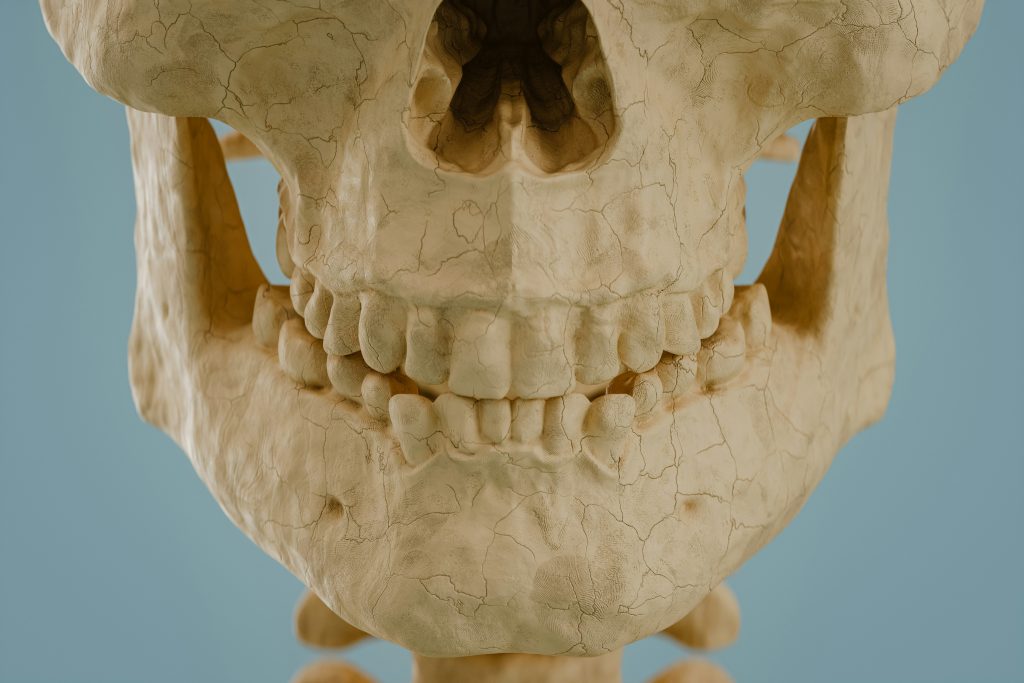
2. Management of bruxism and its consequences
Le bruxism - teeth grinding or clenching - is now on the increase, particularly as a result of stress, anxiety, screens or sleep disorders.
It causes extreme tension in the masticatory muscles, sometimes comparable to permanent cramps.
Maxillofacial physiotherapy helps to :
- relax the masseter, pterygoid and temporal muscles,
- reduce pain radiating to the temple, neck or shoulders,
- re-educate the mandibular resting posture,
- reduce facial fatigue and associated headaches.
Combined with a gutter (if necessary), it forms a a comprehensive, scientifically validated strategy to reduce the symptoms of bruxism over the long term.
3. Rehabilitation after jaw or facial surgery
After orthognathic, maxillofacial, ENT or dental surgery, the jaw may lose mobility and the tissues may remain tense, painful or oedematous.
Maxillofacial physiotherapy therefore plays a decisive role in :
- regain a correct mouth opening,
- reduce muscular and scar adhesions,
- reduce post-operative oedema,
- accelerate functional recovery,
- reharmonise facial movements.
This stage is often underestimated, even though it determines a large part of the final result of the surgery.
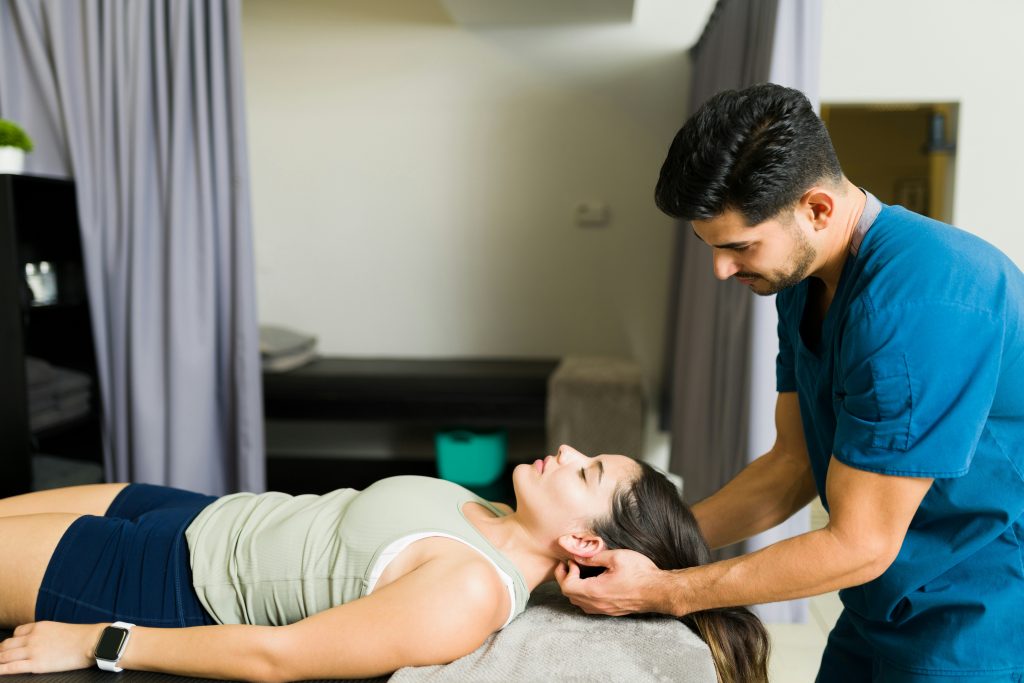
4. Management of facial paralysis and neurological disorders
A facial paralysis - due to a shinglesThis can be caused by a number of factors, such as a viral infection, trauma or neurological deficit, which can have a major impact on daily life: facial asymmetry, eyes that no longer close, difficulty smiling, loss of mobility in the mouth.
The role of maxillo-facial physiotherapist is essential here, thanks to :
- targeted muscle reactivation exercises,
- prevention of compensations (synkinesias),
- manual stimulation techniques,
- patient, progressive work on smiling, pronunciation and facial expression,
- psychological support during an often difficult period.
Research clearly shows that early rehabilitation improves functional prognosis and reduces after-effects.
5. Treatment of swallowing and orofacial breathing disorders
Atypical swallowing, difficulty swallowing, lingual tension or imbalances in mouth breathing can have consequences for posture, jaw, teeth or phonation.
Le maxillo-facial physiotherapist help with :
- re-educate the language,
- normalise the orofacial musculature,
- learn functional swallowing,
- improve breathing and oral posture.
This is a key area for children, but also for adults following surgery, orthodontics or ENT treatment.
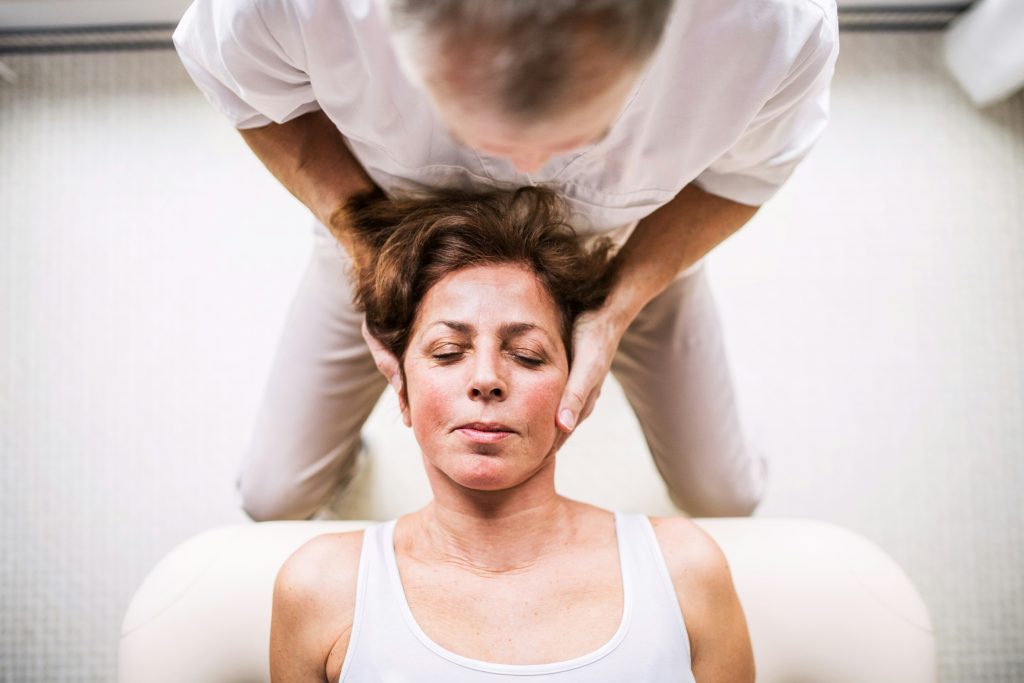
6. Migraines, headaches tension and associated neck pain
The cranial sphere is closely linked to the jaw and neck.
A hypertonic muscle, a tight jaw or a slumped posture can cause :
- migraines,
- tension headaches,
- pain around the eye or temple,
- feeling of a heavy head.
Maxillofacial physiotherapy then acts on muscle relaxation, cervical posture, breathing, joint decompression and facial tension, offering significant and lasting relief.
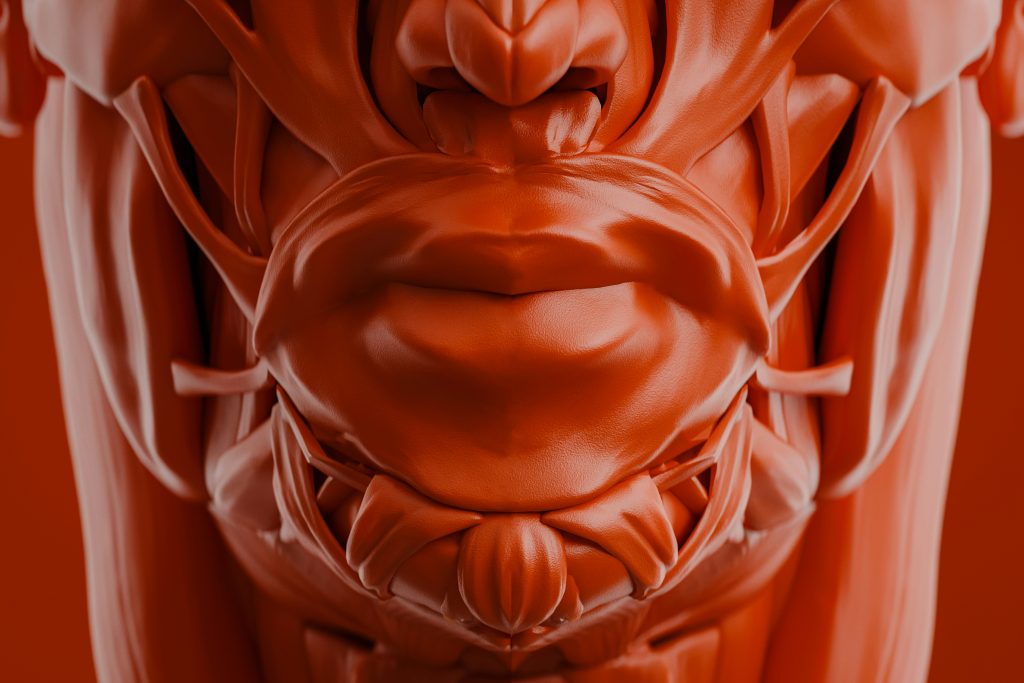
Conclusion: an essential speciality for an area of the body that is all too often neglected
La maxillofacial physiotherapy is for anyone suffering from jaw pain, swallowing problems, migraines, facial tension, bruxism, the after-effects of surgery or facial paralysis.
Thanks to its highly specialised expertise, it offers concrete, scientifically validated solutions to restore function and improve everyday comfort.
In our medical centreThis approach is often integrated into a multidisciplinary work - osteopaths, physiotherapists, doctors and dentists - to offer every patient a comprehensive comprehensive, human and personalised support.