A dental operation, whether it's an extraction, implant placement, wisdom teeth surgery or orthodontic treatment, doesn't stop at the dentist's chair. The post-operative phase plays a decisive role in the quality of healing, functional recovery and the prevention of persistent pain. Depending on the type of procedure performed and the symptoms experienced, several specialists can provide complementary support to help the patient make a full recovery.
Why is follow-up care important after dental surgery?
After dental surgery, the body has to adapt to sometimes significant local changes. These adaptations are normal, but when they persist, they can lead to lasting functional problems, particularly in the jaw, neck or head.
The most frequently observed problems are :
- prolonged tissue inflammation
- a change in occlusion (contact between the teeth)
- muscle tension in the jaw and face
- neck pain or headaches secondary
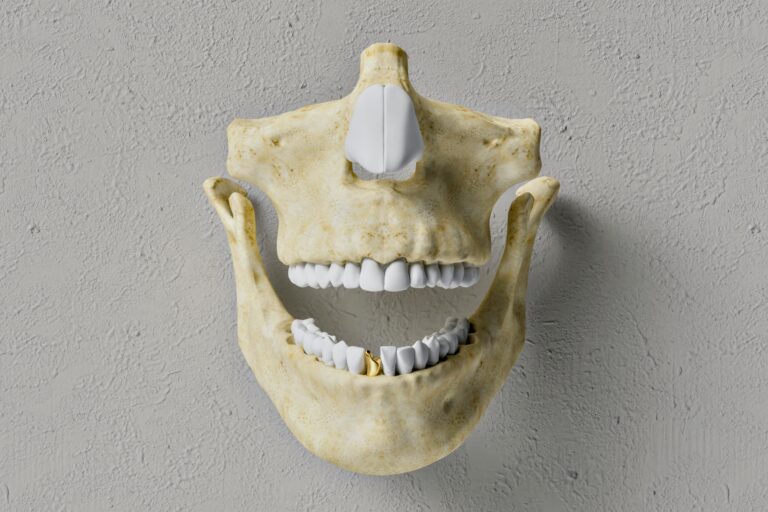
- disorders the temporomandibular joint (ATM)
Appropriate monitoring helps to anticipate these complications and optimise recovery.
The dentist or dental surgeon: the cornerstone of aftercare
The dentist or dental surgeon remains the main point of contact after any operation. He or she will check that the wound is healing, that there is no infection and that the pain is progressing favourably. He or she also adapts the treatment if necessary and decides when it is time to resume normal chewing or additional treatment.
Its role is essential for :
- monitor post-operative progress
- adjust drug treatments
- early detection of local complications
- refer to other professionals if necessary
The general practitioner: a global vision of recovery
When symptoms go beyond the oral sphere, the general practitioner provides a more global approach. It assesses the patient's general condition, takes account of medical history and ensures coherent coordination of care.
In particular, it can be involved in :
- adapt analgesics or anti-inflammatories
- monitor general reactions (fatigue, fever, persistent inflammation)
- referral to paramedical specialists
- monitor patients at risk (chronic illnesses, fragile immunity)

Le maxillo-facial physiotherapist Restoring jaw function
After certain dental procedures, the jaw may become stiff, painful or lose its range of movement. Visit maxillofacial physiotherapy plays a key role in functional recovery.
In particular, the treatment aims to :
- improve the opening and mobility of the mouth
- reduce facial and cervical muscle tension
- restore fluid, pain-free chewing
- prevent chronic health problems ATM
This rehabilitation is particularly indicated after complex extractions, jaw surgery or intensive orthodontic treatment.
The osteopath A comprehensive approach to post-operative stress
Osteopathy is used as a complement when dental surgery has repercussions on the body's overall balance. A change in occlusion or prolonged jaw tension can affect posture, cervical mobility and even breathing.
The osteopath can act on :
- the cervical vertebrae and the base of the skull
- deep muscle tension in the face and neck
- balance postural global
- compensations that appear after the operation
This holistic approach is particularly useful in cases of diffuse pain or feelings of imbalance.
The orthodontist: adjusting occlusion over the long term
When dental work permanently alters the alignment of teeth, orthodontic follow-up may be necessary. An unbalanced occlusion can lead to tension in the mandible and encourage TMJ disorders.
The orthodontist intervenes for :
- rebalance dental contacts
- improve masticatory function
- reduce stress on the jaw
- prevent painful recurrences in the long term
ENT: in the event of associated symptoms
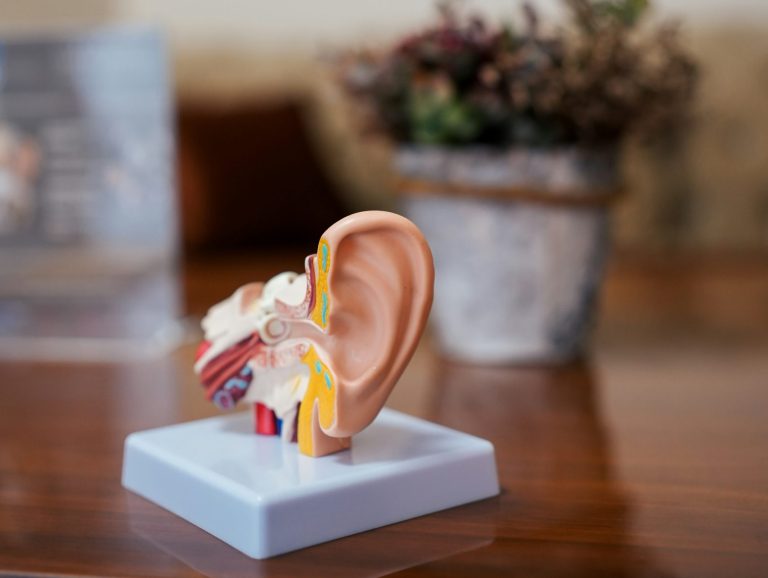
In certain situations, the after-effects of dental surgery can be accompanied by ENT symptoms. Ear pain, dizzinessAny other symptoms, such as a blocked ear or sinusitis, may require specialist advice.
An ENT consultation is recommended in cases of :
- pain radiating towards the ear
- balance or hearing problems
- persistent sinus congestion or pain
- doubt that neighbouring structures are affected
Coordinated care for optimum recovery
Recovery from dental surgery rarely relies on a single professional. It is the complementary nature of our expertise that ensures effective and lasting care.
A coordinated approach allows :
- faster pain relief
- full functional recovery
- prevention of chronic disorders
- a lasting improvement in quality of life
When should you seek medical advice after dental surgery?
It is advisable not to wait if certain signs persist or appear after treatment. Taking charge Early treatment often prevents the onset of chronic pain.
Consult your doctor immediately in the event of :
- persistent pain lasting more than a few weeks
- lasting limitation of mouth opening
- headaches or unusual neck pain
- functional impairment in daily life
In short, aftercare after dental surgery is much more than just an oral and dental issue. Identifying the right specialists and consulting them at the right time helps to ensure a safe recovery, prevent complications and restore lasting comfort.