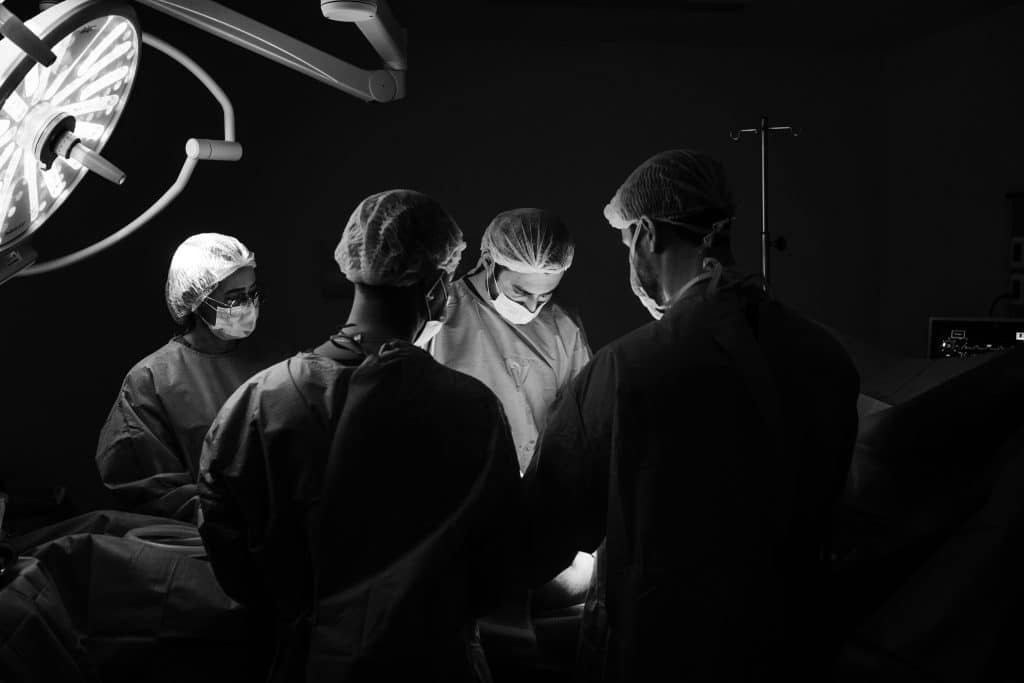
A surgical operation, whether orthopaedic, abdominal, gynaecological or other, may be necessary. maxillofacialA successful operation does not end in the operating theatre. In fact, the success of an operation depends to a large extent on the quality of the post-operative support and rehabilitation provided afterwards.
Too many patients think that "everything is sorted out" once surgery has been performed. Yet it is often in the weeks that follow that the real recovery takes place: mobility, strength, independence, prevention of chronic pain... Structured, personalised follow-up makes all the difference.
Why is post-operative support so important?
After surgery, the body goes through several phases: inflammation, healing, tissue adaptation and muscle reorganisation. This is a sensitive period. Without appropriate supervision, there is a risk of developing :
- from joint stiffness
- persistent pain
- scar adhesions
- postural compensation
- loss of muscle strength
Surgery corrects a structural problem. Rehabilitation restores function.
High-quality post-operative support not only enables you to recover more quickly, but above all to recover better. The aim is not just to eliminate pain, but to restore fluid, stable and lasting movement.
Which specialists should be consulted after surgery?
Follow-up depends on the type of operation, but several health professionals can work together to optimise recovery.
The surgeon: the medical referent
The surgeon monitors the healing process, checks that there are no complications (infection, haematoma, poor consolidation) and gives precise instructions for resuming activity. He validates the various stages of recovery.
The general practitioner: overall coordination
Le general practitioner plays a key role in coordinating the care pathway. He or she adapts pain relief treatments, monitors general condition and guides the patient in the right direction. to specialists adapted if necessary.
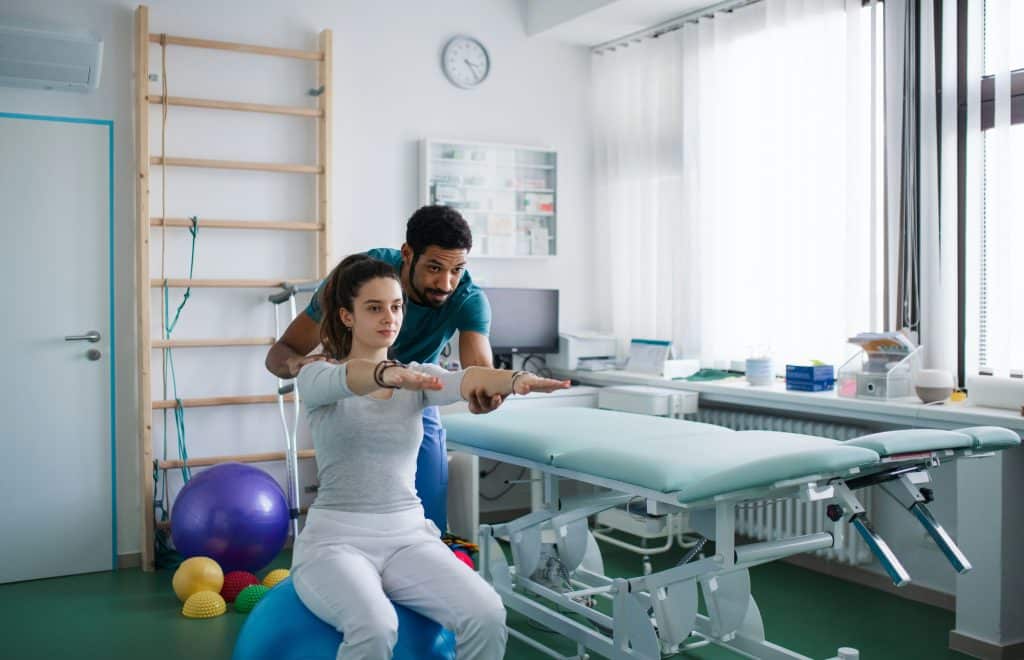
Le physiotherapist The pillar of post-operative rehabilitation
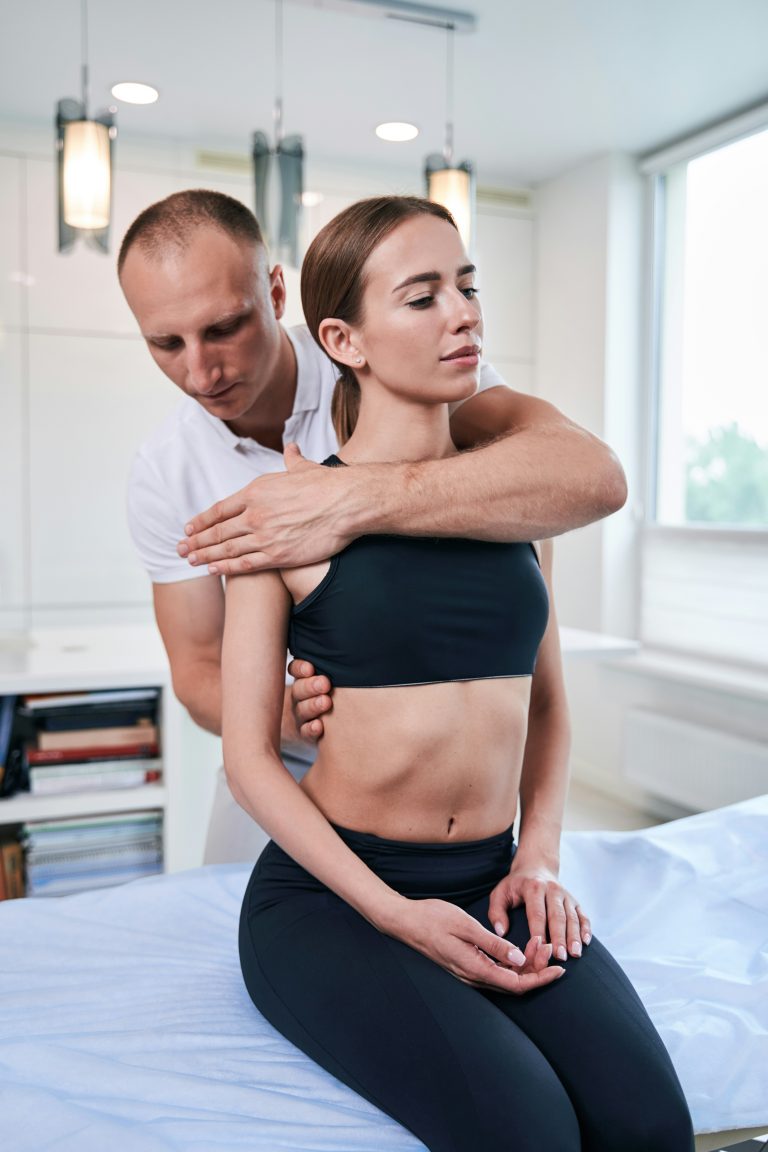
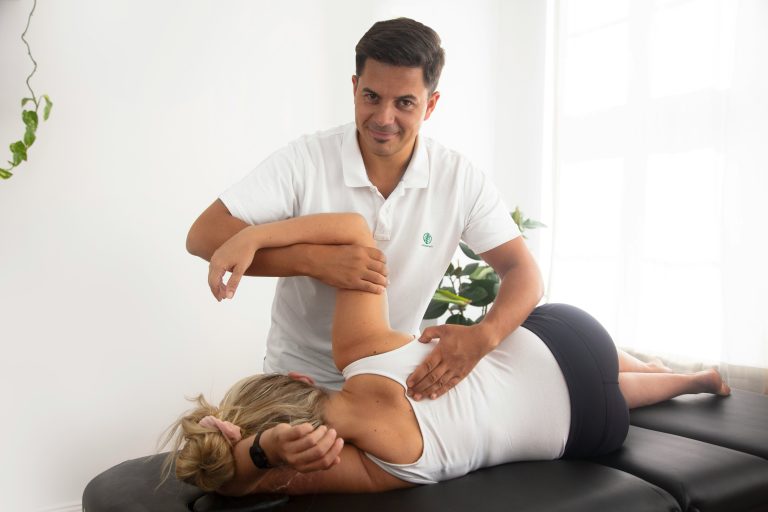
In the majority of surgeries, particularly orthopaedic surgery, physiotherapy is essential. It enables:
- recover joint amplitude
- gradually strengthen muscles
- relearn certain gestures (walking, climbing stairs, carrying a load)
- limit pain and residual inflammation
- avoid compensations that could lead to further pain
Rehabilitation is not limited to mechanical exercises. It is progressive, personalised and adapted to each stage of the healing process.
The osteopath complementary work
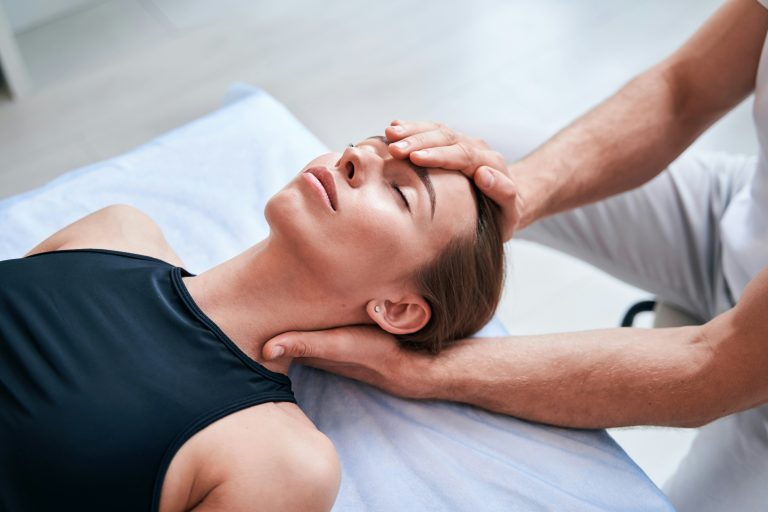
For persistent tension, diffuse pain or postural imbalances, osteopathy can be used as a complement. The aim is to improve the body's overall mobility and prevent compensations from becoming permanent.
Occupational therapists: regaining independence in everyday life
After major or disabling surgery, the occupational therapist helps to adapt daily activities and the environment (work, home) to facilitate a safe resumption of activities.
What are the key stages in recovering from surgery?
Effective post-operative recovery is based on a number of fundamental principles:
- scrupulously comply with medical instructions
- resume movements gradually
- avoid unjustified prolonged immobilisation
- carry out the prescribed exercises at home
- maintain a protein-rich diet to support wound healing
- watch for warning signs (fever, redness, unusual pain)
Regularity is more important than intensity. It's not the "hardest" session that gives the best results, but constant, supervised progress.
Why insist on full rehabilitation?
A common mistake is to stop rehabilitation as soon as the pain subsides. However, the disappearance of pain does not mean that the tissues have completely consolidated or that muscle strength has returned to its initial level.
Incomplete rehabilitation can lead to :
- a lasting loss of mobility
- persistent muscle weakness
- an increased risk of recidivism
- the appearance of chronic pain
- premature wear of joint structures
Comprehensive rehabilitation aims to achieve functional performance, not just the disappearance of symptoms. It ensures a safe return to sport, work or demanding daily activities.
What is the difference between a patient who is being monitored and one who is not?
In the short term, the difference may seem minimal. But over several months, or even years, it becomes obvious.
A well-supported patient generally recovers :
- improved mobility
- appropriate muscle strength
- optimum quality of movement
- less residual pain
- a quicker return to work
Conversely, a patient with little or poor follow-up risks :
- persistent stiffness
- compensatory pain (back, neck, other joints)
- incomplete recovery
- increased vulnerability to further injury
Post-operative rehabilitation is therefore not an option. It is an integral part of the surgical treatment.
Post-operative support: an investment in your future health
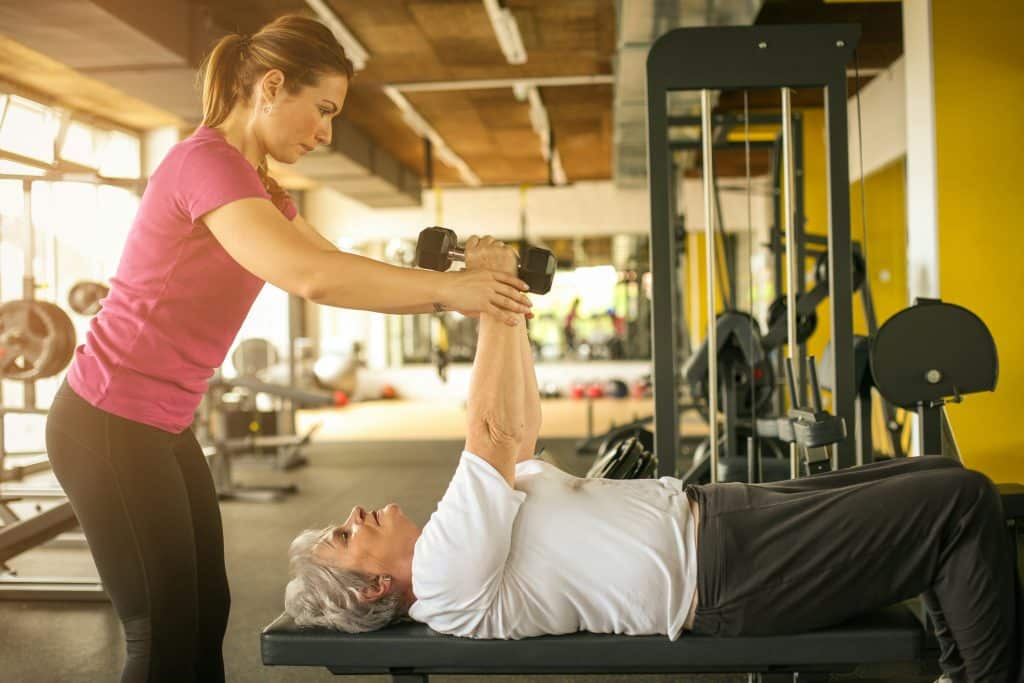
It is a mistake to regard rehabilitation as a mere formality. It is the natural extension of surgery. It transforms a technical correction into a genuine return to function.
Properly conducted post-operative support enables :
- optimise the results of surgery
- reduce the risk of complications
- prevent pain from becoming chronic
- sustainably improve quality of life
Taking the time to follow a complete, personalised and progressive re-education programme maximises your chances of regaining confidence in your body and avoiding long-term problems.
Surgery heals.
Rehabilitation consolidates.
Post-operative support guarantees lasting results.