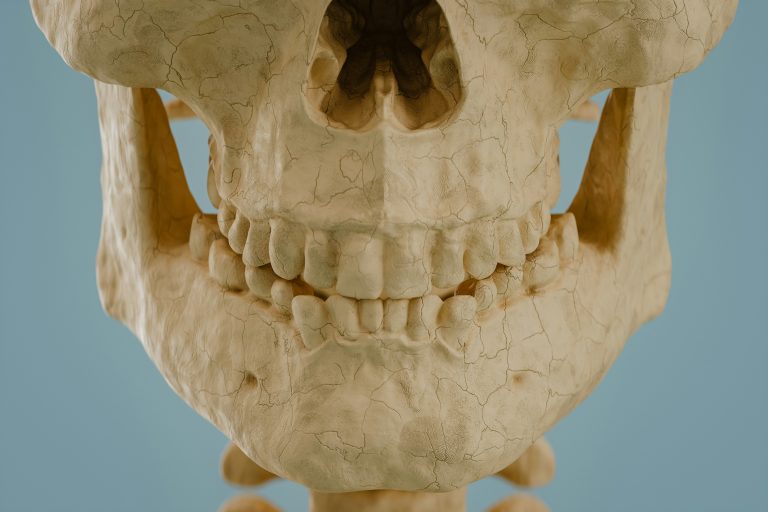
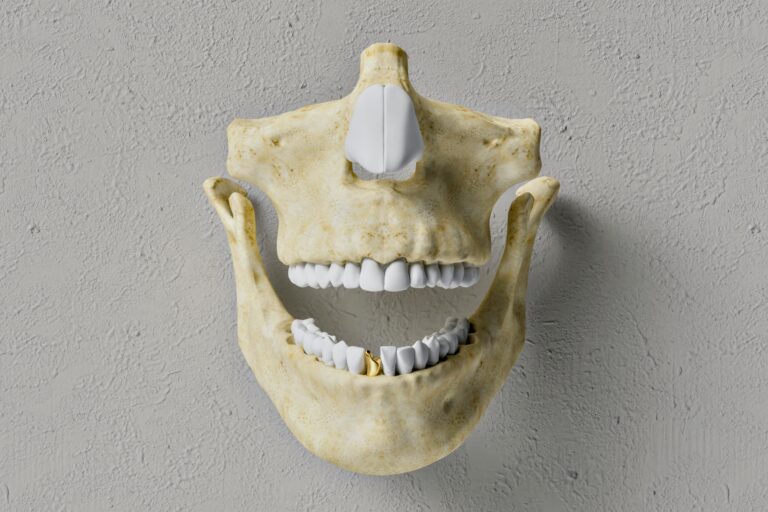
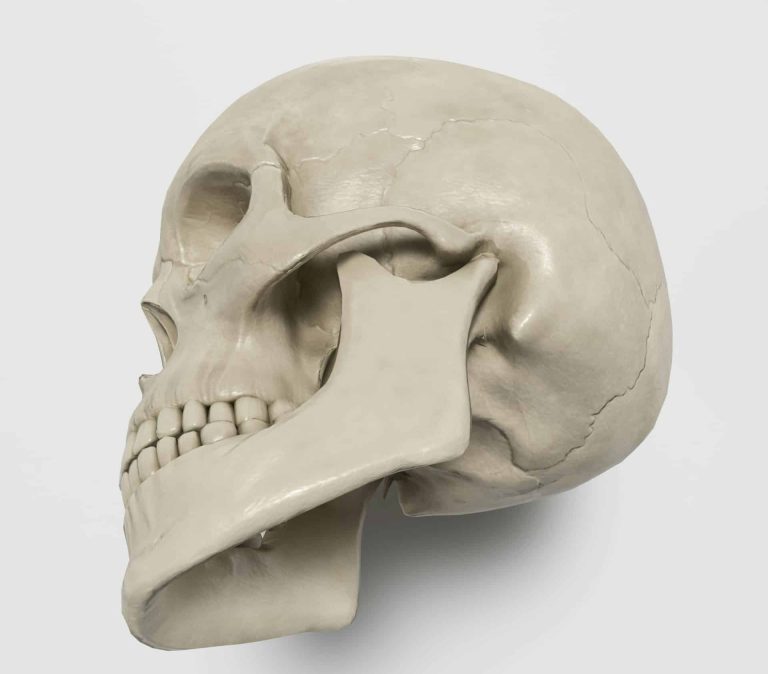
L'mouth opening is the ability to open our mouths fluidly and painlessly. This gesture, which we make hundreds of times a day to speak, eat or yawn, depends on the correct functioning of the temporomandibular joints (TMJ)and overall postural balance.
When the opening of the mouth is limited or painful, this can have an impact on quality of life: difficulty eating, embarrassment when speaking, complicated dental treatment, facial pain, etc. cervicals. Understanding its role and knowing what to do in the event of a restriction is essential.
What is the normal mouth opening?
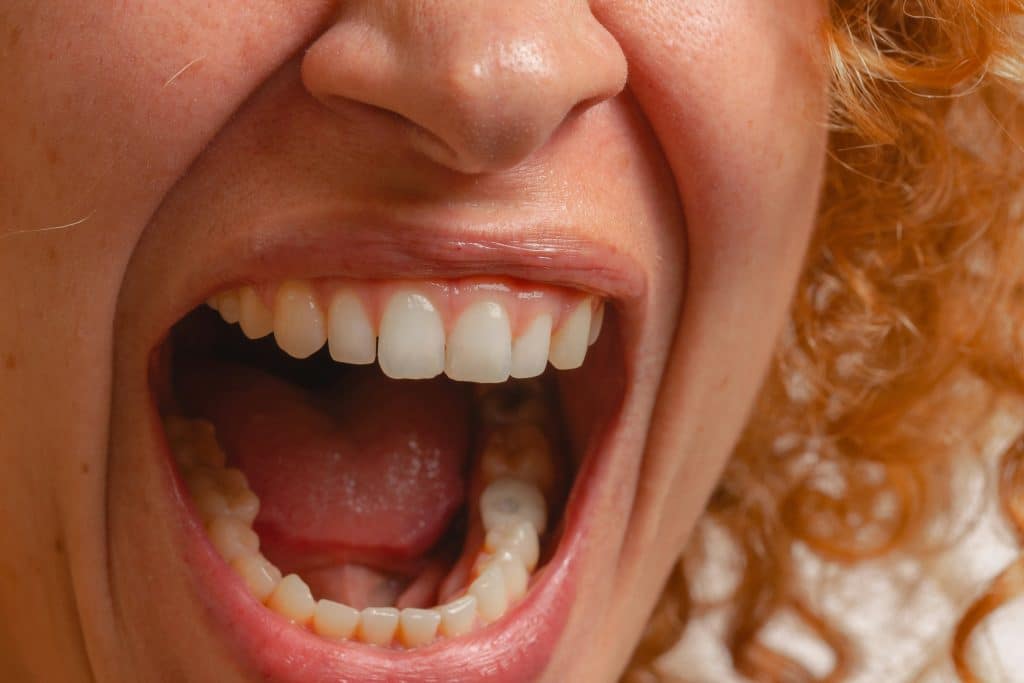
In adults, the normal mouth opening is generally between 40 and 55 mm (about three finger widths between the upper and lower incisors).
Below 35 mm, we often talk about mouth opening limitationsometimes called trismus when it is marked.
It is important to note that amplitude varies according to age, morphology and medical context. It's not just the measurement that counts, but also the quality of the movement and the absence of pain.
What causes limited mouth opening?
A reduced mouth opening can have several causes:
TMJ disorders
Dysfunction of the temporomandibular joints can cause blockage, pain, clicking or deviation on opening.
Muscle tension
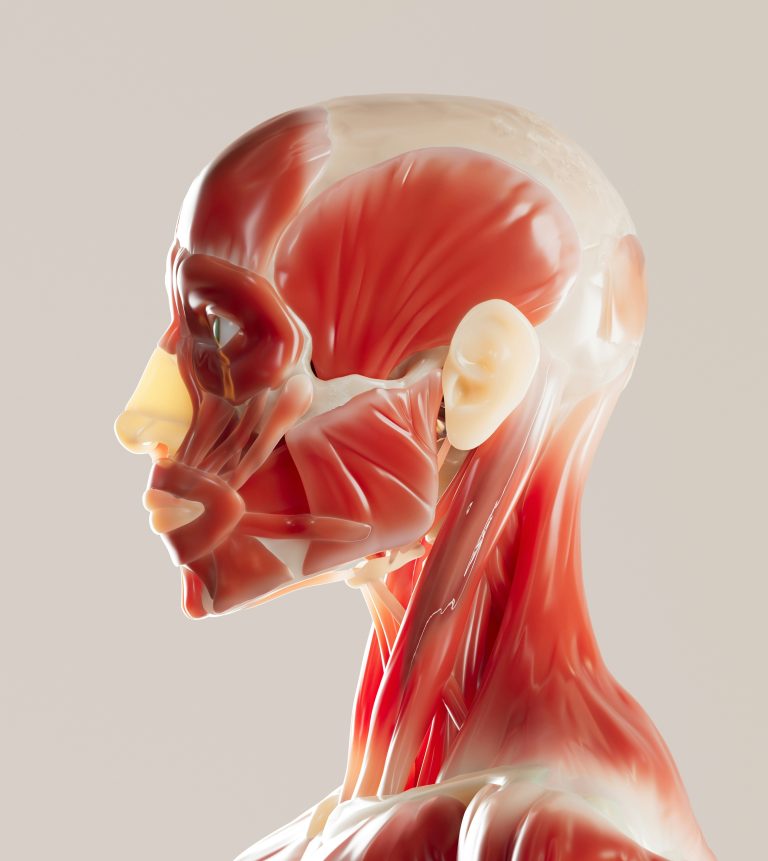
The masticatory muscles (masseter, temporal, pterygoid) can be contracted in the event of stress, bruxism (clenching of the teeth) or overload.
Surgical intervention
After a maxillo-facial surgeryIn some cases, such as in the case of a tooth or ENT problem, transient stiffness is common without appropriate rehabilitation.
Trauma
A shock to the jaw can mechanically limit the amplitude.
Inflammation or infection
Certain inflammatory diseases or infectious can cause temporary trismus.
Identifying the cause is essential if the right treatment is to be put in place.
What are the associated symptoms?
A limitation of mouth opening may be accompanied by :
- jaw pain
- cracking or popping of joints
- mouth deviation on opening
- headaches
- neck pain
- muscle fatigue when chewing
These signs should not be ignored, especially if they persist.

Why is it important to treat a limited mouth opening?
Prolonged restriction can lead to :
- a lasting loss of mobility
- an adaptation postural (tension in the neck and back)
- an overload on the other side of the jaw
- chronic pain
The earlier the treatment, the faster and more complete the recovery.
How can I improve my mouth opening?
Treatment depends on the origin of the disorder, but several approaches are effective.
Maxillofacial physiotherapy
Le physiotherapist spécialisé travaille sur :
- gentle mobilisation of the TMJ
- muscle stretching
- coordination of opening movements
- progressive amplitude exercises
Exercises at home
Specific exercises can be suggested to gradually improve the opening, always without forcing or causing excessive pain.
Stress management
Stress plays a major role in mandibular tension. Breathing techniques and relaxation can help reduce involuntary contractions.
Postural work
Cervical posture has a direct influence on the position of the jaw. Postural correction can improve opening amplitude.

Mouth opening and quality of movement
It's not just a question of opening your mouth wide, it's also a question of opening your heart wide. symmetrical, fluid and painless. A good mouth opening is based on :
- joint coordination
- muscular balance
- cervical stability
- functional breathing
Re-education therefore aims to work on the whole, not just on a local level.
When should you consult?
It is recommended to visit if :
- the opening is less than three fingers
- the pain persists for more than a few days
- a blockage appears
- headaches or neck pain set in
A check-up enables a precise assessment to be made of the amplitude and quality of movement and the associated factors.
Conclusion
Mouth opening is a key indicator of the health of the jaw and temporomandibular joints. A limitation is never trivial and warrants appropriate assessment.
With early, personalised treatment, it is possible to restore a comfortable, functional and long-lasting opening. The jaw is part of an overall balance: taking care of it means preserving the entire musculoskeletal system.