
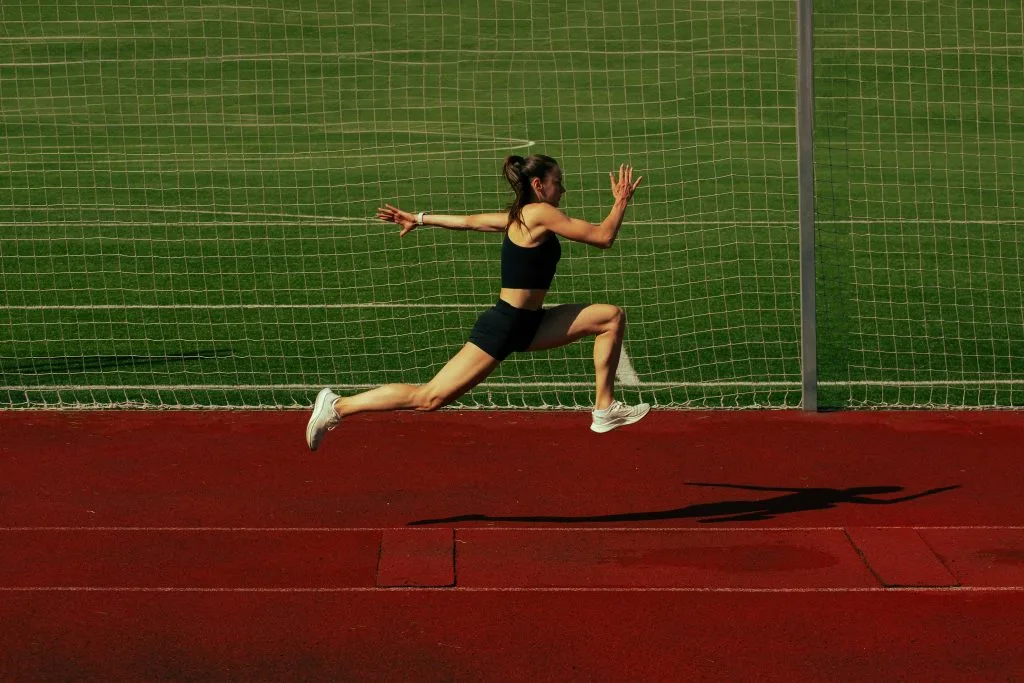
Groin pain during sport: is it pubalgia?
Groin pain is not always pubalgia. Prepare a useful history for a sports physiotherapy assessment and learn when another medical opinion is important.
Pain around the groin can interrupt running, kicking and changes of direction. It is tempting to call it “pubalgia”, but the location alone does not establish the cause. Pain may involve muscles, tendons, the hip or another condition that needs medical assessment. Start by recording what you feel and what has changed, rather than trying to label it yourself.
When should you seek help sooner?
Arrange prompt medical advice if pain is severe, you cannot walk comfortably, there is a new lump in the groin, or you have symptoms that are not clearly linked to training. A painful lump with vomiting or worsening abdominal pain needs urgent assessment. If you have pelvic or urinary symptoms, fever or pain that seems different from a sports injury, do not assume a physiotherapy problem. The NHS guidance on hernias and pelvic pain describe important alternative causes.
What should you record before the appointment?
Write down when it began, whether it followed a specific movement or built up gradually, and where you feel it. Note what happens with walking, stairs, coughing, sprinting, kicking, cutting and the next day after training. Record recent changes in training volume, playing surface or competition schedule, along with previous groin or hip problems. Bring any medical advice or imaging report you already have; a scan is not a prerequisite for telling a clinician what is wrong.
What can a physiotherapy assessment clarify?
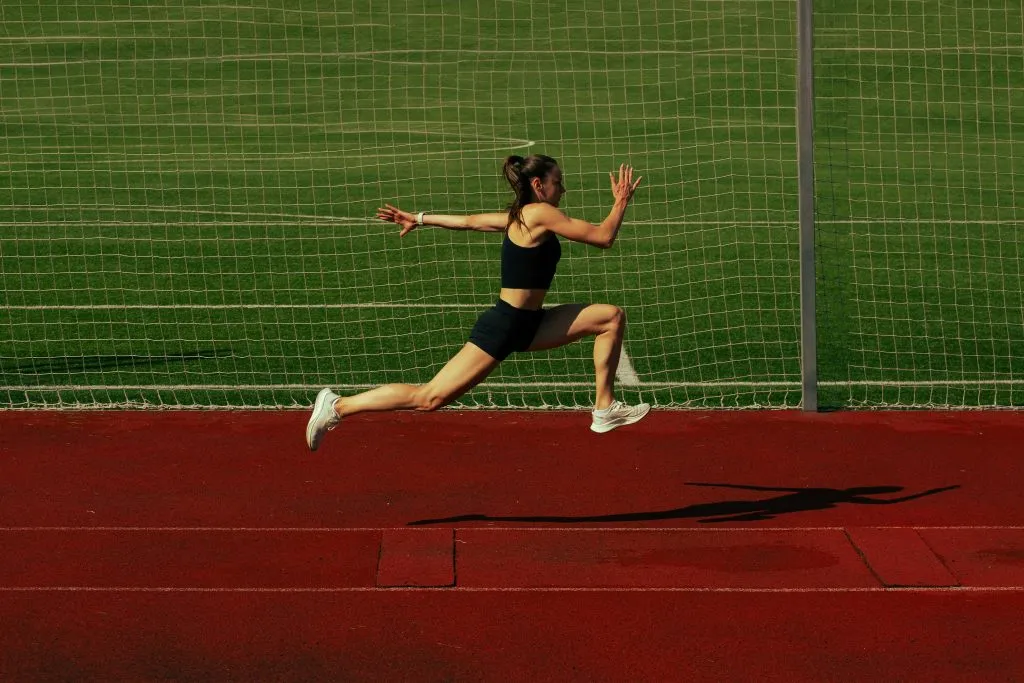
A clinician can ask about the pattern of pain, examine movements and compare your current capacity with the demands of your sport. If the findings point outside physiotherapy, medical assessment may be the next step. When rehabilitation is appropriate, the plan can be adapted to the structures involved, your sport and your response to activity. There is no single “pubalgia exercise” or return-to-play date that suits everyone.
A sports physiotherapist such as Ysaline Colpaert can discuss a running-related goal. Zoé Debaize also works in general and sports physiotherapy. These are examples within the sports physiotherapy team, not an assignment of groin pain to one practitioner.
Questions that make the next step clearer
- Which possible causes fit my history and examination, and what remains uncertain?
- Which activities can I continue, and which should I adapt for now?
- What would justify medical review or a scan?
- What movements will matter before returning to my usual training or match play?
The NHS Berkshire guide to groin strain describes a possible muscle-related pattern, but it is not a way to diagnose every groin complaint remotely. A good consultation should leave you with a clearer working explanation and a plan you can adjust if symptoms change.
Sources
- NHS, “Hernia” and “Pelvic pain”: alternative causes and warning signs.
- Berkshire Healthcare NHS Foundation Trust, “Groin strain”: one musculoskeletal presentation of groin pain.
Updated .