Le narrow lumbar canalalso known as lumbar stenosisThe condition known as "spina bifida" is a common cause of lower back and leg pain, particularly in adults over the age of 50. This condition can make walking difficult, cause radiating pain or give a feeling of weakness in the legs.
Although the diagnosis can be worrying, it is important to know that there are many solutions available to improve mobility and reduce symptoms. Understanding what a narrow lumbar canal is and how it manifests itself can help to guide treatment.
What is a narrow lumbar canal?
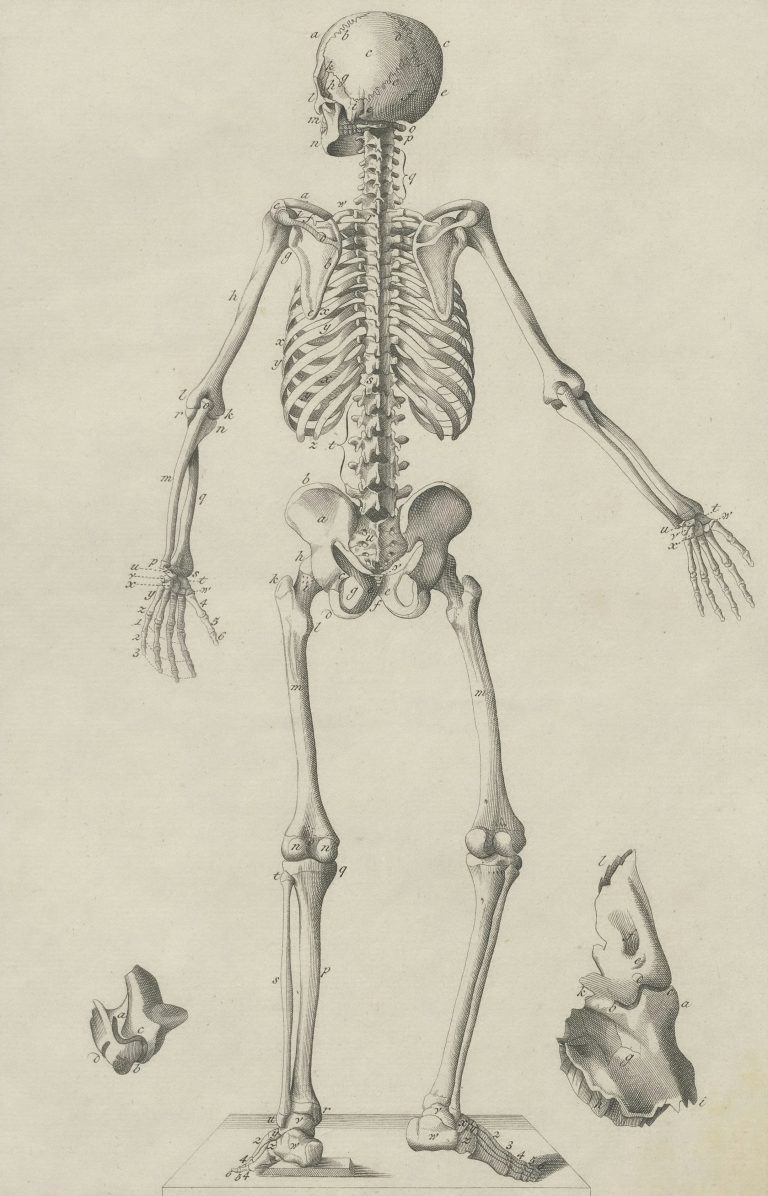
Le lumbar canal is a space in the centre of the spinal column. It contains the spinal cord and the nerve roots that run down to the legs.
We are talking about narrow lumbar canal when this space narrows and exerts pressure on the nerves. This compression can cause pain, tingling or a feeling of tiredness in the legs.
This narrowing can be linked to a number of factors, including the natural wear and tear of the spine with age.

What causes a narrow lumbar canal?
In the majority of cases, lumbar spinal stenosis is linked to the ageing of the spine. The structures surrounding the canal may gradually thicken or deform.
The most common causes include
- osteoarthritis lumbar vertebrae
- thickening of the ligaments of the spine
- a bulging or herniated disc
- vertebral slippage (spondylolisthesis)
- certain rarer congenital malformations
These changes gradually reduce the space available for the nerves.
What are the symptoms of a narrow lumbar canal?
Symptoms often appear gradually. The most characteristic sign is pain in the legs when walkingsometimes called "neurogenic claudication".
Patients frequently describe :
- pain in the lower abdomen back
- pain or burning in the legs
- tingling or numbness
- a feeling of heavy or weak legs
- difficulty walking for long periods
A typical feature is an improvement in symptoms when the person leans forward slightly or sits up.

How is the diagnosis made?
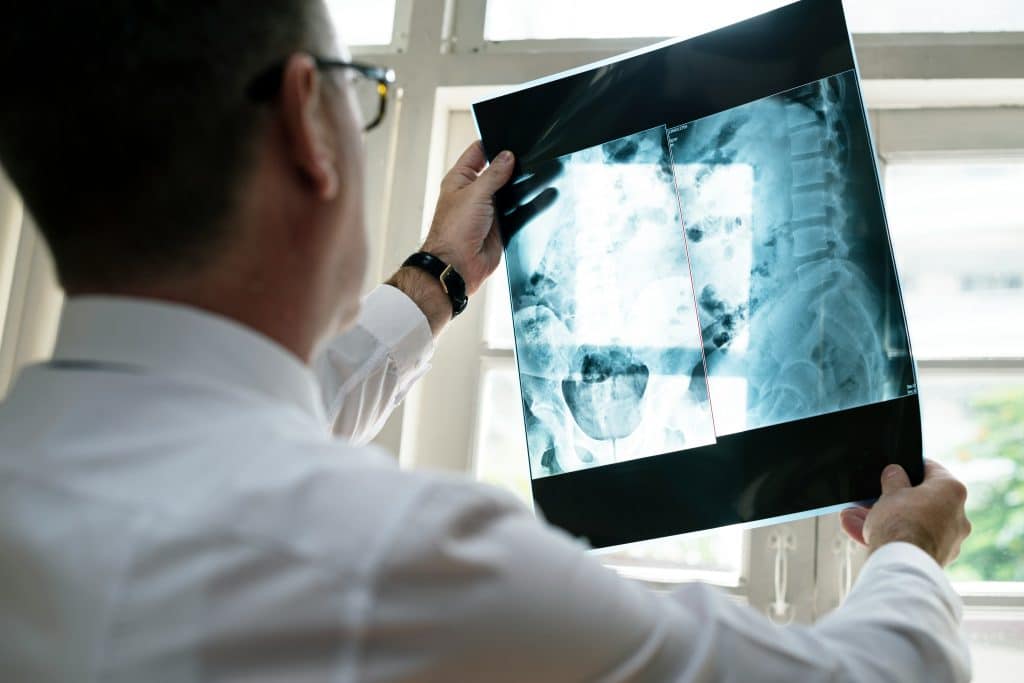
Diagnosis is based on a clinical examination carried out by a doctor, often supplemented by imaging tests such as :
- a lumbar MRI
- a CT scan of the spine
- sometimes X-rays
These tests enable the narrowing of the canal to be visualised and the structures responsible for nerve compression to be identified.
When should I seek medical advice?
It is advisable to consult a healthcare professional when :
- pain in the legs when walking
- walking distance gradually decreases
- numbness or tingling appears
- the pain becomes persistent
Early treatment can often prevent symptoms from worsening.
What solutions are there for treating a narrow lumbar canal?
In the majority of cases, treatment begins with a number of approaches non-surgical.
Physiotherapy
La physiotherapy is often the first-line treatment. It allows :
- improve spinal mobility
- strengthen back and abdominal muscles
- optimise posture
- reduce muscular tension
Specific exercises can also help to increase walking tolerance.
Adapted physical activity
Contrary to popular belief, movement is essential. Activities such as gentle walking, cycling or swimming help to maintain mobility and circulation.
Muscular strengthening of the trunk also plays an important role in stabilising the spine.
Osteopathy
L'osteopathy can be used to improve the overall mobility of the pelvis, lumbar spine and surrounding structures. By working on mechanical tension, it can help to reduce the stress on the nerves.
Medical treatments
In some cases, the doctor may suggest :
- anti-inflammatories
- seepage
- or appropriate pain relief
These treatments aim to reduce the inflammation around the nerves.
La surgery (in more severe cases)
When symptoms become very disabling and do not respond to conservative treatments, surgery may be considered to widen the lumbar canal.
However, the majority of patients can improve their symptoms with non-surgical treatments.
Is it possible to prevent the aggravation of a narrow lumbar canal?
Even if the ageing of the spine is natural, certain habits can help to limit the symptoms:
- maintain regular physical activity
- strengthen core muscles
- improve everyday posture
- avoid a sedentary lifestyle
- managing weight and general inflammation
With early treatment and appropriate follow-up, good mobility can often be maintained for many years.
Narrow lumbar spinal canal: a frequent but manageable diagnosis
A narrow lumbar canal is a common condition, but it does not necessarily mean a permanent loss of mobility. With appropriate careWith regular physical activity and support from healthcare professionals, it is often possible to reduce pain and improve quality of life.
Understand your body, stay active and visit when symptoms appear remain the best means of preserving the health of the spine.